
.png)


.png)

.png)


Blog
Does a Guest House Increase Home Value?
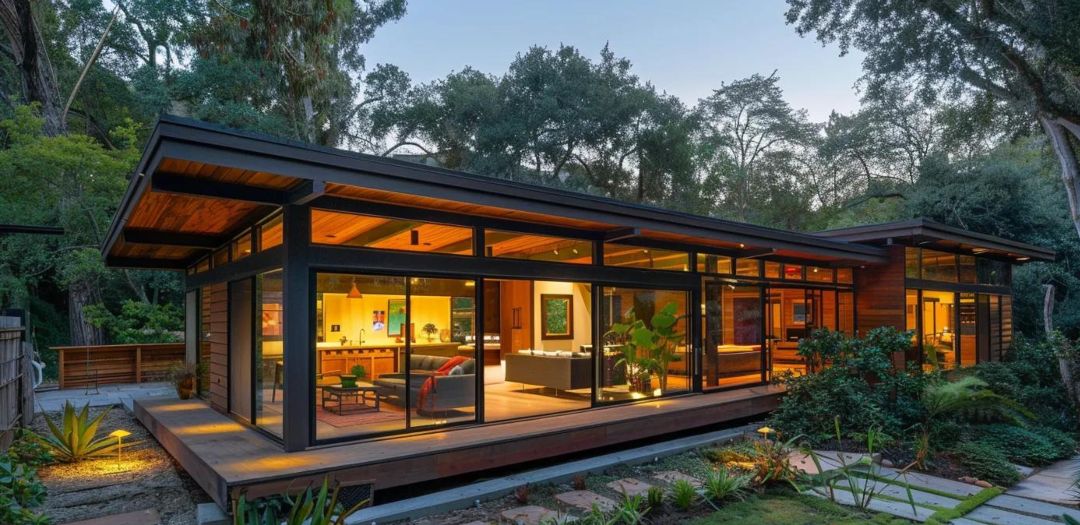
Yes, a guest house does increase home value in most cases. Properties with guest houses typically sell for 20% to 35% more than homes without them. The extra living space, rental income potential, and flexibility make these additions very appealing to buyers.
But here's the catch not all guest houses add the same value. The return you get depends on factors like permits, design quality, and how well the space fits your property. This article breaks down what makes a guest house a smart investment and what could actually hurt your home's worth.
How Much Value Does a Guest House Add?
Guest house value depends on design, permits, and market trends. Appraisers look at more than size. They check how well the unit blends with the main home. If it has a kitchen, bath, and private access, it scores higher. Location also shapes ROI. In fast-growing cities, a small guest house might bring more value than a large one in rural areas. High-rent zones boost numbers even more.
The ROI Numbers You Need to Know
Most guest houses deliver a 60% to 70% return on investment. That means if you spend $100,000 building a guest house, your home's value could go up by $60,000 to $70,000 at sale time. Some areas see even better returns.
A 2025 study by the Federal Housing Finance Agency found something interesting. Properties with accessory dwelling units appreciated 22% more than properties without them over a 10-year period. The same study showed that about 3% of home appraisals now include an ADU
Attached vs. Detached: Which Adds More Value?
The type of guest house you build affects your home's appraisal differently.
Attached guest houses add directly to your main home's square footage. Appraisers treat this extra space like any other part of your house. If your area sells homes at $300 per square foot, a 500-square-foot attached suite could add around $150,000 to your value.
Detached guest houses work differently. They show up as a "line item adjustment" on appraisals, typically adding $15,000 to $30,000 to your asking price. However, detached units often command higher rental income and offer more privacy features that attract certain buyers.
For homeowners in South Florida looking to add square footage, a home addition contractor can help determine which option makes more sense for your property and goals.
Why Buyers Pay More for Homes with Guest Houses
The demand for homes with guest houses has grown substantially. Several factors drive this trend.
Multigenerational Living Is Booming
Family living arrangements have changed dramatically. According to the National Association of Realtors, 17% of all home purchases in 2024 were made with multigenerational living in mind the highest share ever recorded.
Why the surge? About 18% of Americans now live in multigenerational households, up from just 7% in 1971. The Pew Research Center reports that nearly 60 million people live in homes with three or more generations.
A guest house solves a real problem for these families. Aging parents get their independence while staying close. Adult children can save money without feeling crowded. Everyone wins.
Rental Income Potential
Smart buyers see guest houses as income-producing assets. A properly designed guest house can generate $1,500 to $4,000 monthly in rental income, depending on your location and the unit's size.
This income potential does two things for your property's value. First, it attracts buyers who want to offset their mortgage costs. Second, banks may offer better loan terms when properties can generate rental income they see less risk.
The average U.S. Airbnb host earned $14,000 in supplemental income in 2023. For homeowners in popular vacation destinations or cities with housing shortages, those numbers can go much higher.
Work-From-Home Flexibility
Remote work isn't going away. Many buyers now specifically search for homes with separate workspace options. A guest house can double as a home office, art studio, or personal retreat.
This flexibility has real value. Buyers appreciate having space that can change with their needs over time.
What Type of Guest House Should You Build?
The style and size of your guest house matters more than you might think. Bigger isn't always better.
Size Sweet Spot: 500 to 1,000 Square Feet
Smaller guest houses often deliver better returns than larger ones. Why? Buyers look at the practical side. A 600-square-foot guest house means lower maintenance, lower utility costs, and easier management.
For guest houses and in-law suites, the goal should be creating a complete living space with all the essentials without going overboard on size.
Essential Features That Add Value
Certain features make your guest house more attractive to future buyers:
A private entrance tops the list. Both the main house residents and guest house occupants want their own space. Separate access makes the unit feel like a true home, not just an add-on.
A functional kitchenette or full kitchen adds significant appeal. It allows the space to work for long-term guests, rental tenants, or family members who value their independence.
A full bathroom is non-negotiable. Shared bathroom arrangements limit how the space can be used and reduce its value.
Climate control matters too. In warm climates like Miami, proper HVAC systems make the space livable year-round. Homes with quality spa bathroom remodels in their guest houses command even higher premiums.
Materials and Quality Level
Here's something counterintuitive: luxury finishes don't always produce the best ROI. Basic, durable materials often give you better returns because they cost less upfront and require fewer repairs.
That said, your guest house should match your main home's quality level. A high-end guest house on a modest property looks out of place. A bare-bones unit on a luxury estate drags down the whole property's appeal.
How Much Does Building a Guest House Cost?

Understanding the full cost helps you calculate your real return. Prices vary widely based on location, size, and construction type.
Cost Per Square Foot Breakdown
Most homeowners pay between $110 and $250 per square foot to build a guest house. Here's how different options compare:
Custom-built structures run $100 to $500 per square foot. You get exactly what you want, but you pay for it.
Modular or prefab units cost $80 to $160 per square foot installed. They go up faster and often cost less, but offer fewer customization options.
Conversions turning an existing garage, shed, or basement into living space range from $20 to $200 per square foot. This approach often costs the least since you're working with an existing structure.
Total Project Costs
For a 600-square-foot guest house, expect total costs between $62,000 and $225,000. The national average sits around $85,000.
These costs include basic construction but don't always cover:
- Permit fees ($600 to $3,000)
- Foundation work ($3,000 to $10,000+)
- Utility connections ($5,000 to $15,000)
- Interior finishes and appliances (varies widely)
- General contractor fees (15% to 25% of project cost)
Working with an experienced design-build custom homes team can help you avoid costly surprises and keep your project on budget.
What Can Hurt Your Guest House's Value?
Not every guest house adds value. Some actually make your home harder to sell. Avoid these common mistakes.
Unpermitted Construction
This is the biggest value killer. A guest house built without proper permits creates serious problems at sale time.
Buyers will discover the issue during inspection. Their bank may refuse to finance the purchase. You might have to tear down the structure or pay for expensive retrofits.
Always get proper permits. Yes, it costs more upfront. But unpermitted structures can reduce your property value instead of increasing it.
Poor Placement and Privacy
Location on your lot matters. A guest house placed too close to the main home makes both spaces feel cramped. Buyers worry about noise, lack of privacy, and awkward sight lines.
The ideal setup gives both structures their own space. Strategic landscaping, fencing, and separate entrances help create that feeling of independence.
Building Code Violations
Guest houses must meet current building codes for safety, electrical systems, plumbing, and structural elements. Violations show up on inspections and scare off buyers.
Before building, understand your local requirements. Miami-Dade County has specific regulations for ADUs that differ from other areas. A qualified contractor who knows local codes is essential.
Mismatched Design
Your guest house should look like it belongs on your property. An ultra-modern casita behind a classic Mediterranean home looks jarring. A rustic cabin behind a sleek contemporary house sends mixed signals.
The whole home renovation approach considers how all elements of your property work together visually.
How Guest Houses Compare to Other Investments
Should you build a guest house or put your money elsewhere? Here's how the returns stack up.
Guest House vs. Other Home Improvements
Garage door replacement leads all home improvements with a 194% ROI according to the 2024 Cost vs. Value Report. Steel entry doors follow at 188%.
A guest house's 60-70% ROI looks lower, but there's a catch. Those smaller projects might add $5,000 or $10,000 in value. A guest house can add $50,000 or more a much bigger impact on your overall property value.
Plus, a guest house generates income while you own it. A new garage door doesn't pay you rent.
Guest House vs. Pool
Swimming pools typically return only about 7% of their cost at sale time. A $50,000 pool might add $3,500 to your home's value.
Guest houses win this comparison easily. They cost similar amounts but return 8 to 10 times more value.
Florida-Specific Considerations
Building a guest house in South Florida comes with unique opportunities and challenges.
Hurricane Resistance Requirements
Florida building codes require structures to withstand high winds. Guest houses must meet the same standards as your main residence. This adds to construction costs but also adds value buyers know the structure is safe.
Homes with home hardening and resiliency upgrades command premium prices in Florida's real estate market.
Zoning Rules in Miami-Dade
Miami-Dade County allows accessory dwelling units on most residential properties, but rules vary by neighborhood. Height limits, setback requirements, and lot coverage maximums all affect what you can build.
Some areas restrict short-term rentals. Before planning a guest house for Airbnb income, check your local regulations.
Climate Control Is Essential
In South Florida's heat and humidity, a guest house without proper HVAC is nearly unusable for half the year. Buyers expect climate control as a basic feature.
Good insulation, impact windows, and efficient AC systems make your guest house comfortable and keep utility costs reasonable.
Who Benefits Most From Building a Guest House?
Guest houses make more sense for some homeowners than others. Consider your specific situation.
Best Candidates for a Guest House
Homeowners with large lots have the most flexibility. More space means better placement options and fewer zoning headaches.
Families with aging parents or adult children benefit immediately from the extra living space. The investment serves their current needs while building future value.
Homeowners in high-rental markets can offset construction costs through rental income. In popular tourist areas or cities with housing shortages, this income can be substantial.
Families who plan to stay in their home for five years or more give the investment time to pay off. Guest houses aren't quick flips they're long-term value builders.
When a Guest House May Not Make Sense
Small lots often can't accommodate guest houses without sacrificing yard space or violating setback requirements.
Restrictive HOAs may prohibit or severely limit ADUs. Check your covenants before planning.
If you're selling soon, you probably won't recoup your investment. Construction takes time, and buyers may not value the new structure as highly as you do.
In markets where guest houses are uncommon, appraisers may struggle to value yours fairly. The boost you expect may not materialize.
Making Your Guest House a Smart Investment

Follow these principles to maximize your return.
Start With Proper Planning
Before breaking ground, answer these questions:
What will the space be used for family, guests, or rental income? This shapes every design decision.
How will utilities connect to the guest house? Running new electrical, plumbing, and sewer lines adds significant cost.
What are your local zoning requirements? Understanding rules upfront prevents costly changes later.
Working with professionals who understand functional space additions helps you avoid expensive mistakes.
Document Everything
Keep records of all permits, inspections, and construction documents. This paper trail proves your guest house was built properly and legally.
When you sell, buyers and their lenders want to see this documentation. Incomplete records raise red flags.
Consider Future Flexibility
Design your guest house to serve multiple purposes. A space that works for family now should also work as a rental later. Include features that appeal to various uses.
Universal design elements like wider doorways and accessible bathrooms make the space usable for people of all ages and abilities. These features matter more as multigenerational living continues to grow.
Final Thoughts
A guest house can be one of the smartest investments you make in your property. With typical returns of 60-70% and the potential for rental income, the numbers work for most homeowners.
The key is doing it right. Get proper permits. Choose appropriate size and materials. Work with contractors who understand local codes and market expectations. Match the design to your main home's style.
Whether you're planning for aging parents, adult children, rental income, or just more flexible living space, a well-designed guest house adds real value to your property and your life.
Ready to explore your options? Contact Cutting Edge Innovative to discuss how a guest house could work on your Miami-area property.

Previous post

