
.png)


.png)

.png)


Blog
How to Make a Home Addition Look Seamless?
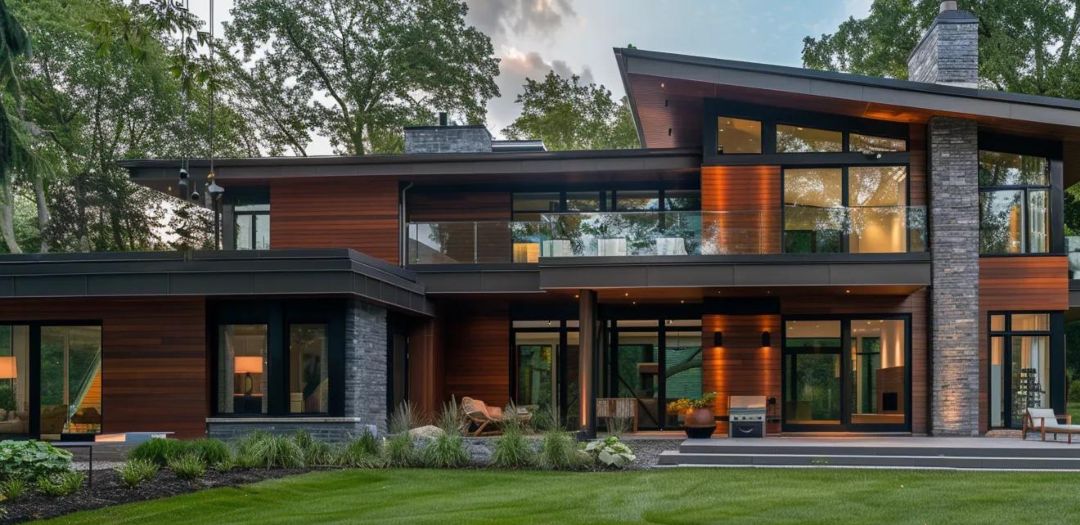
To make a home addition look seamless starts with matching the existing architecture, rooflines, and exterior materials. Using the same siding, window styles, trim details, and color palette helps the addition blend naturally. Inside, consistent flooring, ceiling heights, and finishes create a smooth transition so the new space feels original to the home.
A well-done home addition does more than give you extra square footage. It can boost your property value by 50 to 70 percent of what you spend, according to Remodeling Magazine's Cost vs. Value Report. But a poorly planned addition can stick out like a sore thumb and actually hurt your home's value. This guide walks you through every step to create an addition that blends perfectly with your existing home.
Why a Seamless Home Addition Matters
When someone drives by your house, they form an opinion in seconds. A home addition that looks tacked on can make your whole property look awkward. On the other hand, a seamless addition makes your home look bigger and more valuable.
Think about it this way. Have you ever seen a house where something just looked "off"? Maybe the roof didn't quite match, or the siding color was slightly different. That's what happens when an addition isn't planned with care. The human eye picks up on these small differences right away.
The Value Connection
A seamless home addition protects your investment. Real estate experts say that additions matching the original home sell faster and for more money. Buyers don't want to see obvious construction seams. They want a home that feels whole and complete from the start.
The National Association of Realtors reports that well-planned home additions can return 60 to 80 percent of construction costs when you sell. Mother-in-law suites and accessory dwelling units can boost home value by as much as 35 percent. These numbers only hold true when the addition looks like it belongs there.
Match Your Home's Architectural Style
The first and most important step is to study your existing home. Every house has a personality. It might be Colonial, Ranch, Mediterranean, or Contemporary. Your addition needs to speak the same design language.
Understanding Your Home's Character
Walk outside and look at your house with fresh eyes. Notice the shape of your windows, the style of your trim, and the slope of your roof. These details tell a story. Your addition should continue that story, not start a new one.
For example, if you own a Ranch-style home, your addition should have the same long, low lines. A Colonial home calls for symmetry and traditional details. If you have a modern contemporary home, your addition should feature clean lines and minimal ornamentation.
Key Architectural Elements to Match
Several features need to stay consistent between your original home and the new space:
Window styles should have the same shapes and grid patterns. Door heights need to align throughout. Ceiling heights must feel natural as you move from room to room. Trim profiles and molding details should carry through from old to new. The overall proportions of the addition should balance with the existing structure.
Get the Roofline Right
Nothing gives away a home addition faster than a mismatched roof. The roofline is one of the first things people notice when they look at a house. Getting this detail right is absolutely critical for a seamless look.
Matching Roof Pitch and Style
The pitch of your roof refers to how steep it is. Your addition's roof pitch should match the existing roof exactly. Even a small difference will create a visual disconnect that catches the eye.
The eaves also need attention. These are the parts of the roof that extend past your exterior walls. The eaves on your addition should line up perfectly with the eaves on your original house. When the eave lengths match, the roof looks like one continuous structure.
According to experts at This Old House, proper roof integration does more than improve looks. It also prevents water infiltration at connection points, which is a common problem with poorly executed additions.
Roof Integration Options
You have several choices when connecting a new roof to an existing one. Extending the existing roofline over the new space works well when you're adding to the gable end of your house. This is the side where the roof comes to a triangular point.
A gable roof on the addition, when matched to the angle of your existing roof, adds visual interest while keeping everything cohesive. Dormers can help tie together the roofs over both your house and its addition. They also bring in more natural light and create usable space in upper floors.
For second-story additions, roof pitch and eave lines become even more important. Getting these wrong will make the whole house look off-balance.
Select Matching Exterior Materials
After the roofline, exterior materials make the biggest impact on whether your addition blends in or stands out. This includes siding, brick, stone, and all the trim details that give your home its character.
The Siding Challenge
Even if you find the exact same siding as your original house, there's a catch. Sun and weather change the look of materials over time. New siding will look different from siding that's been on your house for ten or twenty years.
You have a few options to handle this. Some homeowners choose to re-side the entire house when adding on. This creates perfect consistency but adds to the project cost. Others find complementary materials that work well together without trying to match exactly.
If matching proves too difficult, consider strategic design choices. Using a complementary material as an accent can make your home addition look intentional rather than like an afterthought. James Hardie board and batten, for example, can contrast nicely with existing clapboard and add a modern touch.
Working with Brick and Stone
Brick presents special challenges because there are so many variations. Plus, time and weather change the look of original brick. If your home has brick, you have a few paths forward.
Sourcing reclaimed brick that matches your home's era can create a seamless blend. In one project, builders used reclaimed brick and custom-milled wood siding to match a 1930s Craftsman home. The result increased the home's value by 22 percent. Painting existing brick is another cost-effective option that highlights the texture while creating color unity.
Windows and Exterior Details
Windows are like the eyes of your home. Inconsistent windows immediately signal that something was added later. Your addition should feature windows that match or complement your existing ones.
Pay attention to window style, size, placement patterns, muntins or grid patterns, and hardware finishes. If exact matches aren't available because you want newer energy-efficient options, at least maintain consistent sizing and placement patterns. Updating all windows throughout the home is another solution that creates cohesion.
Create Smooth Interior Transitions
A seamless exterior is only half the story. The inside of your home needs to flow naturally from old spaces to new ones. Poor interior transitions make an addition feel like a separate building attached to your house.
Planning Natural Flow
Function and flow drive good design. Your home addition should connect logically with your daily living space. Doorways and hallways need to feel natural when moving between rooms.
Think about how people will walk through your home after the addition is complete. The path from old to new should feel obvious and comfortable. Wide doorways or archways work better than narrow passages for creating an open, natural flow.
Align your circulation so that the new living space extends your existing space rather than interrupting it. A poorly planned transition makes the addition feel separate, almost like you're entering a different house.
Flooring Transitions That Work
Flooring is one of the biggest challenges when blending old and new spaces. The goal is to create visual continuity while handling the practical reality that your existing floors have wear and age.
You have several approaches to consider. Using the same flooring throughout creates the most seamless look, but you may need to refinish all floors to get uniform color. If your existing hardwood shows signs of wear, consider replacing it throughout the home with the same material you plan to use in the addition.
Transition strips and threshold moldings help when moving between different flooring materials. T-molding works well for connecting hard surface floors of equal height. Reducer strips handle transitions between floors of slightly different heights.
For open-concept spaces, flush transitions create a clean look without raised moldings. This works best when materials are similar in height. You can also use borders of tile, wood, or stone to define spaces within an open floor plan while keeping the overall design cohesive.
Matching Interior Finishes
Beyond flooring, several other interior elements need to match or complement each other. Trim profiles should carry through from your existing home to the new space. This includes baseboards, crown molding, and door casings.
Paint colors and finishes should feel consistent. Use the same sheen and undertones for a cohesive look. Matching fixtures and hardware throughout the home ties everything together. If your existing home has brushed nickel hardware, use the same finish in the new addition.
Ceiling heights deserve special attention. Walking from an 8-foot ceiling into a 10-foot space can feel jarring. While vaulted ceilings can work in an addition, they need to transition smoothly from the main house.
Get the Foundation Right
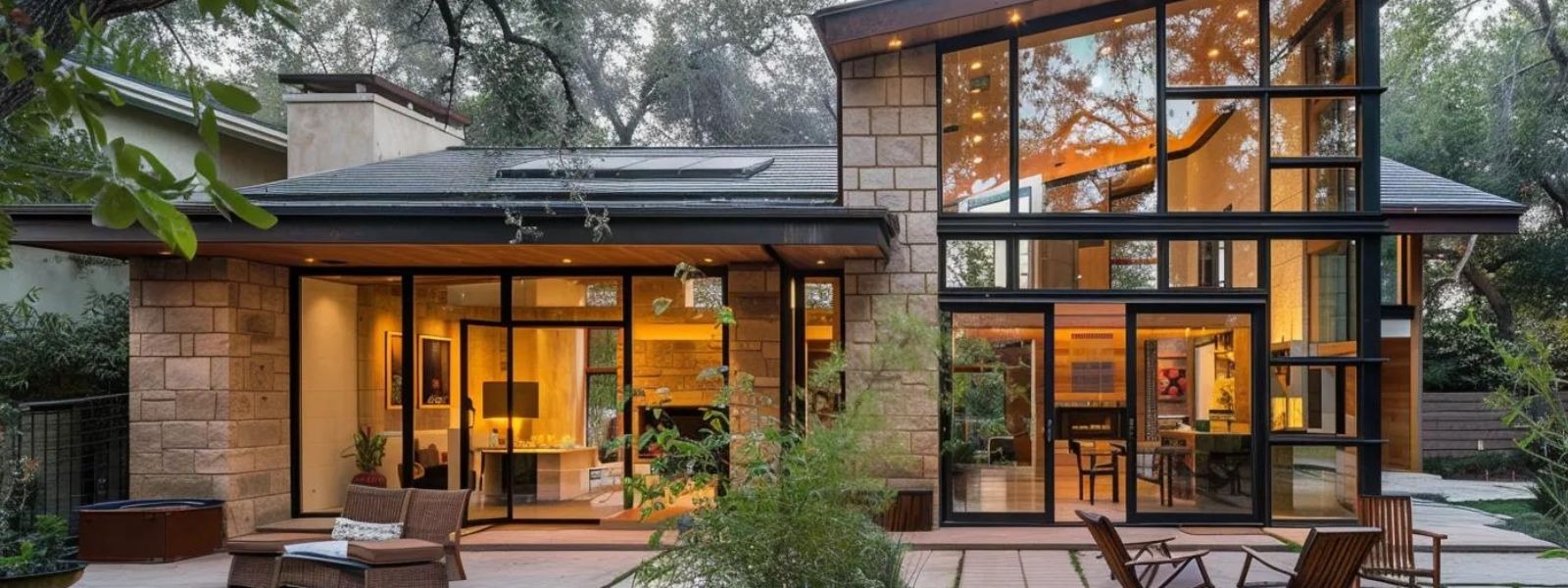
What happens below ground affects everything above it. The foundation of your addition must match your existing home's foundation in height and material. This isn't just about looks. It's about creating a level, even space that feels natural to walk through.
Avoiding the "Step Down" Problem
Have you ever been in a home where you had to step down into another room? That's usually a sign of a poorly integrated addition. The floors should tie in perfectly with your current floors.
When your contractor ties the new slab to the old one, both must be at the same height. This creates a seamless transition and prevents awkward elevation changes. In most of Florida, homes use poured concrete slabs. Getting this detail right at the start prevents problems later.
Structural Integration
Beyond the foundation, your addition needs to connect properly with existing structural elements. Plumbing, wiring, and HVAC systems must integrate without creating problems. An experienced home addition contractor knows how to handle these connections smoothly.
Cutting corners at the foundation stage can cause uneven floors and long-term structural issues. This is one area where quality matters more than cost savings.
Consider Scale and Proportion
An addition that's too large or too small compared to your original home will always look wrong. Getting the proportions right is essential for visual harmony.
Balancing Size and Shape
Think about the overall scale of your home. A large home can accommodate a larger addition. A smaller home requires a more modest expansion. Adding a two-story wing to a one-story cottage will look out of place no matter how well you match the materials.
Room sizes in your addition should make sense relative to existing spaces. For example, if you're adding a master suite, the bedroom should be comparable to or slightly larger than the existing master. A bedroom that dwarfs every other room in the house will feel strange and might hurt resale value.
Proportion Guidelines
Keep these principles in mind when planning your addition. The addition should not overwhelm the original house in size or visual weight. Window and door placements should follow proportional relationships established in your original home. Outdoor spaces and landscaping should balance the new structure.
Use Landscaping to Tie Everything Together
Your home addition doesn't exist in isolation. It sits within a larger property that includes landscaping, walkways, and outdoor living areas. Smart landscaping helps blend your addition into the overall picture.
Softening the Edges
Landscaping softens the edges of new construction. Fresh plantings around the foundation of your addition make it appear as if it has always been part of the home. The National Association of Realtors reports that well-maintained landscaping can yield up to 217 percent return on investment.
Consider how your exterior curb appeal will change after the addition. Update walkways, patios, lighting, and plantings to frame the new space. These touches create visual continuity between your home and the surrounding property.
Outdoor Design Strategy
Take your design thinking outdoors. Choose landscaping that complements your home's style. Modern homes call for clean lines and minimal plantings. Traditional homes benefit from fuller gardens with varied textures and colors.
Outdoor living spaces can serve as bridges between your addition and the rest of your property. A patio or deck that connects to the new space helps it feel grounded and intentional.
Work with Experienced Professionals
The difference between an obvious addition and one that blends perfectly often comes down to who builds it. Experience matters enormously in this type of project.
Choosing the Right Team
Look for contractors and architects who specialize in home additions. Ask to see examples of their previous work. Pay attention to how well those projects blend with the original homes. A track record of successful additions tells you the team understands what makes the difference.
Consider a design-build approach where the same company handles both design and construction. This streamlines communication and ensures the design can actually be built within your budget. Design-build contractors price things daily, so they know what things really cost.
The Value of Professional Input
An experienced architect or contractor brings fresh ideas you might never think of yourself. They can suggest design solutions that solve problems while staying true to your home's character. Creative input at the design stage can elevate your project from functional to truly special.
Professionals also know local building codes and regulations. They understand what permits you need and how to navigate the approval process. Skipping this expertise to save money often costs more in the long run through mistakes, delays, and rework.
Questions to Ask Before Hiring
When interviewing contractors or architects, ask these key questions. Have you worked on similar projects before? What is your design process? How do you handle budget management? Can you provide references from past clients? What is included in your fee structure?
The right team will welcome these questions. They should be able to show you examples of additions that look like original parts of the homes they expanded.
Common Mistakes to Avoid
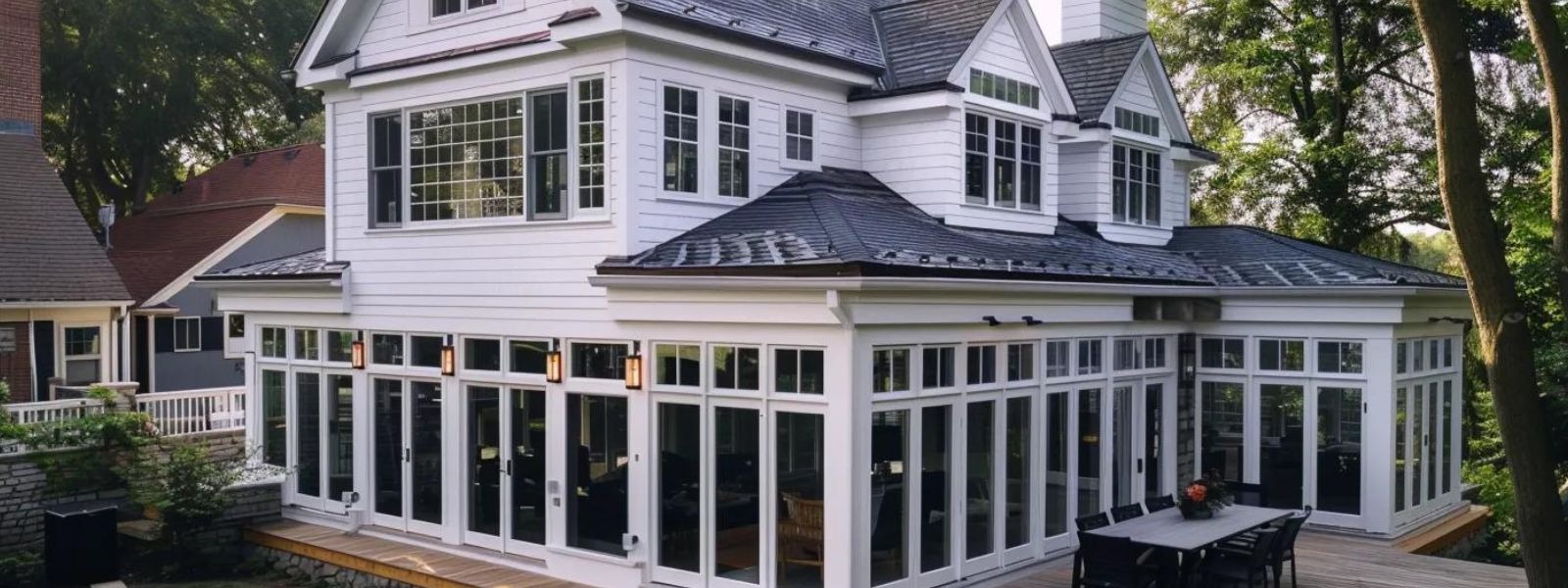
Knowing what can go wrong helps you make better decisions. Here are the pitfalls that lead to additions that stand out for the wrong reasons.
Rushing the Design Phase
Taking shortcuts in design almost always shows in the finished product. Spend adequate time in planning. Review drawings carefully. Walk through the design mentally to catch problems before construction begins. Changes are cheap on paper but expensive once building starts.
Compromising on Materials
Budget constraints tempt many homeowners to cut corners on materials. This is where compromise becomes most visible. Allocate resources for quality exterior materials even if it means scaling back elsewhere. Exterior elements create the first impression of integration.
Ignoring Small Details
Details like trim profiles, gutter colors, and light fixtures might seem minor. But these small elements add up to create either harmony or discord. Match your trim colors and styles throughout. Use gutter colors that visually unify different sections of the house.
Forgetting the Big Picture
It's easy to focus so much on the addition that you forget how it affects the whole house. Stand back and look at your home from the street. Walk through the entire house including the new space. Make sure everything works together as a complete home, not just as old house plus new section.
Frequently Asked Questions
How long does it take for a home addition to look like it was always there?
With the right planning and materials, a well-built addition can look original from day one. However, some elements like landscaping and weathering of materials will continue to blend over the first one to two years. New plantings need time to mature, and exterior materials will weather to match the existing home naturally over time.
Do I always need an architect for a home addition?
Not always, but an architect adds significant value for complex additions that change your roofline, require structural modifications, or need to blend with historic homes. For simpler additions like enclosed patios or functional space additions, an experienced design-build contractor may handle everything in-house. Check local requirements too, as some areas require architect approval for certain permits.
What is the most important element for making an addition look seamless?
Most experts agree that the roofline is the single most important element. A mismatched roof pitch or awkward roof connection will make your addition look like an afterthought no matter how well you match other details. Get the roof right first, then focus on exterior materials, windows, and interior transitions.
Can I match my addition to a home with discontinued materials?
Yes, though it requires creativity. If your exact siding or brick is no longer made, look for complementary materials that work together. Consider re-siding the whole house, using a contrasting accent material intentionally, or sourcing reclaimed materials that match your home's era. An experienced contractor can suggest solutions that create visual harmony without exact matching.
How much more does a seamless addition cost compared to a basic addition?
Making an addition seamless typically adds 10 to 20 percent to the project cost. This covers better materials, more detailed architectural planning, and careful execution of transitions and finishes. However, this investment usually pays off through higher property value and better resale appeal. A poorly integrated addition can actually decrease your home's value despite adding square footage.
Final Thoughts
Making a home addition look seamless takes careful planning, quality materials, and skilled execution. Every detail matters, from the roofline down to the interior trim. When done right, your addition will feel like it was always part of your home's original design.
The investment in proper planning and professional help pays off in both daily enjoyment and property value. A seamless addition enhances your living space without sacrificing your home's character or charm.
Ready to expand your home the right way? Contact Cutting Edge Innovative for a consultation. Our team specializes in creating additions that blend perfectly with your existing home, transforming your vision into elegant reality across Miami-Dade County.

Previous post

