
.png)


.png)

.png)


Blog
Kitchen Remodel Upgrades That Add the Most Value
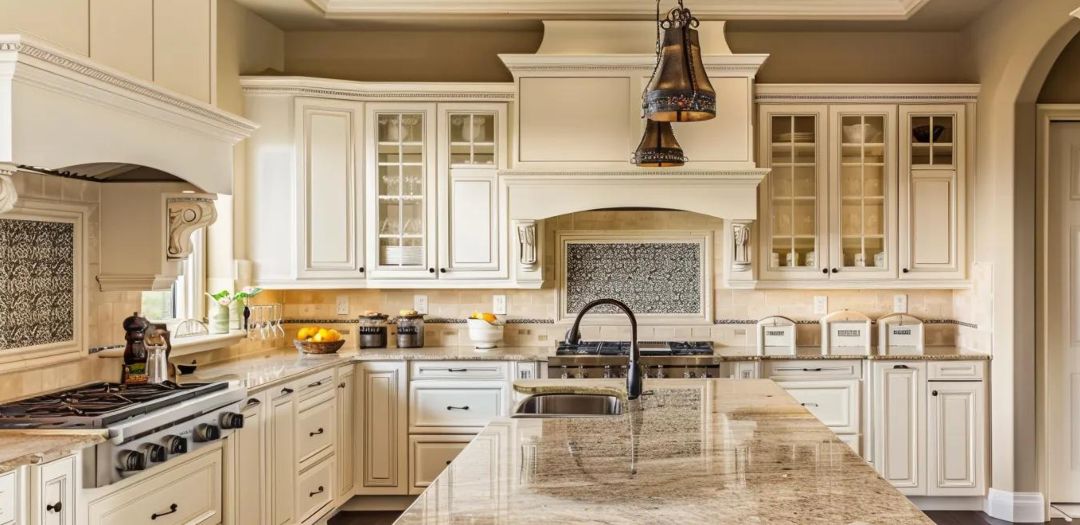
Kitchen remodel upgrades that add the most value include updating cabinets with modern doors or refacing, installing durable countertops like quartz, and upgrading to energy-efficient appliances. Improved lighting, including recessed and under-cabinet lighting, also boosts function and buyer appeal. New flooring, a fresh backsplash, and updated fixtures can make the kitchen feel newer without a full rebuild. A clean, functional layout and quality finishes typically deliver the strongest return.
Why Your Kitchen Matters So Much
Your kitchen is like the heart of your home. It's where you cook breakfast, help kids with homework, and hang out with friends. When people shop for a new home, the kitchen is one of the first places they look.
A tired, old kitchen can turn buyers away fast. But a fresh, modern kitchen makes them excited. In fact, 80% of homebuyers say the kitchen is one of the top three most important rooms.
The good news? You don't need to spend a fortune. Smart upgrades that mix good looks with useful features bring the best results. Let's look at which changes give you the most bang for your buck.
Cabinet Updates: The Biggest Bang for Your Buck
Why Cabinets Matter Most
Kitchen cabinets take up a lot of wall space. When someone walks into your kitchen, cabinets are one of the first things they see. Old, worn cabinets make the whole room look dated. Fresh, clean cabinets make everything feel new.
Cabinets can eat up 30-40% of your kitchen budget. But they also give you one of the best returns. You have three main options:
Cabinet Refacing works when your cabinet boxes are still strong. You keep the frame and just replace the doors and drawer fronts. This costs about $7,000 to $12,000 and gives you an 80-90% return on your money.
Cabinet Painting is the cheapest option. A fresh coat of paint in a neutral color makes cabinets look brand new. This costs much less and gives you almost all your money back.
New Cabinets let you change the layout and add features like soft-close doors and pull-out shelves. This costs $15,000 to $25,000 but totally transforms your kitchen.
Best Cabinet Choices for Value
Stick with simple, classic styles that most people like. Shaker cabinets work great because they fit many design styles. Choose neutral colors like white, gray, or warm beige.
White kitchens stay popular year after year. They make small kitchens look bigger and give you a clean slate to add your own style later. If you want something different, try two-tone cabinets with light uppers and darker lowers.
Don't forget the hardware. New handles and knobs cost just $50 to $200 but make a huge difference. Choose finishes like brushed nickel, black, or warm metals that match your faucets and lighting.
If you're planning a major transformation, consider a luxury kitchen remodel that includes custom cabinetry and high-end finishes.
Countertops That Work Hard and Look Great
Choosing the Right Material
Countertops are another big focus in kitchens. People chop food, set down hot pots, and lean on counters every day. The right countertop needs to be tough and pretty.
Quartz countertops are super popular right now. They don't stain easily, they come in tons of colors, and they last for decades. They cost about $3,000 to $4,500 for a typical kitchen and give you a 55-70% return.
Granite is still a classic choice. It's natural stone that adds elegance. Each slab is different, which gives your kitchen a unique look.
Butcher block works great for a warm, cozy kitchen. It's cheaper than stone and you can sand it down if it gets scratched. Just be careful around water and use cutting boards.
Laminate is the budget-friendly option. Today's laminate looks way better than the old stuff. It comes in patterns that look like stone or wood and costs much less.
What Not to Do
Skip super fancy materials like rare marble or expensive exotic stones. They cost a lot but most buyers won't pay extra for them. Also avoid very bold colors or busy patterns. Neutral colors work with any style and appeal to more people.
For bathroom upgrades that complement your kitchen remodel, consider a spa bathroom remodel to create a cohesive luxury feel throughout your home.
Smart Appliance Choices
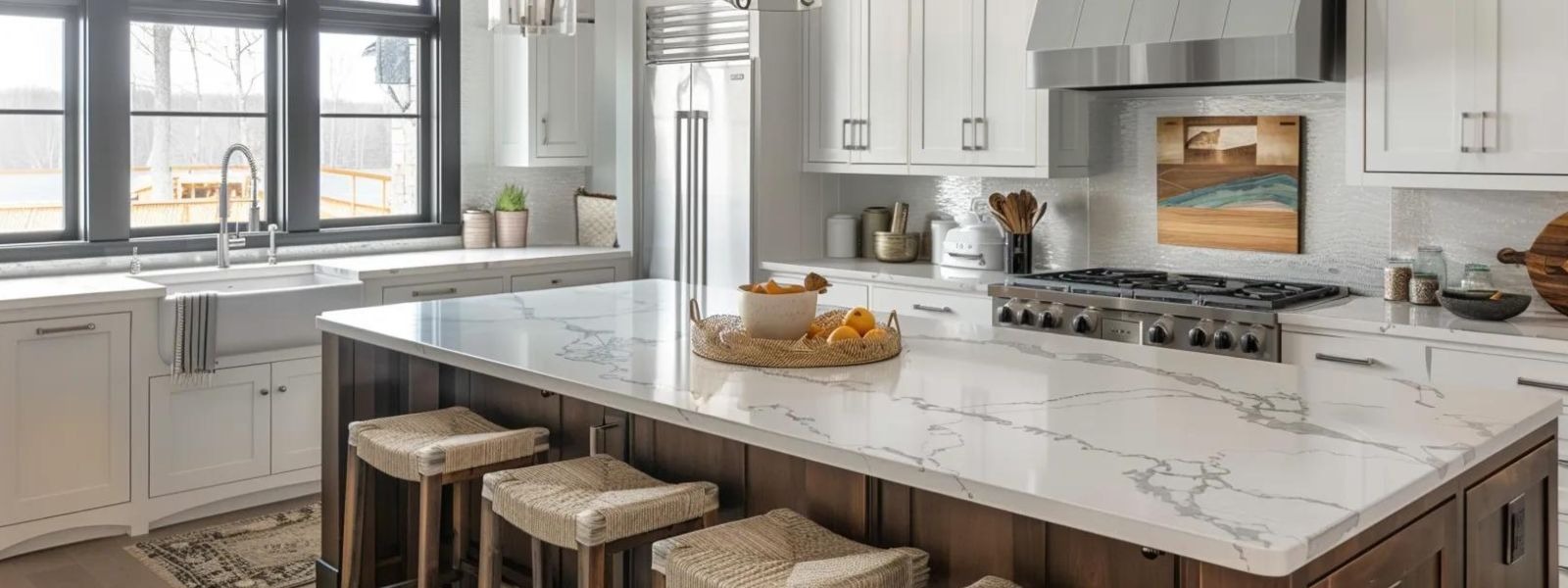
Energy-Efficient Models Win
New appliances make your kitchen look modern and work better. But which ones should you buy?
Energy-efficient appliances save money every month on electricity. They also help the planet. Look for the Energy Star label on refrigerators, dishwashers, and other appliances.
According to the Department of Energy, an old fridge uses about 35% more energy than a new Energy Star model. That means lower bills for you and a selling point for buyers.
Matching Is Key
Stainless steel appliances still look clean and modern. When all your appliances match, your kitchen looks pulled together. You don't need the fanciest brands. Mid-range appliances that look good and work well give you the best value.
Smart appliances are getting popular too. Features like remote preheating, water filter alerts, and energy tracking make life easier. Young buyers especially like these features.
What to Skip
Don't buy professional-grade appliances unless you really cook like a chef. They cost $15,000 to $30,000 for a full set but only add $4,500 to $13,500 to your home's value. Most people can't tell the difference between good regular appliances and super expensive ones.
Lighting That Changes Everything
Layer Your Lighting
Good lighting makes your kitchen safer and prettier. But many kitchens have just one overhead light. That's not enough.
The best kitchens have three types of light:
Ambient lighting is your main light source. This could be ceiling lights or recessed lights that brighten the whole room.
Task lighting helps you see what you're doing. Under-cabinet lights brighten your counters where you chop and prep food. These lights cost about $100 to $300 to add and give you an 85% return.
Accent lighting adds style. Pretty pendant lights over an island or a nice chandelier over a dining table makes your kitchen feel special.
Switch to LED
LED bulbs use 20% less energy than old bulbs. They last way longer too, so you don't have to change them often. This saves money and helps the environment.
You can swap regular bulbs for LEDs in your existing lights. Or install new LED fixtures for a modern look. Either way, buyers notice good lighting right away.
Simple Upgrades with Big Impact
Replace old fluorescent lights that make everything look yellow. Take down boring flush-mount lights and add pendant lights or a statement chandelier. These changes cost $400 to $500 on average but make your kitchen feel high-end.
Flooring That Stands the Test of Time
Best Floor Types for Kitchens
Kitchen floors need to handle spills, foot traffic, dropped pans, and daily wear. The right floor needs to be tough and easy to clean.
Luxury vinyl plank (LVP) has become super popular. It looks like wood but it's completely waterproof. It feels softer under your feet than tile and costs $2 to $6 per square foot. Best of all, it's easy to install and maintain.
Hardwood floors add serious value to homes. Real wood feels warm and can be refinished many times. It costs more ($7.50 to $24.50 per square foot) but buyers love it. Just be careful with water and wipe up spills fast.
Engineered hardwood gives you the wood look with better water resistance. It has real wood on top with a stable core underneath. This costs $4 to $12 per square foot and is trending for 2025 and beyond.
Tile is a kitchen classic. Porcelain and ceramic tiles resist water, last forever, and come in endless styles. They feel cold and hard, but they're super durable.
Flooring ROI
New floors typically give you back 50-70% of what you spend. That might not sound like a lot, but worn, damaged floors really hurt your home's value. If your current floor looks bad, replacing it is worth it.
Wide-plank floors are trending. They make kitchens look bigger and show off pretty wood grain. Matte finishes hide scuffs better than shiny ones.
Fresh Paint and Backsplash Updates
The Power of Paint
A fresh coat of paint is one of the cheapest upgrades you can make. It costs $800 to $1,200 and gives you a 70-80% return. That's amazing value.
Stick with neutral colors that work with different styles. Soft whites, warm grays, and gentle beiges make kitchens feel clean and bright. Bold colors might be fun for you, but they turn off many buyers.
Paint isn't just for walls. You can paint cabinets, trim, and even old appliances with special paint. These small changes add up to a big difference.
Backsplash That Pops
Your backsplash protects walls from food splashes. It also adds color and texture to your kitchen. A tile backsplash costs $2,800 to $6,400 and offers a 50-70% ROI.
Subway tile is a safe, timeless choice. White subway tiles work with any kitchen style. Glass tiles add sparkle and luxury. Mosaic tiles bring pattern and interest.
Keep patterns simple and classic. Complicated designs might look dated in a few years. Neutral backsplashes let buyers imagine their own style.
Kitchen Islands and Layout Improvements
Why Islands Matter
A kitchen island adds counter space, storage, and seating all at once. Islands are one of the most requested features by homebuyers. They turn your kitchen into a gathering spot where people can sit, chat, and help cook.
If you have room, adding an island gives you great value. Built-in islands work best, but even a rolling cart-style island helps. You can find portable islands for much less than building a custom one.
Better Kitchen Flow
How your kitchen is laid out affects how easy it is to use. The old "work triangle" put your stove, sink, and fridge in a triangle shape. Today's kitchens focus more on zones - a prep zone, cooking zone, and cleanup zone.
Small layout changes make a big difference. Opening up a wall to connect your kitchen with the dining room or living room creates an open concept. This is one of the most popular changes in modern homes. It costs about $3,000 on average but makes your home feel much bigger.
Make sure cabinet doors and appliance doors can open fully without hitting each other. Buyers notice these details. Leave at least 36 inches of walking space between counters and islands.
For more extensive layout changes, explore interior space transformations to reimagine your entire kitchen flow.
Smart Storage Solutions
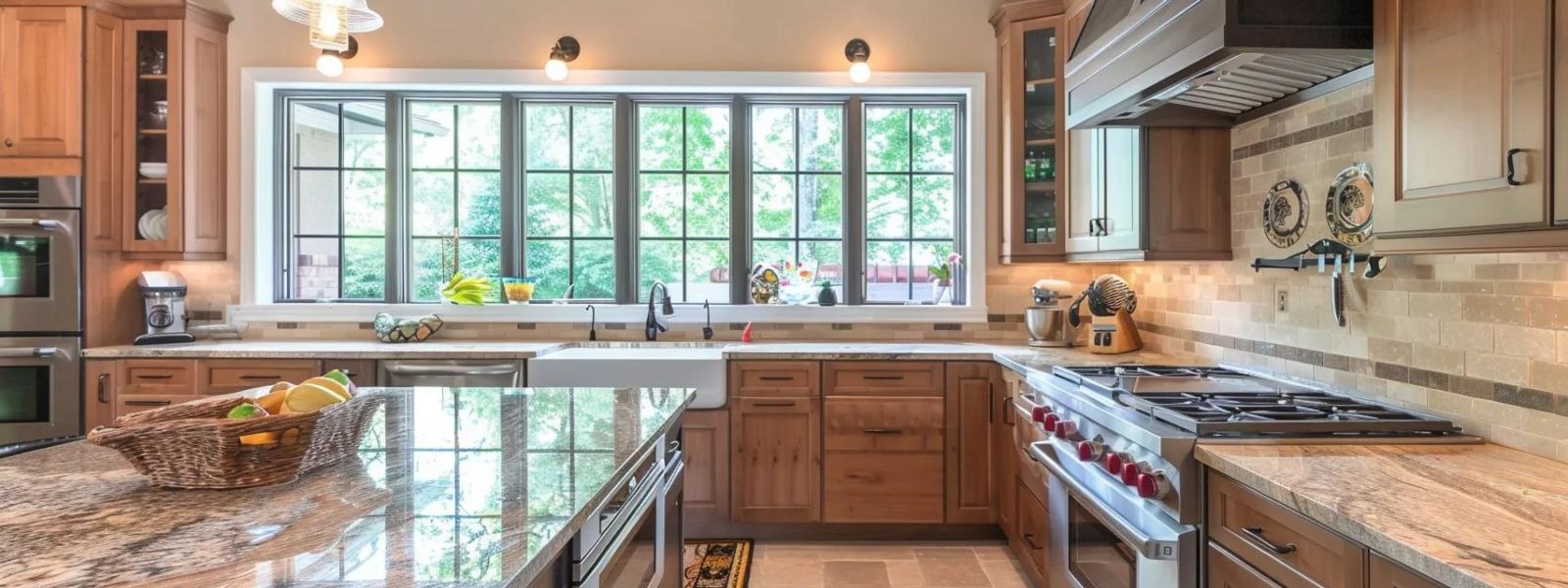
Never Enough Storage
Everyone wishes they had more kitchen storage. Smart storage upgrades make your kitchen more useful without a complete remodel.
Pull-out shelves in lower cabinets let you reach items in the back easily. No more getting on your knees to dig around.
Lazy Susans in corner cabinets use awkward spaces better. They cost less than $50 and make a big difference.
Drawer dividers keep utensils and tools organized. They're cheap to add and make drawers work better.
Pantry upgrades give you tons of extra storage. A walk-in pantry costs $750 to $3,500 to add. Even a simple pull-out pantry cabinet helps a lot.
Display and Function
Open shelving looks trendy, but be careful. A little open shelving adds character. Too much makes your kitchen look messy and takes away storage. Mix in one or two open shelves with your regular cabinets.
Glass-front cabinet doors let you show off pretty dishes. They make kitchens feel more open without losing storage.
What to Avoid
Don't Overspend for Your Neighborhood
The biggest mistake people make is spending way more than their neighbors. If homes in your area sell for $400,000, don't put in a $150,000 kitchen. You won't get your money back.
Keep your kitchen in line with other homes nearby. Tour open houses in your neighborhood to see what kitchens look like. Match or slightly beat what you see.
Skip Super Personal Choices
Custom monograms on cabinets or very bold design choices don't help when you sell. The new owners might not share your style. Stick with choices that appeal to lots of people.
That doesn't mean your kitchen has to be boring. You can add personality with dish towels, art, plants, and small decor items. These things move with you, but the kitchen stays neutral for the next owner.
Don't Ignore Function for Looks
A pretty kitchen that doesn't work well frustrates everyone. Make sure your layout makes sense. Add enough counter space for prep work. Include proper task lighting over work areas.
Safety matters too. Update old electrical systems if needed. Older homes might need 100-150 amp service to handle modern appliances. If you're considering structural changes to improve your kitchen flow, explore structural remodeling and floor plan reconfiguration options.
Planning Your Kitchen Upgrade
Start with a Budget
Figure out how much you can spend before you start. Experts suggest spending about 15% of your home's total value on a kitchen. For a $350,000 home, that's about $52,500.
Minor updates cost less and give better returns. Major remodels cost more but change everything. Think about your goals:
- Selling soon? Focus on small, high-impact changes like paint, hardware, and lighting.
- Staying awhile? You can invest more in features you'll enjoy, like better appliances or a bigger island.
Prioritize Your Projects
You probably can't do everything at once. List upgrades from most to least important. Usually the best order is:
- Fix anything broken or unsafe
- Update cabinets (paint, reface, or replace)
- Replace worn countertops
- Add good lighting
- Update appliances
- Replace bad flooring
- Paint and add backsplash
Working with a professional team can help you plan better and avoid mistakes. Companies that offer home renovation projects can guide you through the process and help prioritize upgrades that deliver the best value.
Get Multiple Quotes
Talk to at least three contractors before choosing one. Make sure they're licensed and insured. Ask to see examples of their past kitchen work. Check online reviews too.
A good contractor helps you stay on budget and avoid costly mistakes. They also know which permits you need. Don't skip permits - unpermitted work can hurt your home's value and cause problems when you sell.
What Buyers Really Want in 2025
Current Kitchen Trends
Kitchen styles change over time, but some features stay popular:
Neutral colors work for everyone. Whites, grays, and natural wood tones never go out of style.
Open layouts connect kitchens with other rooms. Families like being able to cook and watch kids at the same time.
Mix of materials adds interest. Combine wood, stone, and metal for a collected, custom look.
Sustainability matters more every year. Energy-efficient appliances, LED lighting, and eco-friendly materials appeal to modern buyers. Over 70% of homeowners care about long-term cost savings from green choices.
Tech Features Gaining Ground
Smart home features are becoming expected, not extra:
- Smart thermostats that save energy
- Motion-sensor faucets that prevent waste
- USB outlets for charging phones
- Touchless faucets for easier cleanup
These features don't cost a lot to add but make your home feel modern and updated.
Getting the Most From Your Investment
Quality Over Quantity
It's better to do a few upgrades really well than lots of upgrades poorly. Use quality materials that will last. Hire good contractors who do clean work.
Cheap materials might save money now but they wear out fast. Then you have to replace them again. That costs more in the long run.
Think About Timing
Spring and summer are the busiest times for contractors. You might get better prices and faster service in fall or winter.
If you're selling, time your remodel so the kitchen looks fresh when buyers see it. Finish at least a month before listing so everything has time to settle and you can fix any small issues.
Keep Good Records
Save all receipts and warranties for your upgrades. These papers prove the work was done right. They also help when tax time comes - some energy-efficient upgrades might qualify for tax credits.
Take before and after photos too. These pictures help when you sell because you can show buyers all the improvements you made.
Regional Considerations
ROI Varies by Location
Kitchen upgrade values change based on where you live. According to 2025 ROI data, some states give better returns:
- Maine leads with 167% ROI
- California offers 122% ROI
- Washington provides 124% ROI
- The national average is 113% ROI
Check what's popular in your local market. In warm climates like South Florida, outdoor kitchen connections might matter more. In cold areas, efficient heating matters most.
Match Your Market
Look at recent home sales in your neighborhood. What do kitchens look like in homes that sold quickly? What features do they have? Use that information to guide your choices.
Real estate agents know what buyers in your area want. Talk to a few agents before you start your remodel. They can tell you which upgrades will help most.
Final Thoughts
Kitchen upgrades add real value to your home when you choose wisely. Focus on changes that improve how your kitchen looks and works. Stick with neutral styles that appeal to lots of people. Use quality materials that last.
The best upgrades blend beauty and function. Painted cabinets with new hardware look fresh and cost less. Quartz countertops resist stains and last for decades. LED lighting brightens your space and saves energy. Good flooring handles daily wear while looking great.
You don't need to spend a fortune to make a big difference. Small, smart changes often give better returns than major remodels. Start with the upgrades that matter most in your kitchen. Fix what's broken, update what's dated, and add features that make cooking easier.
Whether you're getting ready to sell or just want a better kitchen for your family, these upgrades deliver value you can see and use every day. Make choices that work for your budget, your timeline, and your goals.
Ready to transform your kitchen? Consider working with professionals who specialize in full home remodels to ensure your project adds maximum value to your home.

Previous post

