
.png)


.png)

.png)


Blog
What Is Exterior Cladding and Which Type Is Right?
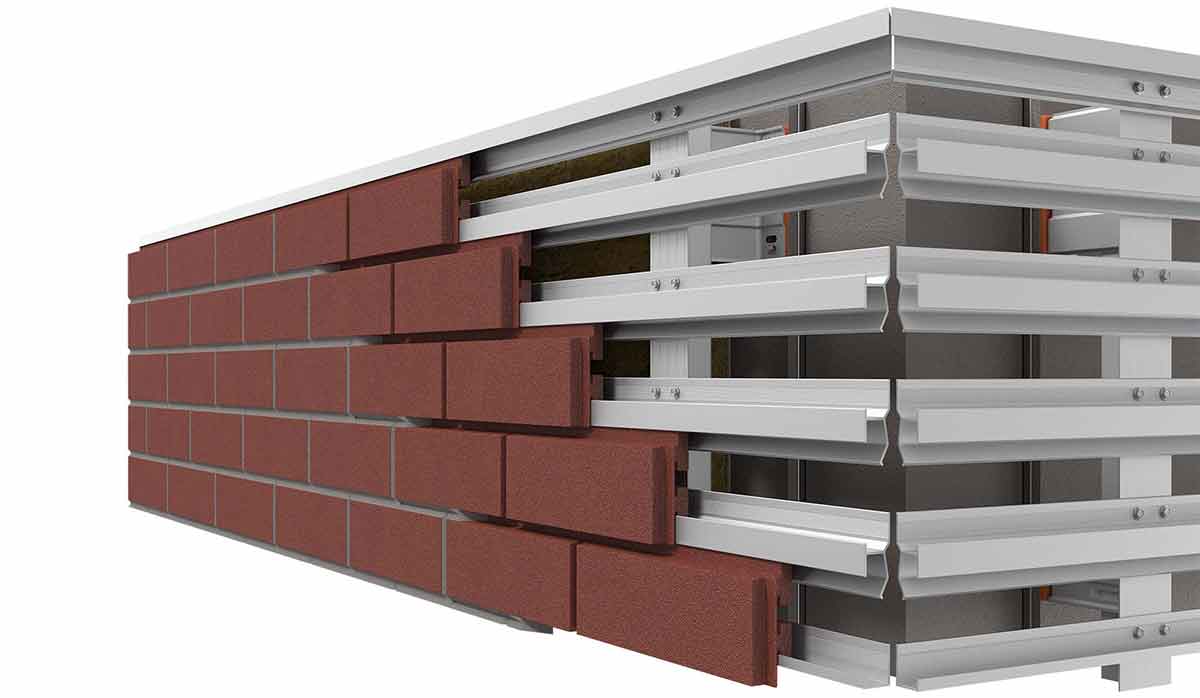
Exterior cladding is a protective layer applied to the outside of a building that shields the structure from weather, moisture, and temperature extremes while also improving its appearance. The right type of exterior cladding depends on your local climate, the architectural style of your home, your maintenance preferences, and your long-term goals for energy efficiency and curb appeal. This article breaks down the most popular cladding materials, compares their performance and lifespan, and helps homeowners in the Coral Gables and Miami area choose the best option for South Florida's tropical climate.
What Is Exterior Cladding on a House?
Exterior cladding on a house is a non-structural covering attached to the outside walls that protects the building from rain, wind, UV rays, and temperature changes. It works as the first line of defense between your home's framing and the elements. According to the U.S. Department of Energy, the building envelope, which includes cladding, controls heat transfer, air movement, and moisture flow between the inside and outside of a home.
Cladding is not the same as siding, though the two terms are often used together. Cladding refers to a multi-layered system that manages insulation, airflow, and moisture. Siding is the visible outer material. Both work together to protect your home and give it a finished look. Homeowners in Coral Gables often see cladding materials like stucco, stone veneer, and fiber cement used on local homes because they hold up well in South Florida's heat and humidity.
A report from Coherent Market Insights shows that cladding systems are expected to account for 35.7% of the global exterior wall system market in 2025, proving how widely they are used in both residential and commercial construction. Whether you are building a custom home or renovating an older property, choosing the right exterior curb appeal enhancements starts with a solid cladding system.
What Are the Different Types of Exterior Cladding?
The different types of exterior cladding include stucco, fiber cement, vinyl, wood, brick, stone, metal, and composite materials. Each one offers a different balance of cost, durability, appearance, and maintenance needs.
Is Stucco a Good Exterior Cladding for Florida Homes?
Yes, stucco is one of the best exterior cladding options for Florida homes. It is a cement-based finish made from Portland cement, sand, lime, and water. Stucco creates a seamless, weather-resistant barrier that handles intense heat, high humidity, and heavy rain. According to the U.S. Census Bureau's Survey of Construction, stucco was the principal exterior material on 33% of new single-family homes started in the South Atlantic division in 2024, where Florida is located.
Stucco also reflects sunlight, which helps keep homes cooler and reduces air conditioning costs. This matters in Coral Gables and across Miami-Dade County, where summer temperatures regularly climb above 90 degrees. Stucco can last 50 years or more with proper installation and periodic maintenance, including repainting every 5 to 10 years.
Stucco does have a weakness. Because it is porous, it can absorb water and trap moisture behind the surface if not sealed correctly. In South Florida's tropical climate, this can lead to mold, mildew, or structural damage over time. Hiring experienced contractors who follow proper moisture barrier and waterproofing techniques is critical to long-term performance.
What Are the Benefits of Fiber Cement Cladding?
The benefits of fiber cement cladding are exceptional durability, fire resistance, pest resistance, low maintenance, and the ability to mimic the look of wood, stone, or brick. Fiber cement is made from a blend of Portland cement, sand, water, and cellulose fibers. According to data from the National Association of Home Builders, fiber cement siding's share of the new home market has grown by more than 15 percentage points over the past 20 years, making it one of the fastest-growing cladding materials in the country.
Fiber cement does not rot, warp, or attract termites. It is non-combustible, which gives it a clear safety advantage over wood and vinyl. With proper installation and basic maintenance, fiber cement cladding can last 50 years or more. Many manufacturers, including James Hardie, offer warranties of 30 to 50 years on their products.
For homeowners in the Miami area looking at home renovation projects, fiber cement is a strong choice because it stands up to South Florida's hurricanes, salt air, and UV exposure without losing its color or structural integrity.
Is Vinyl the Cheapest Exterior Cladding Option?
Yes, vinyl is generally the cheapest exterior cladding option available. It is one of the most affordable materials on the market and comes in a wide variety of colors and styles. According to the U.S. Census Bureau's Survey of Construction, vinyl siding was the principal exterior material on 26% of new single-family homes started in 2024, making it the most widely used cladding material in the country.
Vinyl is easy to install and requires very little maintenance. It does not need painting, and it resists moisture and insect damage. However, vinyl has clear downsides. It can warp, crack, and become brittle under extreme heat or prolonged sun exposure. Data from the National Association of Home Builders shows that vinyl's market share has dropped by about 13 percentage points over the past 20 years, as homeowners shift to more durable alternatives like fiber cement.
For homes in Coral Gables and the greater Miami area, vinyl is not the ideal choice. South Florida's intense UV rays and heat can shorten vinyl's lifespan and cause fading, warping, and cracking. If budget is a primary concern, fiber cement or stucco will provide far better long-term value in this climate.
How Long Does Brick Cladding Last?
Brick cladding can last 100 years or more with minimal maintenance. Brick is one of the oldest and most durable building materials on the planet. It is fire-resistant, pest-proof, and provides excellent thermal insulation. According to U.S. Census Bureau data, brick or brick veneer accounted for 16% of new single-family home exteriors in 2024.
Brick does have limitations. It is heavy, which means not all structures can support it without reinforcement. It requires professional masonry for installation, which drives up labor costs. Brick also performs best in cooler climates as an insulator, so it is not the top choice for homes in hot, humid areas like Coral Gables. However, brick veneer, a thinner and lighter alternative, can add a high-end look to accent walls and entryways without the full weight of traditional brick.
What Makes Stone Cladding Different From Other Materials?
Stone cladding is different from other materials because of its unmatched natural beauty, extreme durability, and premium look. Natural stone, including granite, limestone, and slate, can last the entire lifetime of a building. It resists fire, pests, UV damage, and nearly every type of weather.
The main drawback of stone is its weight and cost. It is one of the heaviest cladding materials, and installation requires specialized masons. According to industry data reported by Allura USA, stone cladding installation can range from $10 to $40 per square foot, making it the most expensive option by a wide margin.
Stone veneer is a lighter, more affordable alternative that offers the same visual impact. Many homeowners across Miami-Dade County use stone veneer as an accent material on facades, columns, and entryways to create a luxury feel without the full cost of solid stone. A skilled team that handles new construction can integrate stone veneer into a modern design seamlessly.
Is Metal Cladding a Good Choice for Residential Homes?
Yes, metal cladding is a good choice for residential homes that want a sleek, modern look with long-lasting performance. Aluminum, zinc, steel, and copper are the most common options. Metal cladding is lightweight, fire-resistant, and highly durable. According to a report from Mordor Intelligence, metal panels held the largest single revenue share in the global cladding market in 2024 at 31%, driven by demand for non-combustible exterior materials.
Metal reflects heat, which is a benefit in hot climates like South Florida. It is also resistant to rot, pests, and moisture. Aluminum is especially popular in coastal areas like Coral Gables because it resists corrosion from salt air. The downside is that metal can dent, and certain metals like copper and zinc carry a higher price tag. However, for contemporary and modern architectural home designs in the Miami area, metal cladding is a top-tier option.
Which Material Is Best for Exterior Cladding?
The best material for exterior cladding depends on your climate, budget, home style, and how much maintenance you are willing to do. There is no single "best" material for every situation. However, fiber cement and stucco consistently rank as the top performers for most homeowners because they balance durability, appearance, cost, and low maintenance.
For South Florida, stucco remains the dominant choice due to its moisture resistance, heat reflection, and compatibility with Mediterranean and modern architectural styles. Fiber cement is the strongest runner-up because of its versatility and 50-plus-year lifespan. According to Global Growth Insights, fiber cement and composite materials are expected to make up nearly 60% of all cladding product demand worldwide by 2033.
The right answer also depends on how you plan to use different materials together. Many luxury homes in Coral Gables combine stucco with stone veneer accents, impact-rated windows, and architectural lighting to create a complete exterior transformation. A company experienced in exterior curb appeal enhancements can help you choose and combine materials for the best result.
What Cladding Is Low Maintenance?
Low maintenance cladding options include fiber cement, vinyl, metal, and composite materials. Fiber cement is the standout low maintenance choice because it does not rot, warp, or attract pests. It only needs a basic wash with water once or twice a year and repainting every 10 to 15 years. According to Today's Homeowner, properly installed fiber cement siding outlasts wood siding by two to three times while requiring far less upkeep.
Vinyl requires almost zero maintenance, no painting or sealing, but it degrades faster in high-heat, high-UV environments like Miami. Metal cladding made from aluminum is also low maintenance and resists corrosion, making it a practical option for coastal properties near Biscayne Bay and the Coral Gables waterfront.
Composite cladding, which is made from a mix of recycled wood fibers and plastic, is another low maintenance choice. It does not swell like wood, does not need painting, and only requires occasional cleaning with soap and water. Homeowners planning whole home renovations often choose low maintenance cladding to reduce ongoing upkeep costs.
Is Exterior Cladding Waterproof?
No, most exterior cladding is not fully waterproof on its own. Cladding is designed to be water-resistant, meaning it deflects most rain and moisture. However, the full cladding system relies on a weather-resistant barrier (WRB) installed behind the visible material to catch any water that gets through. This is called a "moisture-managed" system.
According to the building science research community, a properly installed cladding system includes a drainage plane that allows any water that penetrates the outer surface to flow down the barrier and exit through weep holes at the base of the wall. Materials like stucco, brick, and fiber cement all allow small amounts of water behind the surface, which is why the WRB and proper flashing are critical.
In Coral Gables and the broader Miami-Dade County area, where annual rainfall averages over 60 inches and hurricane season brings intense storms, moisture management is one of the most important parts of any cladding installation. Homeowners investing in home hardening and resiliency upgrades should pay close attention to how their cladding system handles water.
How Long Does Exterior Cladding Usually Last?
Exterior cladding usually lasts between 20 and 100-plus years depending on the material, installation quality, climate, and maintenance. Here is a general breakdown: vinyl lasts 20 to 40 years, wood lasts 15 to 40 years with regular maintenance, fiber cement lasts 50 or more years, stucco lasts 50 or more years, brick lasts 100 or more years, and stone can last the entire lifetime of the structure.
According to Allied Market Research, the global cladding market was valued at $248.3 billion in 2023 and is expected to reach $485.5 billion by 2032, growing at 7.4% per year. This growth is being driven partly by increasing demand for longer-lasting, more durable cladding systems that reduce the need for frequent replacements.
Climate plays a huge role in lifespan. Materials exposed to South Florida's intense sun, salt air, humidity, and storm-force winds wear differently than materials in cooler, drier climates. That is why choosing a material that is proven in tropical environments, and hiring installers who know Coral Gables building codes, is so important.
Does Exterior Cladding Improve Energy Efficiency?
Yes, exterior cladding improves energy efficiency by adding an insulation layer and reducing heat transfer through the walls. According to the U.S. Environmental Protection Agency's ENERGY STAR program, homeowners can save an average of 15% on heating and cooling costs by air sealing and adding proper insulation to their building envelope, which includes the cladding system.
The American Council for an Energy-Efficient Economy reports that advanced insulated cladding systems can reduce total building energy use by up to 30%. Exterior insulation and finish systems (EIFS) can cut energy use by as much as 45% and reduce air infiltration by 55%. These numbers matter in Miami-Dade County, where air conditioning accounts for a large share of monthly energy bills.
Stucco, for example, has high thermal mass, meaning it absorbs heat during the day and releases it slowly at night, helping to moderate indoor temperatures. Fiber cement paired with continuous exterior insulation creates a tight building envelope that minimizes thermal bridging. Homeowners in Coral Gables who are considering a full home remodel can significantly lower their energy bills by upgrading their cladding system at the same time.
What Cladding Should You Avoid for Exterior Walls?
The cladding you should avoid for exterior walls depends on your climate and specific needs. In general, homeowners should avoid any material that does not match their local weather conditions or that requires more maintenance than they are willing to do.
In South Florida, untreated wood cladding is a poor choice. Wood absorbs moisture, attracts termites, and requires constant painting, staining, or sealing to survive in humid conditions. According to the U.S. Census Bureau, wood siding is used on only about 6% of new homes nationally, and that number is even lower in tropical states.
Standard vinyl should also be avoided in high-heat climates. While it is cheap and easy to install, vinyl becomes brittle, warps, and fades under prolonged UV exposure. Some composite cladding products that use high-VOC adhesives should also be avoided due to potential off-gassing and reduced fire safety.
For homes in Miami-Dade County, any cladding that is not rated for hurricane-force winds and heavy moisture should be reconsidered. Local building codes are strict for good reason. Working with a contractor who is experienced in Coral Gables permit requirements helps you avoid materials that fail inspections or underperform in severe weather.
Exterior Cladding Comparison: Performance, Lifespan, and Maintenance
Cladding TypeLifespanFire ResistantMaintenance LevelBest Climate FitStucco50+ yearsYesLow to moderateHot, humid, coastalFiber Cement50+ yearsYes (non-combustible)LowAll climatesVinyl20-40 yearsNo (flammable)Very lowMild, temperateWood15-40 yearsNoHighDry, moderateBrick100+ yearsYesVery lowCool, temperateStone/Stone VeneerLifetimeYesVery lowAll climatesMetal (Aluminum)40-70 yearsYesLowAll climates, coastalComposite25-50 yearsVariesLowAll climates
Sources: U.S. Census Bureau Survey of Construction, National Association of Home Builders, James Hardie Industries, Allied Market Research, Mordor Intelligence, Today's Homeowner, Allura USA
What Does Cladding on a House Look Like?
Cladding on a house looks like the finished outer surface of the exterior walls. It can take on many different appearances depending on the material. Stucco creates a smooth or textured seamless finish. Fiber cement can look like wood lap siding, shingles, stone, or brick. Vinyl comes in horizontal lap, vertical board and batten, or shake patterns. Real brick and stone have their own natural, classic looks. Metal cladding gives a sleek, contemporary appearance with clean lines.
Many homeowners in Coral Gables choose cladding that fits the Mediterranean, modern, or tropical architectural styles common in the area. A white or cream-colored stucco finish with stone accents is one of the most popular looks across Miami-Dade County. For modern and contemporary architectural homes, flat metal panels or smooth fiber cement boards create a sharp, minimalist facade.
The visual effect of cladding also depends on how materials are combined. Mixing two or three cladding types on different sections of the house, like stucco on the main walls with stone veneer around the entry, adds depth and visual interest without looking overdone.
Can You Install Exterior Cladding Over Existing Walls?
Yes, you can install exterior cladding over existing walls in many cases, but it depends on the condition of the current surface and the type of new cladding being applied. Some systems, like EIFS and certain fiber cement panels, are designed to be applied over existing substrates as a retrofit. Metal panels and composite cladding can also be installed over existing walls with the right support structure.
Before installing new cladding over old walls, the underlying structure must be inspected for water damage, rot, mold, or structural weaknesses. Any problems must be fixed first. Otherwise, the new cladding will trap existing issues and make them worse over time.
In Coral Gables and across Miami, many older homes built in the 1950s through 1980s are candidates for cladding upgrades. Replacing or layering new materials over aging stucco or outdated finishes can dramatically improve curb appeal and energy efficiency. A team experienced in restoring older buildings can assess whether an overlay is possible or if a full removal and replacement is the better path.
How Does Exterior Cladding Hold Up in Hurricane Zones?
Exterior cladding in hurricane zones must meet strict wind-resistance and impact-resistance standards set by local building codes. In Miami-Dade County, one of the strictest code zones in the United States, all exterior materials must be rated to withstand high-velocity winds and flying debris. The Florida Building Code requires cladding systems to be tested and approved for wind uplift, water penetration, and structural attachment.
Stucco, when applied correctly with a proper three-coat system over metal lath and a solid substrate, performs well in hurricanes. Fiber cement is also a strong performer because it does not crack or shatter under impact the way vinyl can. Metal cladding has excellent wind resistance because panels are mechanically fastened to the structure.
According to the Associated Builders and Contractors, the U.S. construction industry will need an estimated 439,000 additional workers in 2025 alone, with facade installers among the most in-demand trades. This labor shortage makes it even more important to hire qualified contractors now for cladding projects. Homeowners in Coral Gables can protect their homes by combining hurricane-rated cladding with storm-proofing strategies that reinforce the entire building envelope.
Frequently Asked Questions
What Is the Best Exterior Cladding for Homes in Coral Gables?
The best exterior cladding for homes in Coral Gables is stucco, followed closely by fiber cement and stone veneer. Stucco is the most common exterior finish in South Florida because it handles heat, humidity, and coastal conditions better than most alternatives. According to the U.S. Census Bureau, stucco is the dominant siding material in the South Atlantic division. Fiber cement is a strong second choice because it resists fire, pests, and moisture while lasting 50-plus years.
Does Exterior Cladding Add Value to a Home?
Yes, exterior cladding adds value to a home by improving its appearance, durability, and energy efficiency. According to multiple real estate industry studies, exterior upgrades are among the highest-return home improvement projects. In the Miami-Dade County market, where curb appeal strongly influences buyer interest, a well-chosen cladding upgrade can help a home sell faster and at a higher price. Features like high-value home features often include exterior finish upgrades.
How Often Does Stucco Need to Be Repaired in South Florida?
Stucco in South Florida typically needs minor maintenance every 5 to 10 years, including crack repairs and repainting. Major repairs are less common if the original installation included a proper moisture barrier and weep system. The high humidity and heavy rainfall in the Coral Gables area can cause mold or mildew growth on stucco surfaces, so annual cleaning with a mild detergent and low-pressure wash is recommended.
Can I Mix Different Cladding Materials on My Home?
Yes, you can mix different cladding materials on your home, and many homeowners in Miami do. Combining stucco with stone veneer accents, or pairing fiber cement with metal panels, creates visual depth and adds architectural character. The key is to make sure the materials are compatible in terms of expansion rates, moisture management, and fastening requirements. A professional contractor can design a combination that looks intentional and performs well in South Florida's climate.
What Exterior Cladding Works Best for Waterfront Homes Near Miami?
The best exterior cladding for waterfront homes near Miami includes stucco with proper waterproofing, aluminum metal panels, and fiber cement. All three materials resist salt air corrosion and moisture damage. Aluminum is especially popular for coastal homes because it does not rust or corrode. According to research by Alcoa Corporation, newer zinc-based cladding products are up to 28% lighter than traditional metal cladding and include integrated corrosion-resistant coatings designed for coastal use. Homeowners building along the water should also explore waterfront and coastal home construction options.
Do I Need a Permit to Install Exterior Cladding in Coral Gables?
Yes, you typically need a permit to install or replace exterior cladding in Coral Gables. The City of Coral Gables has strict architectural review standards and building codes that apply to exterior modifications. Any changes to a home's facade, including new cladding, must comply with local zoning requirements and may need approval from the Board of Architects. Working with a contractor who knows Coral Gables permitting saves time and avoids costly delays.
Is Fiber Cement Better Than Stucco for South Florida?
Fiber cement and stucco are both excellent choices for South Florida, and one is not clearly better than the other. Stucco is the traditional favorite because of its seamless finish and heat-reflective properties. Fiber cement offers greater versatility in appearance and superior impact resistance. The best choice depends on your home's design, your maintenance preferences, and your budget. Many homeowners in the Coral Gables area use both materials on different parts of the home for the best of both worlds.
Final Thoughts
Exterior cladding is one of the most important decisions you will make for your home. The right material protects your investment from weather, pests, and moisture while boosting energy efficiency and curb appeal. For homeowners in Coral Gables and across Miami-Dade County, materials like stucco, fiber cement, stone veneer, and metal cladding stand out as the top performers in South Florida's demanding tropical climate. With the global cladding market growing at over 7% per year according to Grand View Research, the industry continues to produce better, more durable, and more sustainable options every year.
If you are ready to upgrade your home's exterior, the team at Cutting Edge Innovative brings the expertise to guide you from material selection through final installation. Whether you need a full facade transformation or targeted exterior curb appeal enhancements, call (786) 957-7775 or request a quote today to get started on a cladding upgrade that will protect and beautify your home for decades to come.

Previous post

