
.png)


.png)

.png)


Blog
Does an Open-Concept Layout Increase Home Value
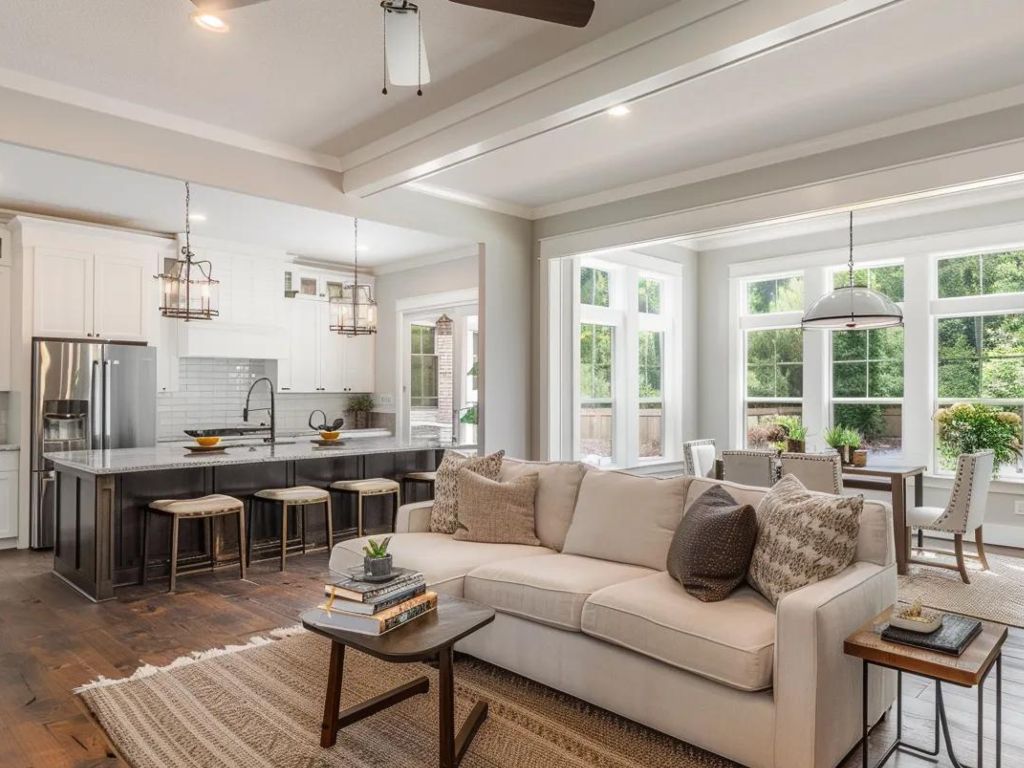
Yes, an open concept layout can increase home value by up to 15% compared to homes with traditional closed floor plans. According to Investopedia, the return on investment for a newly remodeled home with an open concept design is about 70%. However, the trend is evolving. Buyers in 2025 and 2026 are looking for a hybrid approach that blends open living areas with defined, purpose-driven spaces for privacy and remote work. This article covers the real impact of open floor plans on resale value, how much it costs to create one, the downsides to consider, and how Coral Gables homeowners can make the smartest decision for their property.
That said, the boost depends on several factors. The quality of the remodel matters. A poorly executed wall removal with visible beam supports, unfinished flooring transitions, or mismatched finishes can actually hurt value. Buyers in Coral Gables, where the median home sale price reached approximately $1.4 million in late 2025 according to Redfin, expect seamless execution with high-end materials and a cohesive design throughout.
The neighborhood context also plays a role. In areas where most comparable homes already feature open layouts, not having one puts your property at a disadvantage. Many of the older Mediterranean Revival and ranch-style homes in Coral Gables were built with compartmentalized rooms. Converting these to a modern open layout can bring them in line with buyer expectations and comparable sales in the area.
Homeowners considering this type of renovation often start with a structural remodeling and floor plan reconfiguration to determine which walls can be removed and what structural support will be needed.
How Much Does It Cost to Create an Open Concept Floor Plan?
The cost to create an open concept floor plan ranges from $1,200 to $20,000 or more, depending on whether the walls being removed are load-bearing or non-load-bearing. According to HomeAdvisor, removing a non-load-bearing wall costs between $300 and $1,000. Removing a load-bearing wall costs significantly more, with most projects falling between $1,200 and $10,000.
The biggest cost driver is the structural work required. Load-bearing walls support the weight of the roof or upper floors. Removing one requires installing a steel or engineered wood beam to transfer that weight safely to the foundation. According to Angi, the average cost for a load-bearing wall removal is approximately $5,700. Multi-story homes cost more, with projects ranging from $3,200 to $10,000 for a two-story structure.
Additional costs include permits ($500 to $2,000 in most municipalities), structural engineering fees ($350 to $800), and rerouting any plumbing, electrical, or HVAC ductwork that runs through the wall. In Miami-Dade County, permits are required for any structural modification, and Coral Gables adds its own architectural review process for exterior changes that may result from the renovation.
The total project cost also depends on the finishes. Once a wall comes down, the floor, ceiling, and surrounding walls need to match. This often means new flooring throughout the open area, fresh drywall, paint, and updated lighting. For Coral Gables homeowners pursuing a complete transformation, pairing the wall removal with a luxury kitchen remodel creates the biggest visual impact and the strongest return on investment.
Are Open Concept Homes Losing Popularity?
Open concept homes are not losing popularity entirely, but the trend is evolving. According to a 2025 report from Builder Online, the open floor plan remains popular and is unlikely to go away fully. However, more homeowners and buyers are asking for hybrid layouts that combine open living areas with defined, private spaces.
The shift began during the pandemic. With more people working from home, families needed quiet rooms for video calls, focused work, and personal retreats. An open layout that merges the kitchen, living room, and dining area into one large space does not offer the privacy that remote workers need. According to NAHB research, buyers today are placing higher value on dedicated home offices and flexible rooms that can serve multiple purposes.
Kristin Harrison, founder of Bungalow 10 Interiors, told Apartment Therapy that there is a noticeable shift away from open-concept living to more defined, purpose-driven spaces. Shaun Osher, CEO of CORE Real Estate, added that smaller, smarter spaces are becoming the norm as rising costs push developers toward efficient layouts and multifunctional rooms.
The key takeaway for homeowners in Coral Gables is that a fully open layout still appeals to many buyers, but the most valuable approach is a balanced design. Open sightlines between the kitchen and living area are still desirable, but adding a closable study, a private den, or a sliding partition system gives the home broader appeal across buyer types.
Homeowners who want to add private spaces without losing the open feel often explore functional space additions that create home offices, reading nooks, or flex rooms adjacent to the main living area.
What Are the Downsides of Open Concept?
The downsides of open concept include noise amplification, lack of privacy, higher energy costs, visible clutter, and reduced wall space for storage and artwork. These drawbacks have become more noticeable as families spend more time at home and use their living spaces for a wider variety of activities.
Noise is the most common complaint. Without walls to absorb sound, conversations, television audio, cooking noise, and children playing all blend together in one space. According to a Yahoo Lifestyle report, open spaces can be overstimulating and overwhelming because multiple activities happen simultaneously with no sound separation.
Energy efficiency is another concern. Large open spaces are harder to heat and cool efficiently. Traditional floor plans allow homeowners to zone their HVAC systems, heating or cooling only the rooms in use. An open layout forces the system to condition the entire space at once, which can increase utility costs. This is especially relevant in South Florida, where air conditioning runs for most of the year.
Privacy disappears in an open plan. Cooking messes are visible from the living room. Homework and remote work compete with family activities. There is no place to retreat without going to a bedroom. For families in Coral Gables with multiple generations living under one roof, this lack of separation can create daily frustration.
Reduced wall space limits storage options. Fewer walls means fewer places for bookshelves, console tables, cabinetry, and artwork. Homeowners who value a gallery-style display of art or photographs may find an open layout limiting.
For homeowners who want to enjoy the benefits of openness while addressing these downsides, a whole home renovation that strategically balances open and enclosed spaces delivers the best result.
Why Are More Builders Saying No to Open Concept Homes?
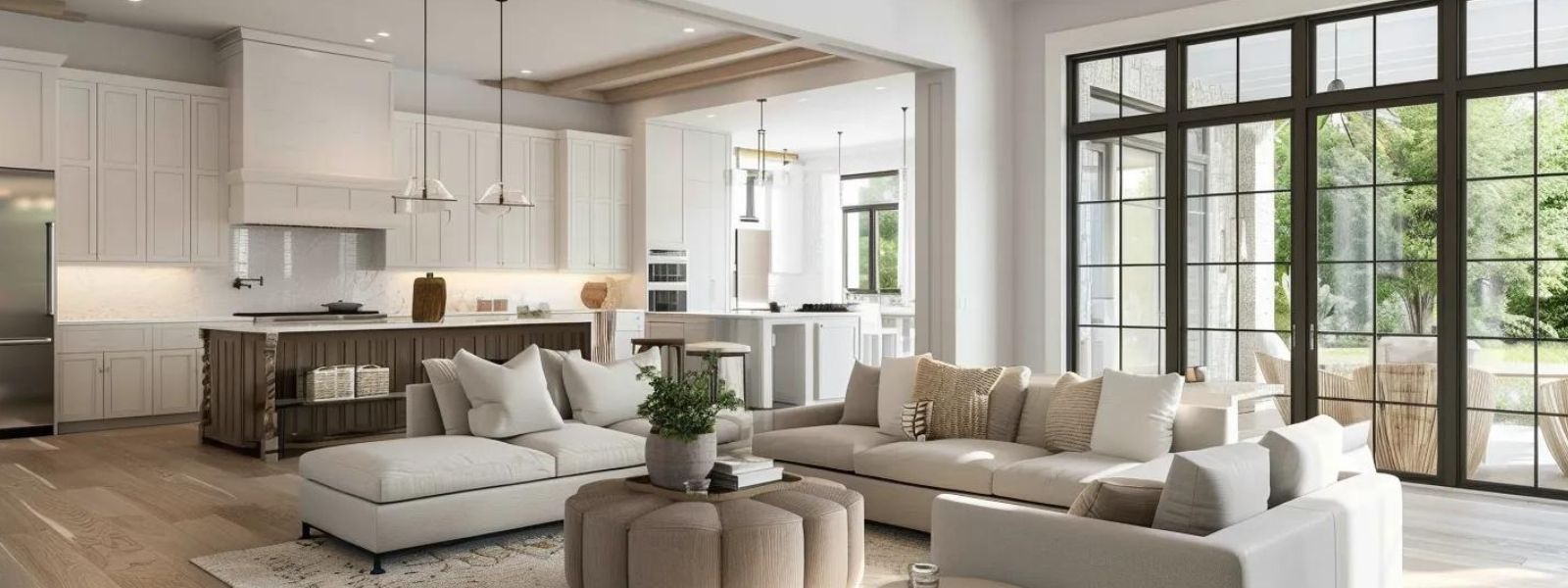
More builders are saying no to fully open concept homes because buyer demand has shifted toward flexible, hybrid layouts. According to Lee Crowder, national director of design and model experience with Taylor Morrison, the open floor plan remains popular but is no longer the only design buyers want. Families are asking for homes that offer openness and dedicated private spaces.
The NAHB 2024 edition of "What Home Buyers Really Want" found that buyers are looking for smaller, more efficient homes rather than large open expanses. The typical home buyer now wants about 2,070 square feet, down from 2,260 square feet twenty years ago according to NAHB research. That smaller footprint demands smarter use of space, which often means purpose-specific rooms rather than one giant great room.
Cost is another factor. Open concept construction requires heavier beams, steel frames, and specialized engineering to compensate for the loss of load-bearing walls. These structural requirements increase construction costs. In a market where affordability is already a concern, builders are finding that efficient layouts with some walls and doors are more cost-effective to build and more attractive to budget-conscious buyers.
Fire safety is an additional consideration that is rarely discussed. Walls slow the spread of fire and smoke through a home. In a fully open layout, a kitchen fire can reach the living area and bedrooms much faster. Firefighters have noted that open floor plans create more dangerous conditions during residential fires.
In the Coral Gables market, where many homes are valued above $1 million, the trend leans toward sophisticated hybrid designs. Buyers want open kitchens that flow into living spaces, but they also want a proper dining room for formal entertaining, a private study, and a master suite and bedroom wing addition that serves as a personal retreat away from the main living area.
Does Open Concept Increase Home Value by 15%?
Yes, open concept can increase home value by up to 15% in many markets, but that number is not guaranteed. According to RoomSketcher's analysis of real estate data, homes with open plan living areas in the UK saw value increases of up to 15%, and U.S. homes with open layouts showed stronger annual appreciation between 2011 and 2016 compared to traditionally compartmentalized properties.
The actual increase depends on several variables. The local market, the quality of the renovation, the home's original layout, and how well the open design fits the neighborhood all play a role. A professionally executed open concept remodel in a Coral Gables home that removes the wall between a cramped kitchen and a formal living room can make the space feel dramatically larger and more modern. That transformation directly impacts how buyers perceive the home's value.
According to Investopedia, the ROI on a newly remodeled open concept home is approximately 70%. That means for a project costing $15,000, the homeowner can expect to recoup about $10,500 in added resale value. When combined with other updates like new flooring, modern lighting, and updated cabinetry, the total value increase can exceed the 15% mark.
The highest returns come from combining an open layout with a kitchen upgrade. According to the 2025 Cost vs. Value Report, a minor kitchen remodel returns about 113% of its cost nationally. When that kitchen opens directly into the living and dining area, the visual impact multiplies because the entire main floor feels cohesive and expansive.
Homeowners in Pinecrest and Coconut Grove who pair an open concept conversion with interior space transformations tend to see the strongest returns because the design creates a consistent, modern aesthetic throughout the home.
What Is the 2026 Trend for Kitchens?
The 2026 trend for kitchens is a move toward defined zones within an open framework. According to Homes and Gardens, designers are predicting that the fully open kitchen is giving way to layouts that use furniture, half-walls, islands, and sliding partitions to create visual separation without closing off the space entirely.
According to NAHB research, 85% of buyers still want an open layout between the kitchen and dining area, and 79% want the kitchen connected to the family room. The difference in 2026 is that buyers also want the ability to partially close off the kitchen when needed. Pocket doors, glass partitions, and oversized islands with raised backs serve as soft barriers that maintain the open feel while hiding cooking messes from the rest of the home.
Material trends are also shifting. According to the NAHB "What Home Buyers Really Want" study, buyers are placing higher value on natural materials, personalized finishes, and quality cabinetry over generic, cookie-cutter designs. Quartz and natural stone countertops remain dominant, while warm wood tones are replacing the all-white kitchens that dominated the previous decade.
In the Coral Gables luxury market, the 2026 kitchen trend is focused on integrating indoor and outdoor living. Large sliding glass doors that open from the kitchen to an outdoor cooking and dining area are in high demand. This seamless transition is a signature feature of South Florida living and a major selling point for buyers relocating from colder climates.
Homeowners updating their kitchens in South Miami and Brickell are finding that a condo renovation with a redesigned kitchen layout delivers some of the highest ROI in the current market, especially when the kitchen flows naturally into the main living space.
How to Increase Home Value by $50,000?
The renovations that increase home value by $50,000 typically include a combination of a kitchen update, a bathroom remodel, curb appeal improvements, and either an open concept conversion or additional square footage. According to data from the 2025 Cost vs. Value Report, stacking several high-ROI projects together is the most reliable path to reaching that number.
Start with a minor kitchen remodel, which returns about 113% of its cost according to Zonda and the Journal of Light Construction. A $28,000 kitchen refresh that includes new cabinet fronts, countertops, and appliances can add over $31,000 in value. Combine that with a midrange bathroom remodel (80% ROI) and a garage door replacement (268% ROI), and the total value increase can approach or exceed $50,000.
Opening up the floor plan adds to that total. Removing a wall between the kitchen and living room, combined with new flooring and consistent finishes, can push the value up by another 7% to 15% of the home's price. In the Coral Gables market, where homes sell between $1 million and $6 million, even a modest percentage increase translates to significant dollar amounts.
For homeowners who want to go further, adding a second-story or vertical addition provides additional square footage that directly increases the appraised value of the property.
Open Concept vs. Traditional Layout: Value Comparison Table
Sources: RoomSketcher, Investopedia, NAHB "What Home Buyers Really Want" 2024, HomeAdvisor, Angi, Apartment Therapy
This comparison shows that neither layout is universally better. The most valuable approach for Coral Gables homeowners is a thoughtful blend of both, creating open living areas where family connection happens while preserving private rooms for work, study, and personal retreat.
What Should You Not Tell an Appraiser?
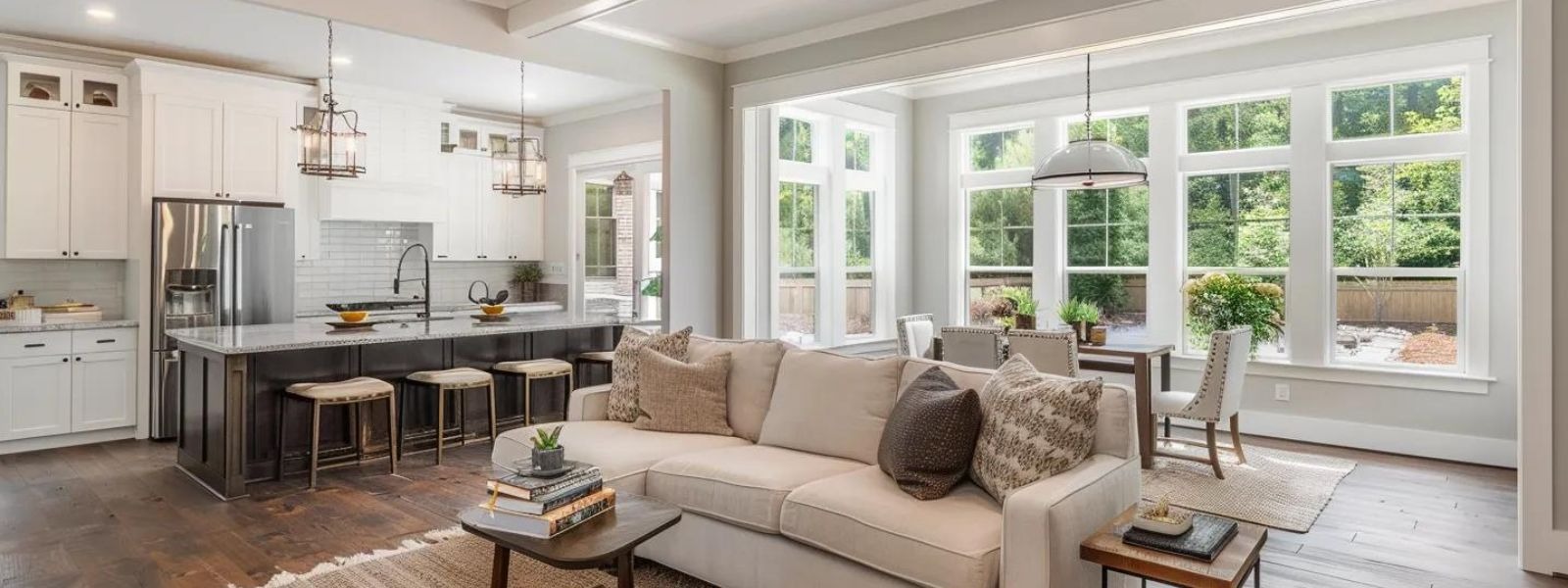
The things you should not tell an appraiser include exaggerated claims about renovations, opinions about what the home is worth, or attempts to influence their professional judgment. Appraisers are licensed professionals who follow strict guidelines set by the Uniform Standards of Professional Appraisal Practice (USPAP), and they are required to form an independent opinion of value.
What homeowners should do is provide factual documentation of improvements. If you converted a closed floor plan to an open concept, provide the permit records, contractor invoices, and before-and-after photos. If you added square footage, show the permits and building inspections. This documentation helps the appraiser accurately assess the work that was done and its impact on value.
Unpermitted renovations are a red flag for appraisers. If you removed a load-bearing wall without proper permits and inspections, the appraiser may note this as a deficiency rather than an improvement. In Coral Gables, where building codes and architectural standards are strictly enforced, unpermitted work can result in penalties and complications during the sale.
The best way to protect your investment is to work with licensed contractors who pull permits and pass inspections for every structural modification. Homeowners who want their renovation to positively impact their appraisal should work with a design-build custom home team that handles permits, engineering, and construction under one roof.
Frequently Asked Questions
Does Removing a Wall Between Kitchen and Living Room Increase Home Value in Coral Gables?
Yes, removing a wall between the kitchen and living room increases home value in Coral Gables. Buyers in the Coral Gables market, where the median home price reached approximately $1.4 million in late 2025 according to Redfin, expect modern, flowing layouts in homes at this price level. Homes with compartmentalized rooms from the 1960s through 1980s often sell for less than renovated properties with open layouts. A professionally done wall removal with proper permits, a support beam, and matching finishes throughout can add significant value while making the home more competitive against newer construction.
How Much Does It Cost to Remove a Load-Bearing Wall in South Florida?
The cost to remove a load-bearing wall in South Florida ranges from $2,000 to $20,000 depending on the size of the wall, the type of beam needed, and whether plumbing or electrical lines need to be rerouted. According to Angi, the national average is approximately $5,700. In Miami-Dade County, permitting requirements and structural engineering fees add to the total cost. A structural engineer assessment alone runs between $350 and $800, and building permits can cost $500 to $2,000. Always hire a licensed general contractor for this type of work.
Is Open Concept Still Popular With Buyers in 2026?
Open concept is still popular with buyers in 2026, but it is evolving into a hybrid approach. According to a 2025 Builder Online report, the open floor plan remains popular but buyers now want homes that balance openness with private, dedicated spaces for work and relaxation. About 79% of buyers still prefer the kitchen open to the family room according to NAHB data. The most desirable homes in 2026 offer open main living areas with the option to close off certain rooms using pocket doors, sliding partitions, or half-walls.
Can an Open Floor Plan Hurt Home Value?
Yes, an open floor plan can hurt home value if the renovation is done poorly, without permits, or if it removes features that buyers in the neighborhood expect. Over-opening a historic Coral Gables home can strip it of its architectural character. Removing too many walls in a home where buyers expect formal rooms, like a separate dining room or a private study, can reduce appeal. The key is matching the renovation to what comparable homes in the neighborhood offer and what local buyers want.
Do I Need a Permit to Remove a Wall in Miami-Dade County?
Yes, you need a permit to remove a wall in Miami-Dade County. All structural modifications require a building permit, and load-bearing wall removals require structural engineering plans approved by the county. Coral Gables has additional requirements through its Board of Architects for any changes that affect the exterior appearance of the home. Skipping permits can result in fines, forced rebuilds, and complications when selling the property. Work with a licensed contractor who handles the full permitting process to stay compliant.
What Is the Best Wall to Remove for an Open Concept Remodel?
The best wall to remove for an open concept remodel is the wall between the kitchen and the dining room or living room. This creates the classic great room layout that most buyers find desirable. According to real estate experts, homes sell for less when the kitchen is completely separated from other living spaces. Removing this one wall creates a dramatic visual transformation and improves traffic flow throughout the home. In Coral Gables, this is especially effective in older homes built before the 1990s that have small, closed-off kitchens.
Final Thoughts
An open concept layout remains one of the most effective ways to increase home value, but the smartest approach in 2025 and 2026 is a balanced design that blends open living spaces with private rooms. Data from Investopedia, RoomSketcher, and NAHB research all confirm that open layouts add value, improve buyer interest, and help homes sell faster. At the same time, the growing demand for home offices, quiet retreats, and energy efficiency means that a fully open plan with zero walls is no longer the ideal for every buyer.
For homeowners in Coral Gables, Coconut Grove, Pinecrest, Key Biscayne, and the surrounding South Florida communities, the right renovation starts with a clear plan. A professional assessment of which walls to remove, what structural support is needed, and how the new layout will flow is the first step toward a renovation that adds real value.
Cutting Edge Innovative specializes in structural remodeling and floor plan reconfiguration for luxury homes across Miami-Dade County. From load-bearing wall removal to complete interior transformations, the team handles permits, engineering, and construction to deliver a seamless result. Call (786) 957-7775 or visit the contact page to schedule a consultation and start planning your open concept renovation today.

Previous post

