
.png)


.png)

.png)


Blog
Modern vs Contemporary Home Design Differences
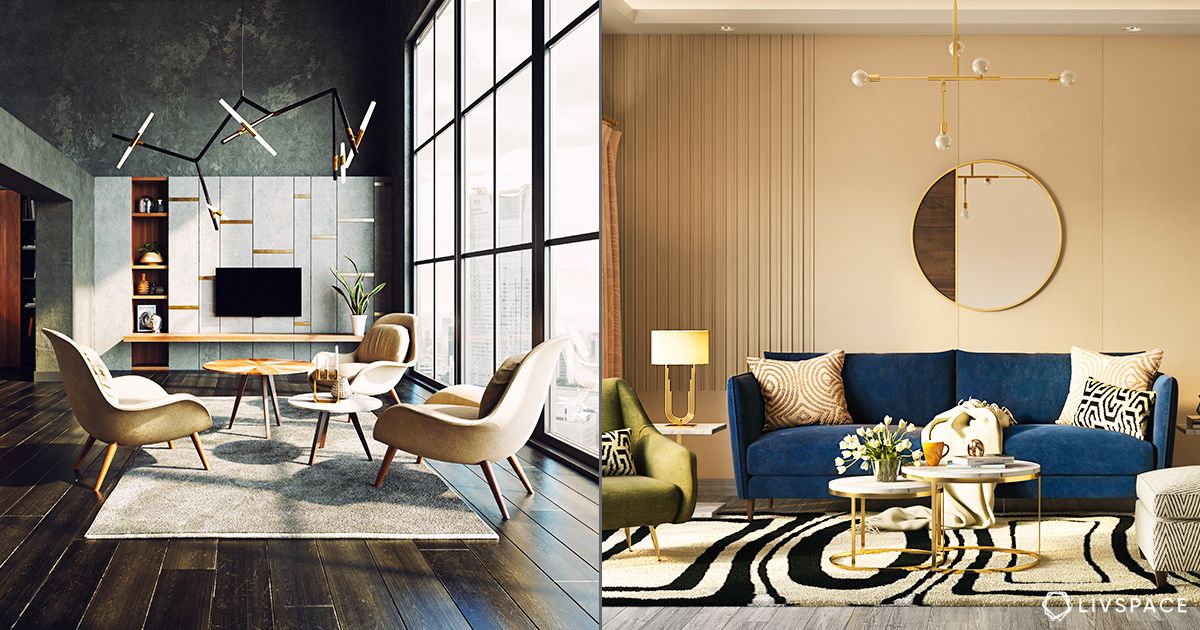
The difference between modern and contemporary home design is that modern design refers to a specific historical style from the early to mid-20th century, while contemporary design reflects the trends and ideas of the present moment. Modern homes emphasize function, natural materials, and warm earth tones influenced by the Bauhaus and Scandinavian movements. Contemporary homes are fluid, forward-thinking, and incorporate current innovations like sustainable materials, smart technology, and bold architectural forms. Both styles share clean lines, open layouts, and minimalist foundations, but they differ in materials, color palettes, and how strictly they follow a set of rules. This article breaks down the key differences, explains which style adds more value, and helps homeowners in Coral Gables and Miami-Dade County choose the right direction for their next project.
What Is the Difference Between Modern and Contemporary Home Design?
The difference between modern and contemporary home design comes down to time period and flexibility. Modern design is rooted in a specific architectural movement that began in the early 1900s and peaked in the 1950s and 1960s. It was heavily influenced by the Bauhaus school in Germany, Scandinavian minimalism, and architects like Le Corbusier, Ludwig Mies van der Rohe, and Charles and Ray Eames. The core principle is "form follows function," meaning every element in the home serves a purpose.
Contemporary design, on the other hand, is not tied to any single era. It means "of this moment" and evolves with current trends, technologies, and cultural shifts. What was considered contemporary in the 1990s looks very different from contemporary design today. According to Grand View Research, the global interior design market was valued at $137.93 billion in 2024 and is projected to reach $175.74 billion by 2030, driven largely by evolving consumer preferences and the growing demand for both modern and contemporary aesthetics.
Many homeowners in Coral Gables and throughout South Florida use these terms interchangeably, but they represent two distinct approaches. A modern home feels warm, grounded, and structured. A contemporary home feels sleek, dynamic, and open to creative expression. Both are excellent choices, but the right pick depends on your personal style, your home's architecture, and how you want your space to feel.
What Are Four Common Characteristics of Contemporary Style Homes?
Four common characteristics of contemporary style homes are asymmetrical forms, large glass panels, mixed materials, and a strong connection between indoor and outdoor living spaces. Contemporary architecture is known for breaking rules and blending different design influences into something new and fresh.
First, contemporary homes embrace irregular shapes and curved lines. Where modern homes favor strict geometric forms, contemporary designs play with angles, cantilevered structures, and flowing silhouettes. Second, glass is a dominant material. Floor-to-ceiling windows, glass walls, and skylights flood interiors with natural light and blur the line between inside and outside.
Third, contemporary homes mix materials in creative ways. Steel, concrete, reclaimed wood, glass, and polished stone often appear together in a single space. According to a 2024 survey by 1stDibs, 85% of interior designers planned to use contemporary items in current production for their projects, reflecting strong market demand for this evolving style. Fourth, indoor-outdoor flow is a defining feature. In South Florida's climate, modern and contemporary architectural homes often incorporate covered terraces, retractable walls, and outdoor kitchens that extend the living space seamlessly.
How Does Modern Architecture Differ From Contemporary in Structure?
Modern architecture differs from contemporary in structure through its strict use of geometric forms, horizontal compositions, and symmetrical layouts. Modern homes typically feature flat or low-sloped roofs, rectangular shapes, and a "boxy" appearance that prioritizes order and balance. Exposed structural elements like steel beams and concrete columns are celebrated rather than hidden.
Contemporary structures are more adventurous. They might combine sharp angles with soft curves, stack volumes at unexpected heights, or use cantilevered sections that seem to float. Where modern design follows a clear set of rules established by mid-century architects, contemporary design borrows from multiple periods and styles, including modernism itself, postmodernism, Art Deco, and even deconstructivism.
In practical terms, a modern home in Coral Gables might feature a clean, horizontal profile with a flat roof, exposed wood beams, and floor-to-ceiling glass windows. A contemporary home in the same neighborhood might have an angular roofline, mixed cladding of stucco and wood, and a dramatic double-height entry. Both can be stunning, but they communicate different design philosophies.
What Is the 3-5-7 Rule in Interior Design?
The 3-5-7 rule in interior design is a styling guideline that says you should group decorative objects in clusters of three, five, or seven items. Odd numbers create visual interest and a natural, unforced look that feels more pleasing to the eye than even-numbered groupings.
This rule applies to both modern and contemporary interiors. On a modern mantel, you might group three ceramic vases in earth tones. In a contemporary living room, you might arrange five art objects of varying heights on a console table. The principle works because odd numbers create asymmetry, which draws attention and keeps a space from feeling too rigid or staged.
Designers in the Coral Gables and Miami area often use this rule when styling shelves, coffee tables, and entryway consoles. It is one of the simplest tools for making a room feel professionally designed without overthinking the arrangement. The key is to vary the heights, textures, and shapes within each group for the most dynamic result.
What Is the Golden Rule of Interior Design?
The golden rule of interior design is the 60-30-10 color ratio. This rule says that 60% of a room should be a dominant color (usually walls and large furniture), 30% should be a secondary color (accent furniture, textiles, and rugs), and 10% should be an accent color (decorative objects, artwork, and throw pillows).
This ratio creates a balanced, cohesive look in any design style. In modern interiors, the dominant 60% might be warm beige or soft white walls, with 30% in rich wood tones and 10% in a muted accent like olive or rust. In contemporary interiors, the 60% could be crisp white or light gray, with 30% in charcoal or navy and 10% in a bold pop like emerald green or deep red.
According to a Realtor.com survey cited by interior design researchers, 60% of designers recommend neutral color palettes for resale value. This makes the 60-30-10 rule especially useful for homeowners in Coral Gables who want their home to look beautiful now and appeal to future buyers later. Homeowners planning a luxury kitchen remodel should consider this rule when selecting cabinetry, countertops, and backsplash colors.
Which Style Is Better for Resale Value?
Traditional and transitional styles tend to have the broadest resale appeal, but well-executed modern and contemporary homes perform very well in the right markets, especially in South Florida. The key factor is not the style itself but how timeless, well-maintained, and functional the design is.
According to NewHomeSource, mid-century modern homes have seen a strong resurgence in demand in markets like Los Angeles, Palm Springs, and South Florida. Contemporary homes also attract premium buyers, especially when they feature sustainable materials, smart home technology, and seamless indoor-outdoor living. However, some real estate experts caution that overly trendy contemporary designs may feel dated faster than classic modern homes.
A 2017 study found that 70% of American home buyers prefer a floor plan with an open or partially open design for the kitchen and family room areas. Homes with open floor plans appreciated by 7.4% annually between 2011 and 2016, according to real estate data. Since both modern and contemporary homes prioritize open layouts, both styles benefit from this buyer preference.
In the Coral Gables luxury market, buyers actively seek homes that combine architectural distinction with practical livability. Whether you lean modern or contemporary, the goal is a design that feels intentional, high-quality, and well-suited to the South Florida lifestyle. Many homeowners achieve this through a thoughtful whole home renovation that brings every room into a unified design vision.
What House Style Is Popular in 2025?
The most popular house styles in 2025 include contemporary farmhouse, warm minimalism, and modern organic, all of which blend clean lines with natural materials, warm tones, and a focus on comfort and sustainability. According to Pinterest trend data, searches for "vintage maximalism" rose 260% and "handpainted furniture" grew 135%, signaling a shift toward personalized, character-driven interiors.
The National Kitchen and Bath Association's 2025 trend report found that 71% of designers now prefer colorful kitchens over the all-white designs that dominated the past decade. Nature-inspired palettes of greens and blues are trending across the home. At the same time, smart home integration continues to grow, with the smart home technology market reaching $90 billion in 2024 according to MarketsandMarkets.
In South Florida, there is strong demand for homes that combine modern design principles with hurricane resilience, energy efficiency, and a connection to the outdoors. Homeowners in Coral Gables are increasingly requesting designs that feel both luxurious and livable, with high ceilings, natural stone, warm wood accents, and expansive glass that frames tropical views. This blend of modern warmth and contemporary innovation is the sweet spot for design-build custom homes in the area.
What Makes a Kitchen Look Outdated?
A kitchen looks outdated when it has honey oak cabinets, laminate countertops, fluorescent lighting, small or divided floor plans, and dated hardware or appliances from the 1990s or early 2000s. Other telltale signs include overly ornate cabinet details, dark granite countertops with busy patterns, and tile backsplashes with small, dated mosaic patterns.
Both modern and contemporary kitchens avoid these pitfalls by prioritizing clean lines, quality materials, and functional layouts. A modern kitchen might feature flat-panel walnut cabinets, a concrete countertop, and stainless steel appliances. A contemporary kitchen might use handleless white lacquer cabinets, a waterfall quartz island, and integrated smart appliances.
According to the Harvard University Joint Center for Housing Studies, remodeling spending continues to grow steadily, with kitchens and bathrooms consistently delivering the highest return on investment. In the Coral Gables market, an updated kitchen is one of the most powerful tools for increasing home value. Kitchen remodel upgrades that add the most value include new cabinetry, stone countertops, professional-grade appliances, and improved lighting.
What Is the Most Expensive Part of Redoing a Kitchen?
The most expensive part of redoing a kitchen is typically the cabinetry and hardware, which can account for 30% to 40% of the total budget. Custom cabinets, especially those used in modern and contemporary designs with specialty finishes like high-gloss lacquer or natural walnut veneer, drive costs higher than stock or semi-custom options.
After cabinetry, countertops and labor costs are the next biggest expenses. Premium materials like quartzite, marble, and porcelain slabs are popular in both modern and contemporary kitchens in the Coral Gables area. Structural changes, such as removing walls to create an open-concept layout, also add significant cost but deliver strong returns. According to Investopedia, the return on investment for a newly remodeled home with an open concept is approximately 70%.
For homeowners who want to understand the full scope of kitchen renovation expenses, the most expensive parts of a renovation follow similar patterns across kitchens and bathrooms, with custom finishes and structural work driving the bulk of costs.
What Color Makes a House Look Expensive?
The colors that make a house look expensive are soft whites, warm grays, deep navy, charcoal, black, and muted earth tones like taupe, greige, and warm beige. These colors create a sense of sophistication and allow architectural details, materials, and textures to stand out.
In modern homes, the palette leans toward warm neutrals paired with natural wood and stone. Think white walls with honey-toned oak floors and a leather accent chair. In contemporary homes, the palette often includes bolder contrasts like black-framed windows against white stucco, or dark charcoal walls with polished brass fixtures.
According to Architectural Digest reporting, 30% of consumers favored minimalist designs in 2024, and minimalist color palettes are a core part of that aesthetic. Homes that use a restrained, intentional color scheme consistently photograph better, show better, and sell faster. In Coral Gables, where Mediterranean and tropical influences shape the local aesthetic, warm whites, soft creams, and sandy tones paired with lush green landscaping create an elevated, resort-like feel that appeals to luxury buyers.
Modern vs. Contemporary Home Design: Key Differences at a Glance
Design ElementModernContemporaryTime PeriodEarly to mid-20th century (1920s-1960s)Current moment; always evolvingKey InfluencesBauhaus, Scandinavian, Mid-CenturyModernism, Postmodernism, Art Deco, current trendsLines and FormsStrong geometric shapes, horizontal, structuredFluid, asymmetrical, curves and angles mixedColor PaletteWarm earth tones, beige, brown, olive, rustNeutral base with bold contrasts; black, white, pops of colorMaterialsWood, leather, stone, chrome, concreteGlass, steel, recycled materials, polished finishes, mixed mediaRoof StyleFlat or low-slopedVaried; angular, flat, or sculpturalOverall FeelWarm, grounded, timelessSleek, dynamic, forward-thinkingSustainability FocusNatural materials; connection to natureEco-friendly materials, energy-efficient systems, smart tech
Sources: Sustainable9, Brick&Batten, Redfin, Designblendz, Grand View Research
Can You Mix Modern and Contemporary Design in One Home?
Yes, you can mix modern and contemporary design in one home, and many of the most beautiful residences do exactly that. The key is to establish a cohesive foundation, usually through a consistent color palette and material selection, and then layer in elements from each style intentionally.
For example, a home in Coral Gables might feature a modern structure with clean horizontal lines, a flat roof, and warm walnut built-ins, while incorporating contemporary touches like a sculptural light fixture, a bold accent wall, and smart home automation throughout. This approach creates depth and visual interest without feeling chaotic.
According to the 1stDibs 2025 designer survey, 62% of designers planned to shop for antiques for their clients, the highest percentage in four years, while 85% also planned to source contemporary items. This blending of eras and styles reflects a broader industry shift toward personalized, layered interiors that tell a story rather than following a single rigid style.
Homeowners who want a blended look should work with a design-build team that can carry a unified vision from the architectural shell through every interior finish. A well-planned interior space transformation can bring together elements from both styles into a home that feels collected, personal, and timeless.
What Devalues a House the Most?
The things that devalue a house the most are deferred maintenance, outdated kitchens and bathrooms, poor curb appeal, dark or choppy floor plans, and DIY renovations done without permits or professional quality. Overly personalized design choices, like bold wallpaper in every room or unusual color schemes, can also lower a home's appeal to the broader market.
According to the National Association of Realtors (NAR) 2024 Profile of Home Buyers and Sellers, neighborhood quality and the condition of the home were top priorities for buyers. Homes with visible maintenance issues, outdated systems, or awkward layouts sit on the market longer and sell for less.
In both modern and contemporary design, simplicity and quality are the safest paths to preserving value. Neutral color palettes, timeless materials like natural stone and hardwood, open floor plans, and well-maintained systems all protect and grow your investment. For Coral Gables homeowners, keeping a home updated and well-maintained is critical in a competitive luxury market. Many choose to invest in periodic renovations to stay ahead of shifting buyer expectations. Features that add the most value to a home consistently include updated kitchens, modern bathrooms, and a cohesive design throughout.
How To Increase Home Value by $50,000?
You can increase home value by $50,000 or more by focusing on the highest-impact upgrades: a kitchen remodel, a bathroom renovation, an open floor plan conversion, improved curb appeal, and smart home technology integration. The Harvard University Joint Center for Housing Studies reports that remodeling spending continues to grow, with homeowners investing more in quality updates that deliver strong returns.
A mid-range kitchen remodel typically recovers 70% to 85% of its cost at resale, according to industry data. Replacing vinyl siding recovers about 97% of costs according to the 2025 Cost vs. Value Report. Adding or upgrading an outdoor living area is especially valuable in South Florida, where year-round outdoor entertaining is a major lifestyle draw.
In the Coral Gables market, where median home values are high, a well-executed renovation can add far more than $50,000. The key is working with a builder who can align every upgrade with what local buyers want. Homeowners planning significant improvements should explore how a luxury home renovation in Coral Gables delivers both immediate enjoyment and long-term financial returns.
Frequently Asked Questions
Is Modern or Contemporary Design Better for a Home in Coral Gables?
Neither modern nor contemporary design is objectively better for a home in Coral Gables. Both styles work beautifully in the South Florida climate. Modern design pairs well with the area's mid-century homes and lush landscapes, while contemporary design suits new construction and homeowners who want cutting-edge architecture. The best choice depends on your personal taste, your home's existing structure, and how you want the space to function.
What Is the 3 4 5 Rule in Interior Design?
The 3 4 5 rule in interior design refers to a method for creating right angles during layout and construction. It is based on the Pythagorean theorem: if one side of a triangle measures 3 feet, the second side measures 4 feet, and the hypotenuse measures 5 feet, the angle between the two shorter sides is a perfect 90 degrees. Contractors and designers in Miami-Dade County use this rule when squaring rooms, laying tile, and aligning cabinetry.
What Are the Four Types of Interior Design?
The four main types of interior design are residential, commercial, hospitality, and institutional. Residential design focuses on homes and living spaces. Commercial design covers offices and retail. Hospitality design serves hotels and restaurants. Institutional design includes schools and healthcare facilities. According to industry data, residential applications held 55.36% of the interior design services market share in 2024, making it the largest segment globally.
What Is Replacing the Kitchen Triangle?
The kitchen triangle is being replaced by the concept of kitchen "zones." Instead of organizing the kitchen around three fixed points (sink, stove, and refrigerator), zone-based design creates dedicated areas for prep, cooking, cleaning, and storage. This approach works better in today's larger, open-concept kitchens with multiple cooks and island layouts. Many Coral Gables homeowners request zone-based layouts during kitchen renovations to improve flow and functionality.
What Is the 2026 Trend for Kitchens?
The 2026 trend for kitchens is moving toward bold colors, natural materials, and integrated technology. All-white kitchens are fading in favor of rich greens, deep blues, warm wood tones, and two-tone cabinetry. The National Kitchen and Bath Association found that 71% of designers already prefer colorful kitchens. Fluted wood panels, unlacquered brass hardware, and concealed appliances are also gaining popularity. Smart kitchen technology, including touchless faucets and app-controlled ovens, continues to grow.
Do Buyers in South Florida Prefer Modern or Contemporary Homes?
Buyers in South Florida appreciate both modern and contemporary homes when the design is executed well. According to the National Association of Realtors, favored features in the South Florida market include modern designs with flat roofs, wood detailing, open floor plans, beautiful kitchens, and pools. The strongest demand is for homes that combine architectural distinction with practical luxury, regardless of which style label applies. Well-designed homes in Coral Gables sell faster and at higher prices across both styles.
How Do I Choose Between Modern and Contemporary for My Renovation?
You choose between modern and contemporary for your renovation by considering your home's existing architecture, your personal style preferences, and your long-term goals. If your home already has mid-century bones, such as clean lines and a horizontal profile, a modern renovation will feel natural. If you want the latest materials, smart technology, and artistic freedom, a contemporary direction gives you more flexibility. Making a list of design elements you love before meeting with your builder helps speed up the process and leads to a more cohesive result.
Final Thoughts
Modern and contemporary home design are two distinct but related approaches to creating beautiful, functional living spaces. Modern design offers warmth, structure, and a timeless aesthetic rooted in the mid-20th century. Contemporary design offers freedom, innovation, and a look that evolves with the times. Both styles prioritize clean lines, open layouts, and quality materials, and both can add real value to a home in the Coral Gables and Miami-Dade County market.
The most important thing is to choose a direction that reflects how you want to live and work with a team that can execute it at the highest level. Cutting Edge Innovative specializes in both modern and contemporary architectural homes, delivering luxury construction and renovations with architectural precision and premium craftsmanship. Whether you are building from the ground up, renovating a classic home, or reimagining your interiors, call (786) 957-7775 or request a quote today to start a conversation about your vision.

Previous post

