
.png)


.png)

.png)


Blog
What to Expect During a Home Remodel Project?
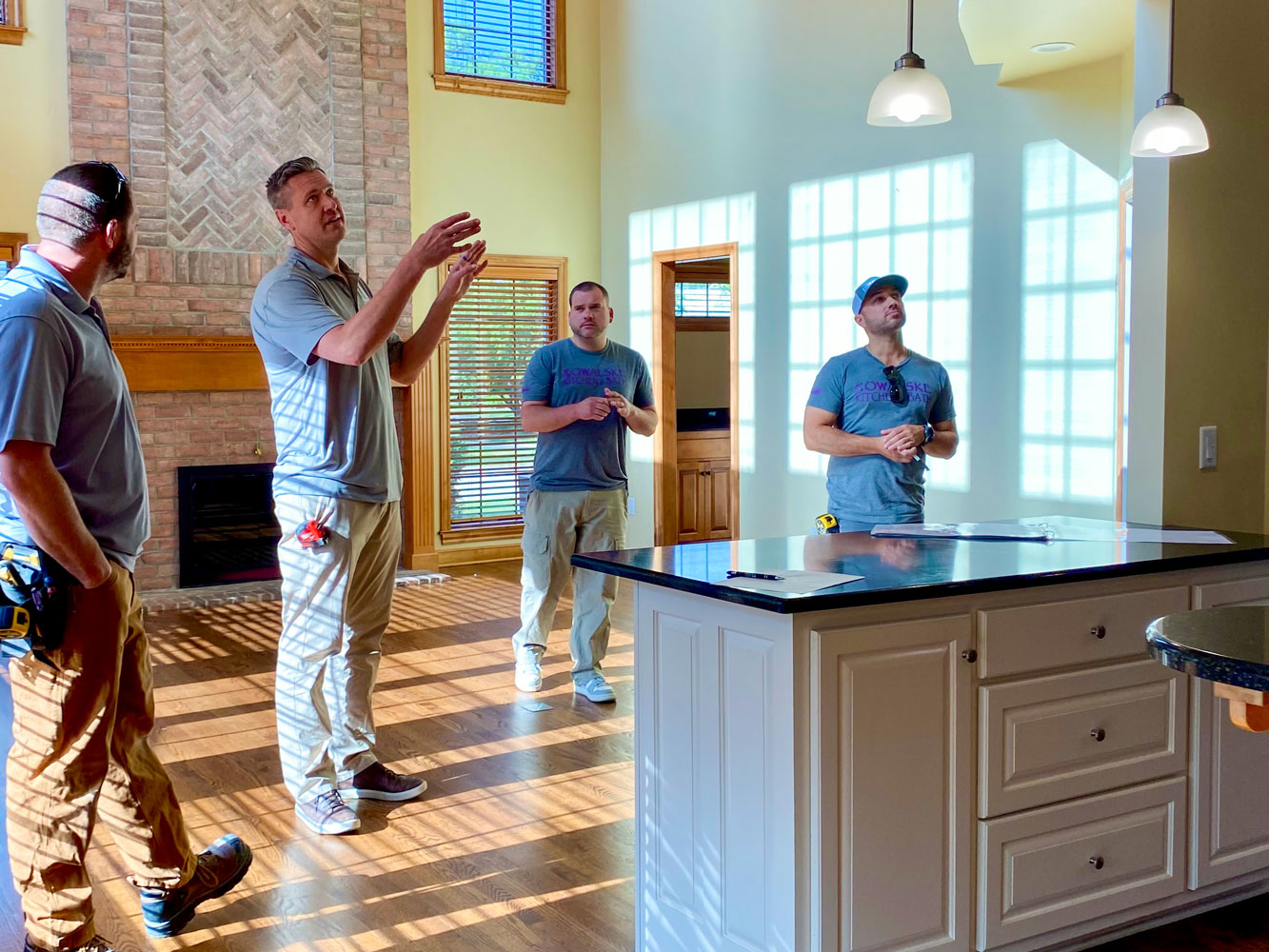
During a home remodel project, you should expect a structured process that moves through design, permitting, demolition, construction, and finishing, with regular inspections and decisions along the way. Most remodels also come with some level of disruption to daily life, unexpected discoveries behind walls, and the need for a contingency budget. According to a 2024 Clever Real Estate survey, about 87% of homeowners faced challenges during their last renovation, and 78% went over budget. The good news is that with the right team and clear expectations, a remodel can transform your home and add real value. This guide covers every phase of the process so you know exactly what to expect before, during, and after construction.
What Are the Phases of a Home Remodel Project?
The phases of a home remodel project are planning and design, permitting, demolition, rough construction, inspections, finish work, and final walkthrough. Each phase has its own timeline, decisions, and milestones. Knowing what happens at each stage removes the mystery and helps you stay prepared.
Phase 1: Planning and Design (4 to 12 weeks). This is where your ideas take shape. You work with a designer or architect to create floor plans, select materials, and set the scope of the project. According to the 2024 U.S. Houzz and Home Study, kitchens take over nine months of combined planning and construction time, the longest of any room in the house.
Phase 2: Permitting (2 to 8 weeks, sometimes longer). Your contractor submits plans to the local building department for approval. In Coral Gables, exterior work also requires Board of Architects review, which can add time. The permit requirements for home renovation in Coral Gables include structural, electrical, plumbing, mechanical, zoning, and fire safety reviews.
Phase 3: Demolition (1 to 2 weeks). Old materials, fixtures, and finishes are removed. This is often when hidden issues like water damage, outdated wiring, or mold are discovered. Your contractor should communicate any findings immediately so you can make decisions together.
Phase 4: Rough Construction (4 to 8 weeks). This phase covers framing, plumbing, electrical, and HVAC work. These systems form the bones of your remodel and must pass inspection before walls can be closed up.
Phase 5: Inspections (ongoing). Building inspectors visit the site at key milestones to confirm the work meets code. In Miami-Dade County's High Velocity Hurricane Zone, inspections are especially thorough because of the stricter building standards.
Phase 6: Finish Work (3 to 6 weeks). Cabinetry, countertops, tile, flooring, paint, lighting, and fixtures are installed. This is where the space starts to look like the vision you planned.
Phase 7: Final Walkthrough and Punch List (1 to 2 weeks). You walk the completed project with your contractor to note any items that need touch-ups or corrections. Once the punch list is complete, the project is done.
How Long Does a Home Remodel Take?
A home remodel takes anywhere from 6 weeks for a single-room update to 6 months or more for a whole-home renovation. The timeline depends on the size of the project, the complexity of the work, and how quickly permits are approved. According to the 2024 Clever Real Estate survey, 58% of homeowners say home renovations take longer than expected.
A kitchen remodel in the Coral Gables area typically takes 3 to 5 months of construction after the design and permitting phases are complete. Bathrooms usually run 4 to 8 weeks. A whole home renovation involving multiple rooms, structural changes, and system upgrades can take 4 to 8 months of active construction, plus the design and permit timeline on top of that.
Delays happen for a variety of reasons. Material lead times, weather (especially during South Florida's rainy season), unexpected structural issues, and permit processing times can all push the schedule. The Angi 2024 State of Home Spending Report found that 54% of homeowners struggled to find skilled professionals, which contributed to higher costs (22%) and project delays (15%).
The best way to manage timeline expectations is to build buffer time into your plan from the start. Experienced contractors in the Coral Gables area factor in realistic timelines based on local permitting speeds and material availability, so there are fewer surprises once construction begins.
How Much Should You Budget for a Home Remodel?
How much you should budget for a home remodel depends on the scope of work, the quality of materials, and your local market. According to the 2025 U.S. Houzz and Home Study, the median spend on home renovations in 2024 was $20,000. The top 10% of homeowners spent $140,000 or more per project.
Kitchens are the most expensive interior remodel. Large kitchen remodels (200+ square feet) held steady at a median of $55,000 in 2024, while smaller kitchens under 200 square feet rose 9% to $35,000, according to Houzz. Primary bathroom remodels ranged from $17,000 for small spaces to $25,000 for larger bathrooms.
The 2024 Zonda Cost vs. Value Report found that minor kitchen remodels deliver 113% ROI, the highest among interior projects. This means a well-planned kitchen update can actually return more than it costs at resale. For homeowners in Coral Gables looking at a luxury kitchen remodel, the investment often makes strong financial sense in addition to improving daily life.
The most important budget item many homeowners overlook is the contingency fund. Experts recommend setting aside 10% to 20% of your total renovation budget for unexpected expenses. According to Clever Real Estate, 78% of homeowners went over budget on their last renovation. Hidden water damage, outdated electrical wiring, and code compliance issues are the most common culprits. A well-planned contingency fund prevents these surprises from derailing the entire project.
What Is the 30 Percent Rule for Renovations?
The 30 percent rule for renovations recommends capping your total renovation spending at no more than 30% of your home's current market value. This guideline helps prevent overcapitalization, which is when you spend more on improvements than you can recover at resale.
For example, if your home is valued at $500,000, the 30% rule suggests a maximum renovation budget of $150,000. Some remodelers also use a variation of this rule: setting aside 30% of the total renovation budget as a cushion for unexpected costs, similar to a larger contingency fund.
In a high-value market like Coral Gables, where home prices are well above the national average, the 30% rule still provides a useful starting point. However, the best approach is to work with a contractor who understands your renovation budget strategy and can help you prioritize spending where it adds the most value.
What Are the Most Common Challenges During a Home Remodel?
The most common challenges during a home remodel are going over budget, experiencing delays, finding skilled labor, and dealing with unexpected issues discovered during demolition. According to the 2024 Clever Real Estate survey, 87% of homeowners faced challenges during their last renovation.
Budget overruns are the single biggest issue. The Angi 2024 report found that over 50% of homeowners encountered surprise expenses, with labor costs and unforeseen material expenses cited as the most common reasons. One in 5 homeowners had to adjust their budget because of rising labor costs alone. Another 1 in 5 ran into unexpected material costs.
Finding the right professionals is another top challenge. A Houzz survey found that 45% of homeowners who completed projects cited finding qualified contractors as their biggest hurdle. In South Florida, where hurricane-zone construction standards add complexity, working with a licensed, experienced contractor is even more critical.
Communication gaps between homeowners and contractors cause frustration on both sides. The most successful projects are the ones where communication is clear, frequent, and documented from day one. A design-build firm that handles both design and construction under one team eliminates the miscommunication that often happens when separate architects and contractors try to coordinate.
What Are the Most Expensive Parts of a Home Renovation?
The most expensive parts of a home renovation are structural changes, kitchen and bathroom remodels, HVAC system upgrades, and roofing. According to the 2025 Houzz study, large kitchen remodels hit $55,000 at the median, with the top 10% of spenders investing $200,000 or more on kitchens over 250 square feet.
Structural work like removing load-bearing walls, adding rooms, or reconfiguring floor plans requires engineering, permits, and heavy labor, which drives costs up quickly. In Miami-Dade County, hurricane-zone requirements for reinforced construction add another layer of expense that other parts of the country do not have.
Plumbing was the most common system upgrade in 2024, with 27% of renovating homeowners investing in this area, followed by electrical work at 25%, according to Houzz. Heating and cooling system upgrades averaged $5,600 per project. These behind-the-wall systems are not glamorous, but they are often the most important investments in a remodel, especially in older Coral Gables homes where original systems may be decades old. For a deeper breakdown, homeowners can review the most expensive parts of renovating a house.
Should You Live in Your Home During a Remodel?
Whether you should live in your home during a remodel depends on the scope of the project. Small, single-room renovations like a bathroom or guest bedroom update are usually manageable. Whole-home renovations that involve demolishing kitchens, ripping out flooring, or running new plumbing and electrical through the entire house are much harder to live through.
The Clever Real Estate survey found that 74% of homeowners who remodeled had some form of regret, with 22% regretting that the renovation took too long. Living in a construction zone amplifies every delay and disruption. Dust, noise, limited access to rooms, and the loss of a functioning kitchen or bathroom can wear on even the most patient homeowner.
If you choose to stay in the home, your contractor should create a phased plan that keeps at least one bathroom and one cooking area functional at all times. Clear communication about the daily schedule, which rooms are off-limits, and when loud or dusty work will happen makes the experience much more livable.
For major renovations in Coral Gables, some families choose to temporarily relocate. This gives the construction crew full access to the home, which can actually speed up the timeline and improve the quality of work. Discuss this option with your contractor early in the planning phase, especially if you are considering a plan for surviving a renovation with your family intact.
How Do You Choose the Right Contractor for a Home Remodel?
You choose the right contractor for a home remodel by verifying their license, checking references, reviewing their portfolio of completed work, and confirming they have experience with your type of project and your local building codes. According to the 2025 Houzz study, 9 in 10 renovating homeowners hired professionals for their projects in 2024.
In Coral Gables, the right contractor needs to know the Board of Architects review process, Miami-Dade County's hurricane-zone requirements, and the city's strict design standards. A contractor who has not worked in Coral Gables before may underestimate the permitting timeline or miss architectural requirements that lead to resubmissions and delays.
The design-build model, where one firm handles both the design and the construction, is growing in popularity because it eliminates the communication gaps that happen when homeowners hire separate architects and general contractors. According to Angi, 67% of homeowners would prefer to renovate rather than move, which means more homeowners than ever are looking for experienced remodeling teams they can trust with large, complex projects.
Ask to see completed projects similar to yours. Look at the project portfolio of any contractor you are considering to judge the quality of craftsmanship, design sense, and attention to detail. A strong portfolio tells you more than any sales pitch ever could.
What Permits Do You Need for a Home Remodel?
The permits you need for a home remodel depend on the scope of work. Most projects that involve structural changes, electrical work, plumbing, HVAC, roofing, or exterior modifications require building permits. In Coral Gables, any work that changes the exterior appearance of a home also needs Board of Architects approval.
Common permits include building permits (for structural work), electrical permits, plumbing permits, and mechanical permits (for HVAC). In Miami-Dade County, all construction materials and methods must comply with High Velocity Hurricane Zone standards, which means additional review for impact-rated windows, doors, and roofing systems.
Skipping permits is never worth the risk. Unpermitted work can lead to fines, forced removal of completed construction, complications with home insurance, and serious problems when you try to sell. According to the Clever Real Estate data, 39% of homeowners exceed their budget due to unexpected costs. Permit-related surprises are among the most preventable budget problems if you plan ahead.
Your contractor should handle the entire permitting process as part of their scope of work. In Coral Gables, where the Board of Architects reviews everything from paint colors to pergola designs, having a contractor who knows the system saves weeks of back-and-forth. Firms experienced with project management for builds in the area handle this seamlessly.
What Should You Do Before Starting a Home Remodel?
Before starting a home remodel, you should define your goals, set a realistic budget with a contingency fund, research contractors, gather design inspiration, and understand the permit requirements for your area. Preparation is the single biggest factor that determines whether a remodel goes smoothly or becomes stressful.
Start by listing your must-haves versus nice-to-haves. A 2024 Houzz survey found that the top reason homeowners remodel (30%) is to upgrade outdated materials and surfaces. Only 1 in 10 remodel purely for aesthetics. Knowing your priorities helps you allocate budget to the things that matter most.
Get at least three detailed estimates from licensed contractors. Each estimate should break down costs by category: labor, materials, permits, and contingency. Compare not just the total price, but the level of detail in each proposal. A vague estimate is a red flag.
If your remodel involves a kitchen or bathroom, plan for alternative arrangements. Set up a temporary cooking station in another room. Identify which bathroom the family will use during construction. These small preparations make a big difference in your daily comfort.
For homeowners in Coral Gables, a pre-construction meeting with your contractor should cover the permitting timeline, expected inspections, the daily work schedule, parking for construction vehicles, and noise restrictions. The city has specific rules about construction hours and debris removal that your contractor should communicate up front.
What Renovations Add the Most Value to a Home?
The renovations that add the most value to a home are garage door replacements (268% ROI), minor kitchen remodels (113% ROI), and wood deck additions (95% ROI), according to the 2024 Zonda Cost vs. Value Report. Interior projects with the highest returns include kitchen updates and bathroom remodels.
The NAR's Remodeling Impact Report found that refinishing hardwood floors and installing new hardwood flooring deliver some of the strongest returns among interior projects. Nearly half of realtors recommend painting the entire interior of a home before selling, and 3 in 10 recommend a kitchen upgrade.
In Coral Gables, where homes range from historic Mediterranean estates to modern new builds, the improvements that add the most value depend on the age and condition of the home. Older homes often benefit most from system upgrades (plumbing, electrical, HVAC) and structural improvements. Newer homes see the biggest returns from kitchen and bathroom upgrades, outdoor living spaces, and smart home features.
Homeowners who want a comprehensive list of value-adding improvements can explore which features add the most value to a home for detailed guidance based on current market data.
Home Remodel Timeline and Budget: What to Expect
Project TypeTypical TimelineMedian Cost (2024)Estimated ROIMinor Kitchen Remodel6 to 10 weeks$27,492113%Major Kitchen Remodel (large)3 to 5 months$55,00038% to 50%Bathroom Remodel (small)4 to 6 weeks$17,00074%Bathroom Remodel (large)6 to 10 weeks$25,00060% to 74%Whole Home Renovation4 to 8 months$75,000 to $150,000+Varies by scopeWood Deck Addition2 to 4 weeks$17,000 to $20,00095%Garage Door Replacement1 day$2,355 to $4,513194% to 268%
Sources: 2025 U.S. Houzz and Home Study, 2024 Zonda Cost vs. Value Report, Remodeling Magazine. All costs and ROI figures are national medians. Costs in Coral Gables and South Florida may differ based on hurricane-zone requirements, material selections, and local labor rates.
How Do You Handle Unexpected Problems During a Remodel?
You handle unexpected problems during a remodel by relying on your contingency fund, communicating openly with your contractor, and making decisions quickly to keep the project moving. Surprises are a normal part of renovation work, especially in older homes.
The most common hidden issues include water damage behind walls, mold, outdated or non-code-compliant wiring, deteriorating plumbing, and structural problems like rotted framing or termite damage. Your contractor should document every discovery, explain your options, and provide a clear cost estimate before proceeding with any additional work.
Change orders are the formal process for handling unexpected work. A written change order describes the additional scope, the added cost, and the impact on the timeline. It requires your approval before work begins. Never allow a contractor to proceed with extra work without a signed change order. This protects both you and the contractor from misunderstandings.
In Coral Gables, where many homes date back decades, hidden issues are especially common. Homes built before modern building codes may have aluminum wiring, galvanized steel plumbing, or structural elements that do not meet current hurricane-zone standards. A contractor experienced with remodeling historic homes will anticipate these issues and plan for them before demolition begins.
Frequently Asked Questions
How Much Contingency Should You Set Aside for a Home Remodel?
You should set aside 10% to 20% of your total renovation budget as a contingency fund for unexpected expenses. For complex projects or older homes in Coral Gables, budgeting closer to 20% is the safer choice. According to Clever Real Estate, 78% of homeowners went over budget on their last renovation, and hidden issues behind walls are the most common cause. A well-funded contingency keeps the project on track without forcing you to cut corners on quality.
Do Home Renovations Take Longer Than Expected?
Yes, home renovations frequently take longer than expected. According to Clever Real Estate, 58% of homeowners say their renovation took longer than planned. The most common causes are material lead times, permit processing delays, unexpected structural issues, and difficulty finding skilled tradespeople. In Coral Gables, the Board of Architects review adds a permitting step that other cities do not require, so plan accordingly.
What Percentage of Homeowners Go Over Budget on a Remodel?
Approximately 78% of homeowners go over budget on a home renovation, according to the 2024 Clever Real Estate survey. Among those who hired a contractor, 53% went over budget, compared to 42% of homeowners who did the work themselves. Budget overruns are most often caused by hidden structural problems, material price increases, and scope changes made during the project.
Is It Worth Hiring a Design-Build Firm for a Remodel in Coral Gables?
Yes, hiring a design-build firm for a remodel in Coral Gables is worth it because the same team handles both the design and the construction, which reduces miscommunication, speeds up the timeline, and simplifies the permitting process. According to the 2025 Houzz study, 9 in 10 homeowners hired professionals for renovation work in 2024. In Coral Gables, where strict architectural standards add complexity, a design-build approach keeps every phase aligned from start to finish.
What Is the Best Time of Year to Start a Remodel in South Florida?
The best time of year to start a remodel in South Florida is during the dry season, which runs from November through April. This window avoids the heavy afternoon rains and the peak of hurricane season (June through November). Many homeowners in Coral Gables and across Miami-Dade County begin their planning in late summer so that construction can start as soon as the dry season arrives. Starting during dry months minimizes weather delays and keeps the project on schedule.
How Often Should Your Contractor Communicate During a Remodel?
Your contractor should communicate at least weekly with a formal update, and more frequently during active construction phases. The best contractors provide daily progress updates, advance notice of inspections, and immediate communication when unexpected issues arise. A Houzz survey found that 13% of homeowners cited untimely communication as a top challenge during their renovation. Clear, regular updates prevent misunderstandings and keep you confident in the progress of your project.
What ROI Can You Expect From a Kitchen Remodel in Coral Gables?
You can expect a strong ROI from a kitchen remodel in Coral Gables, especially for minor to mid-range updates. According to the 2024 Zonda Cost vs. Value Report, minor kitchen remodels deliver 113% ROI nationally, the highest among interior projects. In a high-value market like Coral Gables, where buyers expect updated kitchens in luxury homes, the return can be even stronger. A kitchen that combines quality finishes, modern appliances, and a functional layout appeals to both everyday living and resale value.
Final Thoughts
A home remodel is one of the biggest investments you will make, and knowing what to expect at every stage turns what could be stressful into something exciting. From the first design meeting to the final walkthrough, the right preparation and the right team make all the difference. In a market like Coral Gables, where 67% of homeowners prefer renovating over moving (Angi 2024), choosing to invest in your current home is a decision that pays off both financially and in daily quality of life.
The key is to work with experienced professionals who know the local codes, manage timelines with precision, and communicate clearly every step of the way. Cutting Edge Innovative brings that level of craftsmanship and project management to every renovation across the Miami-Dade area. Whether you are updating a single room or transforming your entire home, their design-build team handles everything from concept to completion. Reach out today to schedule a consultation and start planning your home renovation project with confidence.

Previous post

