
.png)


.png)

.png)


Blog
The Most Expensive Parts of a Bathroom Renovation
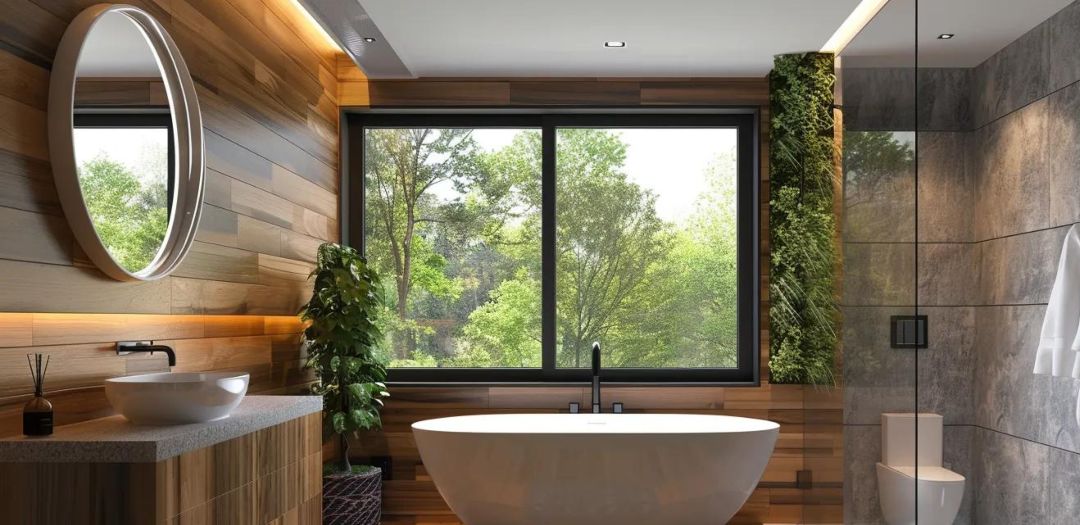
Labor costs are the most expensive part of most bathroom renovations, taking up 40% to 65% of your total budget. This means if you spend $20,000 on your bathroom, about $8,000 to $13,000 will go to paying the people who do the work. When you plan a bathroom renovation, knowing where your money goes helps you make better choices.
Why Bathroom Renovations Cost So Much Money
Bathrooms are small spaces. But they cost more per square foot than almost any other room in your home. Why? Because they need special skills and materials that work around water all day long.
Think about it. Your bathroom has running water, drains, electricity, and steam. Everything must work perfectly, or you'll have big problems like leaks and mold. That means you need pros who know what they're doing.
The Real Numbers Behind Bathroom Costs
Most people spend between $6,500 and $24,000 on a bathroom renovation. Small half bathrooms might cost $3,000 to $8,000. Big master bathrooms can run $15,000 to $30,000 or more. Labor and installation take up 40-65% of total cost, materials and fixtures use 20-30%, plumbing and electrical work accounts for 15-25%, and permits plus unexpected repairs make up 5-10%.
Labor Costs: Your Biggest Bathroom Expense
Labor is king when it comes to bathroom renovations. You're not just paying for someone to show up. You're paying for years of training and skills that keep your home safe.
Why Labor Costs So Much
Professional contractors charge between $50 and $150 per hour. But these aren't simple hours. Here's what you're paying for:
Plumbers know how to move pipes without causing leaks. They make sure water pressure is right and drains work perfectly. Bad plumbing can destroy your walls and floors, costing thousands to fix later.
Electricians keep your bathroom safe from shocks and fires. Bathrooms need special outlets that shut off if water touches them. Your electrician knows building codes and makes sure everything passes inspection.
Tile installers turn your bathroom into a work of art. Setting tile looks easy until you try it. One mistake means crooked lines or cracked tiles. Good installers make it look perfect and keep water where it belongs.
Breaking Down Labor Expenses
For a typical bathroom remodel, here's what you might pay different workers:
General Contractors: $50-$150 per hour or 10-20% of your project cost
Plumbers: $75-$150 per hour
Electricians: $50-$130 per hour
Tile Installers: $60-$120 per hour
Carpenters: $50-$100 per hour
A complete bathroom remodel can take 3 to 8 weeks. Simple updates might finish in 3 weeks. Big changes with new layouts can take 12 weeks or more. That's a lot of hours!
Smart Ways To Save On Labor
You can lower labor costs without getting poor quality work:
Keep everything in the same place. Moving your toilet or shower to a different wall costs much more. When pipes stay put, plumbers work faster and charge less.
Do the easy stuff yourself. Paint walls, remove old fixtures you can handle, and clean up daily. Save the hard work for the pros.
Get three quotes from licensed contractors. Prices can differ by thousands of dollars between companies. Just make sure everyone has proper licenses and insurance.
Bundle your work. Some contractors give discounts when you hire them for your whole bathroom instead of calling different people for each job.
Plumbing and Waterproofing: The Foundation Of Your Bathroom
After labor, plumbing work is usually your next biggest expense. This includes all the pipes, drains, and fixtures, plus the waterproofing that keeps water from destroying your home.
Why Plumbing Costs Add Up Fast
Moving plumbing fixtures can add $2,500 to $3,500 per fixture to your budget. That toilet you want to move across the bathroom? That's extra pipes, extra work, and extra money.
Installing new plumbing for a complete bathroom typically costs $2,000 to $10,000. Most people pay around $5,300 for a full bathroom with a toilet, sink, and shower or tub.
Old homes often have bigger problems. Pipes might be too old or the wrong size for modern fixtures. Sometimes plumbers find issues behind walls that must be fixed right away. These surprise costs can add thousands to your bill.
The Critical Role Of Waterproofing
Proper waterproofing costs $500 to $1,000 for most bathrooms, but it can go up to $4,000 for larger spaces. This might seem expensive, but it's nothing compared to fixing water damage later.
Waterproofing creates a barrier that stops water from getting behind your tiles and into your walls. Without it, you'll get mold, rot, and major repairs that cost way more than waterproofing in the first place.
Professional waterproofing includes special membranes on walls and floors, sealed corners and edges where water likes to sneak through, proper slope on shower floors so water drains correctly, and protection around pipes and fixtures.
Plumbing Fixtures Add Up
The fixtures you choose make a big difference in cost:
Basic fixtures like standard toilets ($150-$600), simple sinks and faucets ($300-$800), and basic showerheads ($50-$200) offer the most affordable options. Mid-range choices include dual-flush toilets ($400-$1,000), designer sinks and faucets ($500-$2,000), and rain showerheads ($200-$800). Luxury fixtures can include smart toilets with bidets ($1,000-$3,000+), custom sinks with waterfall faucets ($2,000-$5,000+), and multi-function shower systems ($800-$3,000+).
Tile Work: Beautiful But Labor-Intensive
Tile installation is another major expense because it takes time, skill, and precision. One wrong cut ruins an expensive piece of tile. One crooked line shows forever.
Understanding Tile Installation Costs
Installing bathroom tile costs $10 to $50 per square foot on average, including materials and labor. That breaks down to:
- Tile materials: $2-$30 per square foot
- Labor for installation: $8-$20 per square foot
- Extra supplies (mortar, grout, sealant): $1-$3 per square foot
A typical 5x8 foot bathroom floor uses about 40 square feet of tile. At $20 per square foot installed, that's $800 just for the floor. Add shower walls and you're looking at much more.
Why Some Tile Costs More To Install
Not all tile is equal when it comes to labor costs. Here's what makes installation more expensive:
Small tiles take forever. Tiny mosaic tiles that look amazing take hours longer than big tiles. Each piece must be placed perfectly. More grout lines mean more work.
Complicated patterns cost more. Herringbone designs, basket weave patterns, or custom layouts need extra time and skill. Straight lines and simple patterns save money.
Heavy tiles need extra care. Large porcelain tiles and natural stone weigh more and can crack if not handled right. Installers work slower to avoid breaking expensive pieces.
Natural stone needs special treatment. Marble, granite, and other stones must be sealed to resist water and stains. This adds time and materials to your project.
Popular Tile Options And Costs
Ceramic tile costs $4-$15 per square foot and offers the most budget-friendly choice for floors and walls. It comes in endless colors and styles, cleans easily, and lasts for years. Porcelain tile runs $15-$50 per square foot. It's stronger than ceramic and more water-resistant, making it great for shower floors and wet areas. It can also look like wood or natural stone for less money. Glass tile costs $20-$100 per square foot and is used for accent walls and decorative touches. It reflects light beautifully but costs more to install because it requires precision. Natural stone like marble and granite costs $10-$350 per square foot. This luxury option adds real value to your home but needs regular sealing and careful cleaning. Each piece is different, creating a one-of-a-kind look. Vinyl tile is the cheapest option at $2-$10 per square foot. It still looks good and is easy to install yourself if you're handy, though it's not as durable as ceramic or porcelain.
Custom Cabinetry and Vanities: Storage With Style
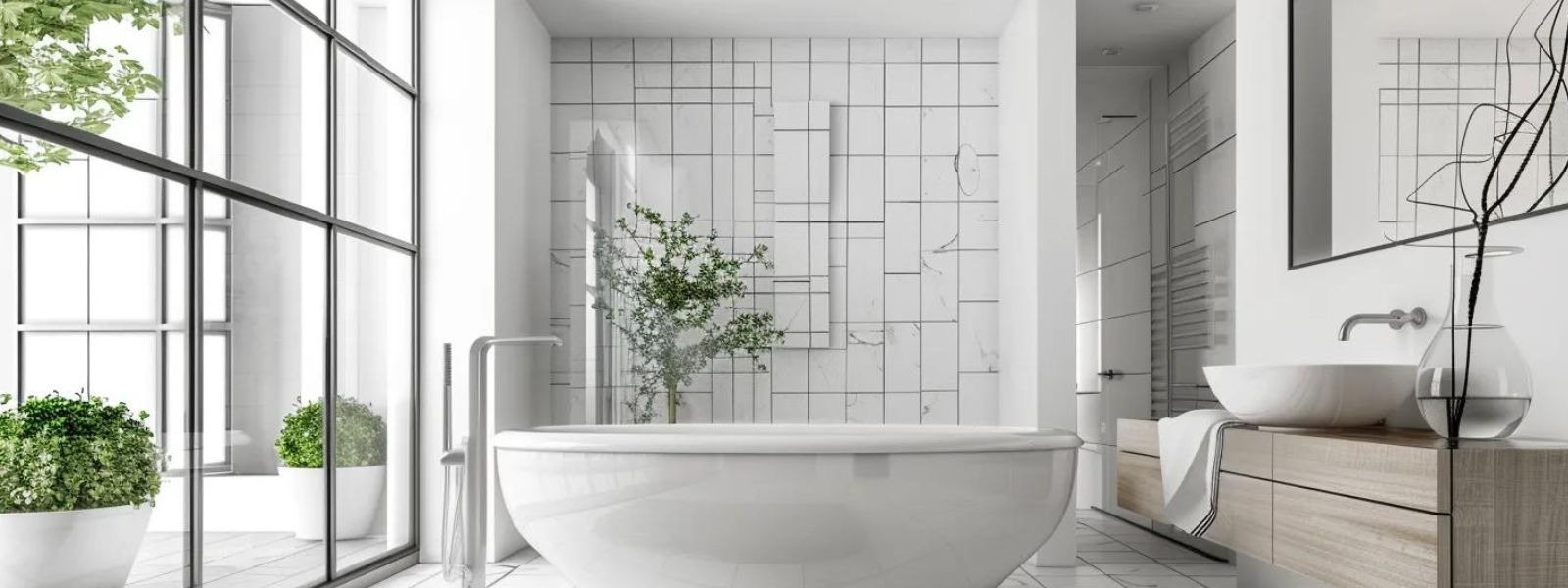
Your vanity and cabinets store all your bathroom stuff while looking great. Custom options cost more but fit your space perfectly.
Vanity Cost Breakdown
Basic prefab vanities cost $300-$1,200. These come in standard sizes from big box stores. You pick one that's close to what you need.
Semi-custom vanities run $1,200-$3,000. You can choose specific sizes, finishes, and features. They offer more flexibility without the huge custom price tag.
Custom-built vanities cost $3,000-$6,000 or more. A carpenter builds these specifically for your space. Every inch works for you, and you pick everything from wood type to hardware.
The price includes:
- Cabinet boxes and doors
- Countertop (laminate, quartz, or granite)
- Sink and faucet installation
- Hardware (handles and drawer pulls)
- Installation labor
What Makes Vanities Cost More
Material matters. Solid wood costs more than plywood or particle board. But it lasts longer and looks better. Water-resistant materials are worth the extra money in bathrooms.
Size makes a difference. Double vanities for master bathrooms cost much more than single vanities for guest baths. More drawers and cabinets add up fast.
Countertop choices vary widely. Laminate costs $10-$40 per square foot. Quartz runs $50-$150 per square foot. Marble can hit $100-$200 per square foot.
Special features add cost. Soft-close drawers, built-in organizers, LED lighting, and custom mirrors all increase your price. Decide which features matter most to you.
Flooring: The Foundation Under Your Feet
Your bathroom floor must handle water, steam, and daily use. It needs to be durable and safe when wet.
Bathroom Flooring Costs
Installing bathroom flooring costs $400 to $8,000 depending on material and bathroom size. Here's what different options cost per square foot installed:
Ceramic Tile: $12-$40 per square foot
Water-resistant and comes in many styles. Good balance of cost and quality.
Porcelain Tile: $15-$50 per square foot
More durable than ceramic. Resists chips and scratches better. Great for busy bathrooms.
Vinyl Plank: $4-$16 per square foot
Budget-friendly and water-resistant. Looks like wood without the price. Easy to replace if damaged.
Natural Stone: $20-$100 per square foot
Luxury option that adds real value. Needs sealing to prevent water damage. Can be slippery when wet.
Heated Floors: Add $7-$17 per square foot
Turn your bathroom floor into a cozy spa. Installation happens before final flooring goes down. Worth it if you live in cold places.
Extra Flooring Expenses
Removing Old Flooring: $1-$7 per square foot
Old tile costs most to remove because it's time-consuming. Vinyl comes up easier and costs less.
Subfloor Repair: $40-$65 per square foot
Water damage often ruins the wood under your floor. This must be fixed before new flooring goes down, or you'll have problems.
Backer Board Installation: $5-$8 per square foot
This goes between your subfloor and tile. It prevents cracks and makes your floor last longer.
Showers and Tubs: The Wet Zone
Your shower or tub is where bathroom renovations get really expensive. These need perfect installation to avoid leaks.
Shower Installation Costs
A complete shower remodel costs $1,500 to $10,000 depending on what you choose.
Prefab Shower Kits: $600-$2,000
The budget option that includes everything. Easy to install and comes in standard sizes. Limited choices but gets the job done.
Tile Shower Enclosure: $2,000-$5,000
Custom tile work that fits your space perfectly. Looks amazing but costs more. Requires proper waterproofing.
Luxury Walk-In Shower: $5,000-$10,000+
Includes multiple showerheads, body sprays, rain shower, and glass doors. The spa experience at home.
Shower-Tub Combo: $1,200-$3,500
Good for families with kids who need a tub. Uses less space than separate fixtures.
Bathtub Options and Prices
Standard Drop-In Tub: $400-$1,500
Basic tub that goes between three walls. Most affordable option that works for most homes.
Freestanding Tub: $1,000-$5,000
Sits in the middle of the room or against one wall. Makes a statement but needs more space and plumbing work.
Soaking Tub: $1,500-$8,000
Deeper than standard tubs for a spa-like bath. Heavier and may need floor reinforcement.
Jetted or Air Tub: $2,000-$10,000+
Built-in jets for massage. Needs extra electrical work and regular cleaning.
Shower and Tub Installation Factors
Moving your shower or tub to a different location adds $3,000-$10,000 to your cost. All those pipes must move too. Sometimes walls need to be opened up and rebuilt.
Changing from a tub to a walk-in shower costs less if you're not moving plumbing. The space is already set up for water. You're just changing what's inside it.
Adding a new shower or tub where there wasn't one before costs the most. New plumbing lines, drains, and waterproofing all start from scratch.
Electrical Work and Lighting: Safety First
Bathrooms need special electrical work because water and electricity don't mix. Your electrician makes sure everything is safe.
Bathroom Electrical Costs
Basic electrical upgrades cost $300-$800 for most bathrooms, including GFCI outlets that shut off if water touches them, new light fixtures, ventilation fan installation, and basic rewiring if needed. Larger projects with lots of changes can cost $1,000-$3,000 or more. Moving outlets, adding heated floors, or installing fancy lighting systems all add up.
Special Electrical Features
Heated Floors: $500-$2,800
Electric heating under your tile makes cold mornings better. Must be installed before final flooring.
Recessed Lighting: $200-$500 per light
Modern look that provides good overall lighting. Needs space in ceiling and careful waterproofing in shower areas.
Lighted Mirrors: $200-$1,500
Built-in lights around or behind your mirror. Some include anti-fog features. Good for putting on makeup or shaving.
Exhaust Fan: $200-$500
Required by building codes in most places. Removes moisture and prevents mold. Quieter models cost more.
Smart Controls: $300-$1,000+
Control lights, fans, and heated floors from your phone. Set schedules so everything turns on automatically.
Permits and Hidden Costs: The Surprises
Most bathroom renovations need permits from your local building department. These make sure work meets safety codes.
Permit Costs
Building permits cost $200-$2,000 depending on your location and project size. Some places charge a flat fee. Others charge 1-2% of your total project cost.
Your contractor should handle getting permits. The cost usually shows up in your estimate. Never skip permits to save money. You could face fines, problems with insurance, or trouble selling your home later.
Surprise Expenses That Pop Up
Even the best plans hit unexpected problems. Smart homeowners budget an extra 10-20% for surprises like:
Mold or Water Damage: $500-$6,000
When walls come down, hidden problems appear. Mold must be removed properly before new work starts.
Old Plumbing or Wiring: $1,000-$5,000
Sometimes old pipes or wires must be replaced to meet current codes. Can't always tell until walls are open.
Structural Issues: $2,000-$10,000
Rotted floor joists, weak walls, or foundation problems need fixing. You can't tile over bad structure.
Asbestos or Lead: $1,500-$5,000
Homes built before 1980 might have these dangerous materials. Pros must remove them safely.
Layout Changes: When You Move Things Around
Keeping your toilet, sink, and shower in the same spots saves big money. Moving them costs much more.
Why Layout Changes Cost So Much
Moving a toilet costs $2,500-$3,500 because the drain pipe in your floor must move too. This isn't a simple job.
Relocating a sink adds $1,500-$3,000 to your budget. Water supply lines and drain pipes all need new routes.
Moving your shower to a different wall can cost $3,000-$10,000. You're basically building a new shower from scratch with all new plumbing and waterproofing.
Opening up walls and moving pipes takes time. After plumbing moves, walls must be rebuilt and finished. This doubles your work.
When Layout Changes Make Sense
Sometimes spending extra on layout changes is worth it:
- Making a tiny bathroom feel bigger by moving the toilet
- Creating a walk-in shower where an old tub sat
- Adding a double vanity in a master bathroom
- Improving flow so the bathroom works better for your family
Just know what you're getting into. Talk with your contractor about whether the benefits justify the cost.
Smart Ways To Save Money On Your Bathroom Renovation
You don't have to break the bank for a beautiful bathroom. Here are proven ways to save without sacrificing quality.
Keep Your Layout The Same
This is the single biggest money-saver. Keep your toilet, sink, and shower where they are now. This cuts out thousands in plumbing and construction costs.
You can still make big changes. New tile, fixtures, vanity, and lighting transform your bathroom without moving pipes.
Choose Materials Wisely
You don't need the most expensive materials to get a great look:
Use porcelain that looks like marble instead of real marble. You'll save $50-$200 per square foot and get a similar look. It's also easier to maintain.
Pick prefab vanities over custom ones. You'll find hundreds of nice options that fit most spaces. Save thousands compared to custom work.
Go with ceramic tile instead of natural stone. It costs 30-50% less, comes in amazing designs, and lasts just as long with proper care.
Choose standard-size fixtures that don't need special plumbing. Unusual or oversized pieces often need extra work.
Do Some Work Yourself
You can take on tasks that don't require special licenses like removing old fixtures carefully, painting walls and ceiling, installing towel bars and accessories, and cleaning up and hauling away debris. However, leave the hard stuff to pros including all plumbing work, electrical wiring, tile installation, and waterproofing.
Doing just 20% of the work yourself can save $2,000-$4,000 on a mid-range bathroom.
Shop Sales And Clearance
Retailers put fixtures and tile on clearance all the time. You can find last season's faucets for 30-50% off, discontinued tile colors at huge discounts, floor models with minor flaws for cheap, and bulk deals on buying multiple items together. Be flexible on exact colors and styles. If you can work with what's on sale, you'll save hundreds or thousands.
Time Your Project Right
Contractors are busier during spring and summer. You might pay more during peak season. Fall and winter often bring better rates because there's less demand.
Some contractors offer discounts for booking during their slow season. Ask about off-season pricing when you get quotes.
How To Budget For Your Bathroom Renovation
Smart budgeting keeps your project on track. Here's how to plan your spending.
Set Your Total Budget
Figure out how much you can afford to spend. Look at your savings available for the project, home equity or renovation loans you might use, how much value the renovation adds to your home, and whether you plan to stay in your home long-term. Most experts say don't spend more than 5-10% of your home's value on a bathroom. So a $300,000 home should cap bathroom renovations at $15,000-$30,000.
Break Down Your Budget By Category
Use these percentages to divide your total budget. Labor and installation should get 50-60%, fixtures and finishes take 20-25%, cabinets and vanity use 10-15%, tile and flooring need 10-15%, and your contingency fund requires 10-20%. That contingency fund is important! Almost every renovation hits surprise costs. Having money set aside prevents panic when problems appear.
Get Multiple Quotes
Never hire the first contractor you talk to. Get at least three written quotes that include a detailed list of all work to be done, specific materials and brands, timeline for completion, payment schedule, and who handles permits and inspections. Compare quotes carefully. The cheapest isn't always best. Look for contractors with good reviews, proper licenses, and clear communication.
Track Your Spending
Keep a spreadsheet of all costs. Write down each payment you make, materials you buy, changes to the original plan, and surprise costs that come up. This helps you see where money goes and catch budget problems early.
Working With Contractors: Getting The Best Value
The right contractor makes your bathroom renovation smooth. The wrong one creates stress and costs more money.
What To Look For In A Contractor
Your contractor must be licensed in your state with proper licensing and insurance. They need liability insurance and workers' compensation. Don't skip checking this. Look for good references by asking to see photos of past work. Talk to previous customers and check online reviews on multiple sites. Everything should be in writing through clear contracts including what work gets done, what materials are used, when payments happen, and how changes are handled. Be suspicious of contractors who promise to finish way faster than others with realistic timelines. Quality work takes time.
Red Flags To Avoid
Run away from contractors who want full payment upfront, don't have proper licenses or insurance, won't provide references, can't give you a written estimate, pressure you to decide immediately, or offer deals that seem too good to be true.
Communication Is Key
The best contractor relationships have regular updates on progress, quick responses to your questions, honesty about problems and delays, respect for your home and schedule, and willingness to explain what they're doing and why.
Is A Bathroom Renovation Worth The Cost?
Bathroom renovations add real value to your home. The numbers prove it.
Return On Investment
Mid-range bathroom remodels typically return 60-75% of their cost when you sell your home. That's one of the best returns for any home improvement.
An upscale bathroom renovation returns about 45-60% of the cost. You won't get all your money back, but you'll get a lot of it.
Even if you're not selling soon, a renovated bathroom makes daily life better. You use your bathroom every day. A space that works well and looks great improves your life.
Beyond The Numbers
A bathroom renovation gives you better function by fixing problems like poor water pressure, not enough storage, or cramped space. It helps make the bathroom work for your family. You get modern safety features like grab bars, non-slip floors, and better lighting. These changes prevent accidents, especially important as you get older. New fixtures bring energy savings by using less water and electricity. A low-flow toilet saves thousands of gallons per year. LED lights cost pennies to run. You'll also see health benefits by getting rid of mold, improving ventilation, and creating a cleaner space. Your bathroom affects your health more than you might think.
Planning Your Bathroom Renovation Timeline
Understanding how long things take helps you plan better.
Typical Timeline For A Full Bathroom Remodel
Week 1-2: Planning and Permits
- Meet with contractors and designers
- Choose materials and fixtures
- Get permits approved
- Order special items that take time
Week 3: Demolition
- Remove old fixtures, tile, and cabinets
- Take out damaged walls or floors
- Expose plumbing and electrical systems
Week 4-5: Rough Work
- Move or install new plumbing
- Update electrical wiring
- Fix any structural problems found
- Install new subfloor if needed
Week 6-7: Walls and Waterproofing
- Rebuild walls
- Install waterproof membranes
- Prepare surfaces for tile
Week 8-9: Tile and Finishes
- Install floor and wall tile
- Let everything dry and cure
- Apply grout and sealant
Week 10-11: Final Installation
- Put in new fixtures and vanity
- Install lights and accessories
- Final plumbing and electrical connections
Week 12: Cleanup and Inspection
- Clean everything thoroughly
- Final inspection
- Fix any small issues
This timeline works for a complete remodel of an average bathroom. Smaller updates take 3-6 weeks. Larger or more complex projects can take 12-16 weeks.
Final Thoughts
Bathroom renovations cost a lot because they require skilled work, quality materials, and attention to detail. Labor typically eats up 40-65% of your budget. Plumbing and waterproofing come next, followed by tile work, fixtures, and cabinetry.
The good news? You have control over costs. Keep your layout the same to save thousands. Choose materials that balance quality and price. Do simple tasks yourself but hire pros for important work. Shop sales and get multiple quotes.
Most important: don't cut corners on waterproofing, plumbing, or electrical work. These hidden systems protect your home. Spending money on quality work here prevents expensive disasters later.
A well-planned bathroom renovation creates a space you'll love for years. It adds value to your home, makes daily life better, and gives you a room that works the way you need it to.
Ready to start your bathroom renovation? Take time to plan carefully, budget realistically, and choose contractors you trust. Your dream bathroom is worth doing right.
Looking for expert help with your bathroom renovation? Cutting Edge Innovative specializes in luxury kitchen remodels, spa bathroom renovations, and full home remodels throughout South Florida. Our team handles everything from design to final installation, making your renovation smooth and stress-free. Contact us today for a consultation on your home renovation project.

Previous post

