
.png)


.png)

.png)


Blog
Signs Your Home Needs a Foundation Inspection
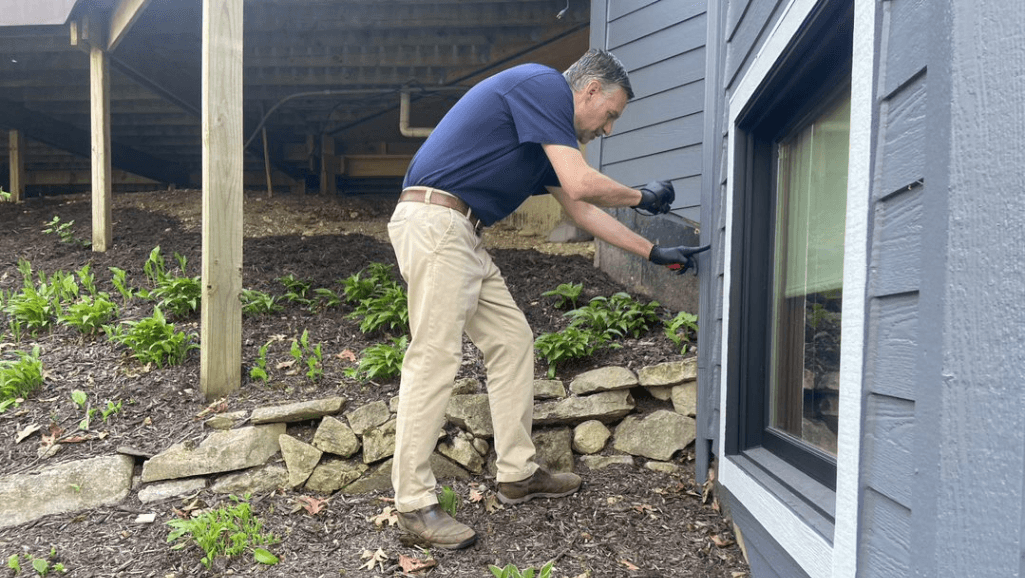
Yes, if you notice wall cracks, sticking doors, uneven floors, or gaps around windows, your home likely needs a foundation inspection. These warning signs point to shifting or settling that can get worse fast if left alone. According to the U.S. Census Bureau, more than 6 million American homes have some form of structural damage, and catching foundation problems early can save thousands of dollars in repairs. This article covers the most common signs that your home needs a foundation inspection, what inspectors look for, what causes foundation damage in South Florida, and what to do if you spot trouble.
How To Tell If Your House Has a Foundation Problem
You can tell if your house has a foundation problem by looking for visible cracks in walls or floors, doors and windows that stick or will not close right, uneven or sloping floors, gaps between walls and ceilings, and a chimney that leans or pulls away from the house. These are the most common red flags that something is shifting below your home.
Data from the Inspection Support Network estimates that about 25% of Americans will deal with structural issues in their homes at some point. Of those, only about 5% need major structural repairs. The rest can be caught and fixed early if homeowners know what to look for.
In Coral Gables, Florida, where many homes sit on limestone and sandy soil, foundation issues can sneak up on you. The warm, wet climate and high water table put extra stress on foundations year after year. A quick walk around your property can tell you a lot about the health of your home's base.
What Is the Biggest Red Flag in a Home Inspection?
The biggest red flag in a home inspection is foundation damage. Cracks wider than 1/4 inch, horizontal cracks in walls, and stair-step cracks in brick or block are all serious warning signs. Foundation problems affect every other part of the house, from the roof to the plumbing, and they are often the most expensive issue to fix.
According to a survey by Groundworks, a nationwide foundation services company, 78% of homeowners say they worry about foundation damage to their home. That concern is well placed. A home with unrepaired foundation issues can lose 10% to 15% of its value, according to estimates from Rare Daily. On a $500,000 Coral Gables home, that could mean $50,000 to $75,000 in lost equity.
Homeowners planning a whole home renovation should always start with a foundation check. No renovation will last if the base of your home is unstable.
What Are the Most Common Signs of Foundation Damage?
The most common signs of foundation damage are cracks in interior walls and ceilings, sticking doors and windows, uneven or sagging floors, gaps around door and window frames, cracks in the exterior foundation, and water pooling near the base of the house.
Do Cracks in Walls Mean Foundation Problems?
Yes, cracks in walls can mean foundation problems, especially if they are wider than 1/8 inch, run diagonally, or form a stair-step pattern. Hairline cracks are normal settling and usually nothing to worry about. But wider cracks, especially those near doors, windows, or corners, often signal that the foundation is shifting or sinking unevenly.
Horizontal cracks are the most dangerous type. They can mean the foundation wall is bowing under soil pressure. If you see horizontal cracks wider than a pencil, that may be an emergency that calls for immediate professional attention.
Many homeowners in the Coral Gables area notice cracks in their stucco or drywall and assume it is just cosmetic. In many cases, those cracks are the first visible sign of deeper foundation movement.
Can Sticking Doors and Windows Be a Sign of Foundation Issues?
Yes, sticking doors and windows can be a sign of foundation issues. When a foundation shifts, it pulls the frame of the house out of square. This makes doors and windows sit crooked in their frames, causing them to jam, stick, or swing open on their own.
Humidity can also cause wood to swell, so a sticking door during a rainy Coral Gables summer does not always mean trouble. But if sticking happens along with other signs like wall cracks or uneven floors, it is time to call a professional.
What Do Uneven or Sloping Floors Tell You?
Uneven or sloping floors tell you that part of your foundation has settled more than the rest. This is called differential settlement, and it puts stress on your entire structure. You can test this at home by placing a ball on the floor. If it rolls to one side on its own, your floors may be out of level.
According to foundation engineering standards, minor settlement of 0.1% to 0.25% is common in many homes. But settlement at 1% or more is considered severe and requires immediate repair. Homeowners in South Florida should pay extra attention to sloping, since sandy soil and high water tables make uneven settling more likely.
How Can I Detect Hidden Foundation Problems?
You can detect hidden foundation problems by checking for gaps between walls and ceilings, inspecting your basement or crawl space for moisture and cracks, looking for water stains near the base of your home, and watching for changes in how doors and windows operate over time.
Some of the most damaging foundation issues are the ones you cannot see right away. Water seeping into a crawl space or basement is a major warning sign. According to the American Society of Home Inspectors, moisture-related problems are among the most common issues found during home inspections nationwide.
Walk around the outside of your home in Coral Gables and look for areas where water pools after a heavy rain. Standing water near the foundation can erode soil and weaken the base over time. Check that your gutters and downspouts direct water at least four to six feet away from the house.
If you are considering home additions or a second-story build, a foundation inspection beforehand is not optional. Your current foundation must be strong enough to support any new weight.
What Destroys the Foundation of a House?
The things that destroy the foundation of a house are shifting soil, poor drainage, tree root intrusion, extreme weather, and improper construction. In Florida, the combination of sandy soil, high water tables, limestone bedrock, and hurricane-force rains creates a perfect storm for foundation damage.
How Does Florida Soil Affect Your Foundation?
Florida soil affects your foundation because it shifts with changes in moisture. Sandy soil compacts unevenly when it gets saturated, and clay-rich soil swells when wet and shrinks when dry. Both of these movements put pressure on your foundation and can cause cracking, settling, and shifting over time.
According to the Florida Department of Environmental Protection, much of Florida sits on limestone bedrock that dissolves slowly in acidic rainwater. This karst geology is what makes sinkholes possible across the state. The Florida Geological Survey places the Miami and Coral Gables area in Sinkhole Zone 1, where exposed or thinly covered carbonate rocks create broad, shallow sinkholes.
Homeowners in Coral Gables also face challenges from the Biscayne Bay groundwater levels, which can fluctuate and change the moisture content of the soil beneath their homes. This is why home hardening and resiliency upgrades are so important for South Florida properties.
Do Tree Roots Damage Foundations?
Yes, tree roots damage foundations by growing into and under the concrete, displacing soil, and pulling moisture from the ground. Large trees like ficus and Australian pine, which are common in the Coral Gables area, are especially aggressive. Their root systems spread wide and can crack slab foundations as they search for water and nutrients.
If you have large trees within 15 to 20 feet of your home, keep a close eye on your foundation for cracks and signs of movement.
How Do Home Inspectors Check for Foundation Issues?
Home inspectors check for foundation issues by examining the interior and exterior of the home for cracks, measuring the levelness of floors and walls, checking for moisture intrusion, looking at how doors and windows operate, and inspecting the crawl space or basement for signs of structural movement.
A general home inspector will flag potential foundation concerns and refer you to a structural engineer or foundation specialist for a deeper evaluation. The key difference is that a foundation specialist or structural engineer has the training to analyze the root cause of the problem and recommend the right repair.
According to data from Angi, a structural engineer inspection typically costs between $450 and $1,200. Many foundation repair companies offer free visual inspections for homeowners, though a detailed engineering report may cost more depending on the size and complexity of the home.
What Is the First Thing an Inspector Wants To See?
The first thing an inspector wants to see is the exterior of the foundation. They walk the perimeter of the home looking for visible cracks in the concrete, brick, or block. They also check for water pooling, soil erosion, and any areas where the ground has pulled away from the foundation wall.
From there, inspectors move inside and check floors, walls, doors, and windows. They use tools like levels, moisture meters, and sometimes laser equipment to measure how far the foundation has moved. For homes in Coral Gables with older construction, inspectors pay close attention to signs of long-term settling that older foundations are more prone to.
Can a House With a Bad Foundation Be Saved?
Yes, a house with a bad foundation can be saved in most cases. Modern foundation repair methods like steel push piers, helical piers, slab jacking, and compaction grouting can stabilize and even lift a settling foundation. The key is catching the problem before it becomes too severe.
According to HomeAdvisor, the national average for foundation repair is about $5,100, with most homeowners spending between $2,200 and $8,100. Minor crack repairs can cost as little as $250 to $800, while major structural work requiring piers can run $15,000 to $30,000 or more. Data from multiple industry sources shows that foundation repair costs have risen 15% to 20% since 2020 due to higher labor and material costs.
The sooner you act, the less it will cost. A small crack that costs a few hundred dollars to fix today could become a $10,000 problem if ignored for a few years.
What Would Be Considered a Structural Red Flag?
A structural red flag would be any sign that the load-bearing parts of a home are compromised. This includes horizontal or stair-step cracks in foundation walls, bowing or bulging walls, floors that sag noticeably, a chimney that leans away from the house, and doors or windows that no longer fit in their frames.
According to the National Association of Homebuilders, 80% of structural home insurance claims are the result of foundation movement. This statistic shows just how common and costly foundation problems are across the country.
If you spot any of these red flags in your Coral Gables home, do not wait. A small investment in an inspection now can prevent a much larger bill later. Homeowners who are planning any kind of home renovation project should make a foundation check part of the planning process.
When Should You Walk Away From Foundation Issues?
You should walk away from foundation issues when the cost of repair exceeds the value it adds to the home, when structural damage is so severe that the home is unsafe to occupy, or when an engineering report reveals ongoing instability that cannot be permanently fixed.
For home buyers, walking away makes sense if the seller refuses to make repairs or lower the price to cover the cost. Foundation issues can reduce a home's value by as much as 25%, according to real estate industry estimates. That is a significant hit on any property, especially in a competitive market like Coral Gables.
For current homeowners, walking away is rarely the best option. Most foundation problems have proven solutions, and repairs often come with transferable warranties that can even boost your home's resale value.
What Time of Year Is Best for Foundation Repair?
The best time of year for foundation repair is during the dry season, when soil moisture levels are more stable. In South Florida, this typically means late fall through early spring. Dry conditions allow contractors to work more efficiently and give the soil a stable base for pier installation and other repair methods.
That said, if you notice serious signs of damage, do not wait for the perfect season. Foundation problems only get worse with time. In the Coral Gables area, where hurricane season runs from June through November, heavy rains and flooding can rapidly accelerate existing foundation damage.
If your home suffered any storm or water damage, getting a foundation check should be a top priority. Protecting your home from hurricanes includes making sure the foundation can handle the stress.
What Do Severe Foundation Issues Look Like?
Severe foundation issues look like large cracks wider than 1/2 inch, walls that bow inward, floors that sag or dip noticeably, visible gaps between the wall and ceiling, a foundation that is visibly crumbling, and water flooding into the basement or crawl space.
At this stage, the damage is not just cosmetic. It is structural. A home with severe foundation problems may be unsafe to live in until repairs are made. In extreme cases, the home may need to be temporarily vacated while a crew stabilizes the structure.
Homeowners in Coral Gables who notice severe damage should contact a structural engineer immediately. The limestone substrate and karst topography in the area mean that what looks like simple settling could be related to underground erosion or even early sinkhole activity.
Foundation Warning Signs: A Side-By-Side Comparison
Warning SignMinor (Monitor)Serious (Inspect Now)Wall CracksHairline cracks less than 1/8 inch, verticalCracks wider than 1/4 inch, horizontal or stair-step patternDoors and WindowsSlight sticking during humid weatherPersistent sticking, frames visibly out of squareFloorsBarely noticeable slopeVisible sagging, bouncy spots, large gaps at baseboardsExterior FoundationSmall surface cracksLarge cracks, crumbling concrete, exposed rebarWater IssuesOccasional dampness after heavy rainPersistent pooling, flooding, or water seepageChimneyNo visible leanLeaning or pulling away from the house
Sources: International Association of Certified Home Inspectors, Angi, Groundworks Foundation Services
How Often Should You Get a Foundation Inspection?
You should get a foundation inspection at least once every three to five years for a professional structural assessment. A visual self-check of your home's interior and exterior should be done at least once a year, and more often if you live in an area with unstable soil or extreme weather.
In Coral Gables, where soil conditions and moisture levels change with the seasons, checking every spring and fall is a smart move. If you notice any new cracks, sticking, or changes in your floors, schedule a professional inspection right away rather than waiting for the next routine check.
Homeowners who are looking at rebuilding versus renovating should factor foundation condition into that decision. A solid foundation makes renovation a better investment, while a severely damaged one may tip the scales toward rebuilding.
Does a Foundation Inspection Add Value When Selling a Home?
Yes, a foundation inspection adds value when selling a home by giving buyers confidence that the property is structurally sound. If the inspection comes back clean, it can boost your home's desirability by reassuring buyers there are no hidden surprises. If it reveals an issue, fixing it before listing and providing documentation of the repair can prevent deals from falling apart.
According to data from the Inspection Support Network, a clean foundation inspection can increase buyer confidence by as much as 30%. In Coral Gables, where home values are high and buyers are selective, having a recent foundation report on hand can make your listing stand out.
If you are preparing to sell and want to maximize your home's appeal, investing in both a foundation inspection and strategic upgrades like a luxury kitchen remodel can deliver a strong return.
Frequently Asked Questions
How Much Does a Foundation Inspection Cost in Coral Gables?
A foundation inspection in Coral Gables typically costs between $300 and $800 for a standard evaluation, depending on the size and type of foundation. Many foundation repair companies offer free visual inspections. A full structural engineering report from a licensed engineer can cost between $450 and $1,200 or more. According to data from Angi, complex projects requiring detailed engineering plans can run between $1,000 and $3,000.
Are Foundation Problems Common in South Florida Homes?
Yes, foundation problems are common in South Florida homes because of the region's sandy soil, high water table, limestone bedrock, and exposure to hurricanes and heavy rainfall. The Florida Department of Environmental Protection notes that Florida's entire state sits on carbonate rock, making it prone to subsurface erosion and settlement. Coral Gables homes are especially vulnerable due to the area's karst topography and fluctuating groundwater levels.
Can I Do a Foundation Inspection Myself?
You can do a basic visual foundation inspection yourself by checking for cracks in walls and floors, testing doors and windows for sticking, looking for water stains or pooling near the foundation, and placing a ball on your floor to test for sloping. However, homeowners are not qualified to fully assess structural integrity. A professional structural engineer uses specialized tools and training to find problems that are invisible to the average person.
What Happens If I Ignore Foundation Problems?
If you ignore foundation problems, they will get worse over time and lead to more expensive repairs. Small cracks grow into large ones. Doors and windows stop working. Plumbing lines under the slab can break. According to industry data, the national average foundation repair costs about $5,100, but severe cases left untreated can exceed $30,000. In Coral Gables, where home values are high, ignoring a foundation problem also means watching your property lose significant value.
Should I Get a Foundation Inspection Before a Home Renovation?
Yes, you should absolutely get a foundation inspection before a home renovation. Any major renovation adds stress to your home's structure. If the foundation is already weakened, new construction can make the problem worse. This is especially true for second-story additions or structural remodeling and floor plan changes that shift the weight distribution of the home.
Do Home Insurance Policies Cover Foundation Repair in Florida?
Standard home insurance policies in Florida usually do not cover foundation repair unless the damage was caused by a sudden, covered event like a fire or a burst pipe. Normal settling, soil movement, and wear over time are not covered. Florida law requires insurers to offer optional sinkhole coverage for an additional premium, which may help if your foundation damage is caused by sinkhole activity. Always check your policy and talk to your insurance agent about your specific coverage.
Final Thoughts
Your home's foundation is the most important part of the entire structure. Every wall, floor, and roof depends on it. Spotting the warning signs early, like cracks, sticking doors, uneven floors, and water damage, can save you thousands of dollars and keep your family safe. In the Coral Gables area, where soil conditions, humidity, and hurricane exposure create extra risk, staying alert to foundation issues is not optional. It is essential.
If you have noticed any of the signs covered in this article, or if you are planning a renovation, addition, or any major project on your home, start with a foundation inspection. Knowing the condition of your foundation gives you a solid starting point for any home improvement decision. Cutting Edge Innovative specializes in luxury home construction and renovation in Coral Gables, and their team can help you evaluate your home's structural needs before starting any project. Whether you need a full home remodel, a new addition, or a ground-up build, reach out today at (786) 957-7775 to schedule a consultation and make sure your home is built on a foundation you can trust.

Previous post

