
.png)


.png)

.png)


Blog
Best Flooring Options for Luxury Homes

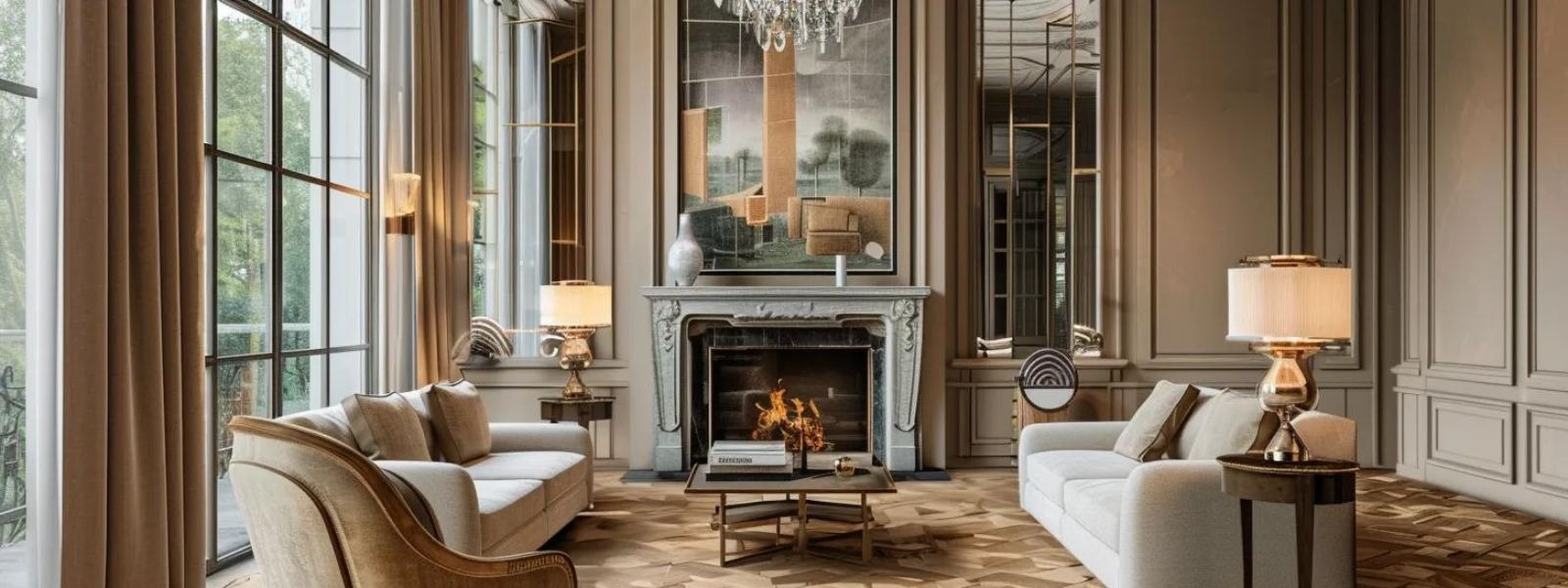
The best flooring options for luxury homes are hardwood, natural stone, large-format porcelain tile, and high-end engineered wood. According to the National Association of REALTORS Remodeling Impact Report, refinishing hardwood floors recovers 147% of the project cost at resale, and new wood flooring recovers 118%. These numbers make wood flooring the single highest-ROI interior upgrade a homeowner can make. This article breaks down each luxury flooring material, compares costs and durability, covers the latest 2026 design trends, and explains which options work best for South Florida homes in Coral Gables and the surrounding Miami-Dade communities.
What Type of Flooring Do Luxury Homes Use?
The type of flooring luxury homes use most often is hardwood, followed by natural stone, large-format porcelain tile, and high-end engineered wood. In homes valued above $750,000, buyers expect authentic, natural materials throughout the main living areas. According to a 2026 analysis by Hackrea, vinyl flooring in main living areas of homes valued over $750,000 actively repels luxury buyers who demand authentic materials.
Hardwood remains the gold standard. Solid oak, walnut, white oak, and hickory are the most popular species for high-end residential projects. Wide-plank formats in matte or satin finishes dominate the luxury market in 2025 and 2026, replacing the high-gloss look that was popular a decade ago. According to NAHB research, buyers today prefer natural variations and character in their flooring rather than uniform, factory-perfect surfaces.
Natural stone, including marble, travertine, and limestone, is a signature element in luxury homes across Coral Gables and South Florida. These materials bring a timeless quality that synthetic options cannot replicate. According to HomeAdvisor, natural stone flooring costs between $7 and $27 per square foot installed, but the visual impact and durability justify the investment in a high-end property.
Large-format porcelain tiles are gaining ground in luxury new construction. These tiles can mimic the look of marble or natural stone while offering superior durability and easier maintenance. In South Florida homes where moisture and humidity are constant concerns, porcelain tile performs exceptionally well in kitchens, bathrooms, and outdoor living areas.
Homeowners in Coral Gables who are building or renovating often start with a design-build custom home approach that integrates flooring selection into the overall architectural plan from day one.
Do Buyers Prefer LVP or Hardwood?
Buyers prefer hardwood over LVP in luxury and mid-to-upper price ranges. According to the NAR Remodeling Impact Report, new wood flooring recovers 118% of its cost at resale, while refinishing existing hardwood recovers 147%. These are the highest cost recovery rates of any interior remodeling project tracked by the report.
In homes priced above $400,000, appraisers and real estate agents consistently view hardwood as a premium feature that increases appraised value. According to a 2025 Floor Boys analysis, hardwood delivers a 70-80% ROI compared to luxury vinyl's 50-60% in terms of direct resale value contribution. The gap widens further in luxury markets where buyers are willing to pay a premium for natural materials.
That does not mean LVP has no place in a high-end home. In moisture-prone areas like laundry rooms, pool bathrooms, and basement spaces, a premium LVP product offers practical advantages that hardwood cannot match. The key is using each material where it makes the most sense rather than defaulting to one throughout the entire home.
In the Coral Gables market, where median home sale prices reached approximately $1.4 million in late 2025 according to Redfin, buyers walking through a showing notice the difference between real wood and vinyl immediately. Luxury buyers in Coconut Grove, Pinecrest, and Key Biscayne expect to see hardwood or natural stone in the main living areas, not synthetic alternatives.
Homeowners upgrading their flooring as part of a larger renovation project often combine the work with an interior space transformation that updates walls, lighting, and finishes alongside the new floors for a cohesive result.
What Is the Rule of 3 in Flooring?
The rule of 3 in flooring is a design guideline that says you should use no more than three different flooring materials throughout your entire home. This rule keeps the design cohesive and prevents the visual chaos that comes from mixing too many textures, colors, and materials from room to room.
A common approach in luxury homes is to use hardwood in the main living areas and bedrooms, natural stone or porcelain tile in bathrooms and wet areas, and a coordinating material, like a patterned tile or carpet, in accent spaces such as a home office or wine room. Keeping the transitions minimal and clean makes the home feel intentional and well-designed.
Interior designers working in the Coral Gables market frequently recommend using a single flooring material throughout as much of the main floor as possible. Wide-plank white oak running from the foyer through the living room, dining room, and kitchen creates a seamless flow that makes the home feel larger and more unified. According to Flooring America, using wide planks and large tiles in 2026 offers a sophisticated, high-end look that is both contemporary and timeless.
The exceptions to this rule are spaces with specific functional needs. Bathrooms require waterproof materials. Outdoor living areas need materials that withstand South Florida's sun, rain, and humidity. Pool decks need slip-resistant surfaces. These functional requirements justify a different material, but the colors and tones should still coordinate with the rest of the home.
Homeowners planning a luxury kitchen remodel in Coral Gables should select kitchen flooring that flows naturally into the adjacent living and dining areas, especially in an open concept layout where the floor is visible across the entire main level.
Is LVP Losing Popularity?
LVP is not losing popularity overall, but its role is changing. According to Floor Covering News, resilient flooring (which includes LVP) represented 34% of total dollar sales in 2023. It remains one of the best-selling flooring categories in the United States. However, in the luxury and high-end custom home market, LVP is being used more selectively rather than as a whole-home solution.
The shift is driven by buyer expectations. In homes priced below $400,000, LVP is an excellent choice that looks modern, performs well, and appeals to budget-conscious buyers. In homes above that threshold, and especially in the luxury tier, hardwood and natural stone command stronger buyer interest and higher appraisals.
Design trends for 2026 are also pushing the market toward more authentic materials. According to Decorilla's 2026 flooring trends report, the concept of "Quiet Luxury," which emphasizes subtle elegance, high-quality materials, craftsmanship, and muted palettes, is driving homeowners toward real wood and stone instead of synthetic alternatives. Matte finishes, wire-brushed textures, and warm wood tones like honey, caramel, and chestnut are replacing the cool gray LVP that dominated the previous decade.
For South Florida homeowners, the climate creates a valid case for LVP in specific rooms. Kitchens, mudrooms, laundry areas, and pool bathrooms benefit from LVP's waterproof properties. The best approach in a Coral Gables luxury home is a hybrid strategy: hardwood or stone in the main living areas and primary suite, with premium LVP in utility and wet spaces.
Families across Palmetto Bay and South Miami who are updating older homes often combine new flooring with a whole home renovation to create a consistent, modern aesthetic that flows from room to room.
What Flooring Is in Style for 2026?
The flooring in style for 2026 includes wide-plank hardwood in warm tones, matte and satin finishes, herringbone and chevron patterns, large-format porcelain tiles, and sustainably sourced natural materials. According to Flooring America's 2026 trend report, the dominant shift is away from cool grays and toward inviting warm tones like honey, caramel, and deep chestnut.
Matte and satin finishes are replacing high-gloss surfaces. These lower-sheen finishes hide scratches and dust better, create a warm atmosphere, and enhance the natural character of wood and stone. According to multiple flooring industry sources, wire-brushed and hand-scraped textures are among the most popular choices for luxury hardwood installations in 2026.
Herringbone and chevron patterns are back in a big way. These classic layouts bring movement and visual interest to foyers, dining rooms, and hallways. They work in both hardwood and luxury vinyl formats. In the Coral Gables market, herringbone oak in an entryway is a design choice that immediately signals quality and craftsmanship.
Large-format tiles are gaining traction for their ability to make spaces feel larger and more open. Fewer grout lines mean easier maintenance and a sleeker look. In bathrooms and kitchens, large-format porcelain that mimics the veining of marble delivers a luxury aesthetic without the maintenance demands of natural stone.
Radiant heated floors are also trending. Once considered a luxury splurge, heated flooring systems installed under tile, stone, or engineered wood are becoming standard in high-end renovations. In South Florida, radiant heating is less about warmth and more about the comfort of stepping onto a temperature-regulated surface, especially in bathroom remodels.
Homeowners pursuing a spa bathroom remodel in Coral Gables frequently pair heated floors with large-format porcelain or natural stone to create a resort-level experience in the primary suite.
What Is the 3/4/5 Rule for Flooring?
The 3/4/5 rule for flooring is a layout technique based on the Pythagorean theorem that installers use to create perfectly square corners when laying tile or hardwood. The rule states that if you measure 3 feet along one wall, 4 feet along the adjacent wall, and the diagonal between those two points equals exactly 5 feet, the corner is perfectly square.
This matters because most rooms are not perfectly square. Walls can be slightly off by fractions of an inch, and those small discrepancies become visible once flooring is installed. A skilled installer uses the 3/4/5 rule to establish a true starting line that keeps the flooring pattern straight and symmetrical throughout the room.
In luxury homes, where large-format tiles and wide-plank hardwood leave less room to hide imperfections, precision installation is critical. A tile that is off by even a small amount at the start of a room will compound that error across a large floor, resulting in uneven grout lines and visible misalignment at the walls.
This is one of many reasons why flooring installation in a high-end Coral Gables home should always be handled by experienced professionals who understand both the technical and aesthetic standards required in the luxury market. A structural remodeling and floor plan reconfiguration often includes subfloor leveling and preparation work that must be completed before any premium flooring material is installed.
Should You Put the Same Flooring Throughout the Entire House?
You should put the same flooring throughout the entire house in the main living areas for the most cohesive look, but you do not need to use it in every room. Design experts recommend consistent flooring across connected spaces like the kitchen, living room, dining room, and hallways. Bedrooms, bathrooms, and utility spaces can use different materials that coordinate in tone and style.
Using one continuous floor material throughout the main level makes the home feel larger, more open, and more intentional. According to multiple design sources, this approach is especially effective in open concept layouts where the floor is visible across multiple zones. Wide-plank hardwood or large-format tile running uninterrupted from the front door to the back wall creates a powerful visual statement.
In luxury homes across Coral Gables and Coconut Grove, the most common approach is hardwood throughout the main level with coordinating tile in the bathrooms. The primary suite may continue the hardwood into the bedroom while transitioning to natural stone or porcelain in the en-suite bathroom. The key is keeping the color palette consistent so transitions feel natural rather than jarring.
Outdoor areas in South Florida homes deserve their own material selection. Porcelain pavers, natural stone, and travertine are popular choices for covered patios, pool decks, and outdoor living and entertainment spaces that need to withstand direct sun, rain, and salt air.
Can Mold Grow Under Vinyl Plank Flooring?
Yes, mold can grow under vinyl plank flooring if moisture is trapped between the vinyl and the subfloor. While LVP itself is waterproof, it does not prevent moisture from accumulating underneath it. In South Florida's humid climate, this is a real concern, especially in ground-floor installations, homes built on slabs, and rooms with frequent water exposure.
According to the Environmental Protection Agency, mold can begin growing on damp surfaces within 24 to 48 hours. If water seeps under the edges of a floating vinyl floor, or if the concrete slab beneath releases moisture vapor, the dark, warm environment between the vinyl and the subfloor creates ideal conditions for mold growth.
Proper installation prevents this problem. A quality moisture barrier or underlayment should always be placed between the subfloor and the vinyl planks. The subfloor should be tested for moisture levels before installation. In Miami-Dade County, where humidity levels regularly exceed 70%, this step is especially important.
For homeowners in Coral Gables who are installing flooring in moisture-sensitive areas, working with an experienced contractor who understands South Florida's climate conditions is essential. Homes near the water in Key Biscayne and Miami Shores face even higher moisture risks and may benefit from home hardening and resiliency upgrades that address moisture management as part of a comprehensive renovation plan.
Luxury Flooring Comparison Table
Sources: NAR Remodeling Impact Report, HomeAdvisor, Floor Boys, Hackrea, Floor Covering News
This table shows that hardwood and natural stone command the highest resale value and longest lifespan, making them the clear winners for luxury homes. LVP and laminate serve important roles in specific applications but should not replace natural materials in the main living areas of a high-end property.
What Is the Healthiest Flooring for a Home?
The healthiest flooring for a home is hardwood, natural stone, or ceramic/porcelain tile with low-VOC or zero-VOC finishes. These materials do not trap allergens, dust mites, or pet dander the way carpet does. They are easy to clean and do not off-gas harmful chemicals when properly finished.
According to the American Lung Association, hard surface flooring is better for indoor air quality than carpet because it does not harbor allergens. Hardwood floors with water-based, low-VOC polyurethane finishes are among the healthiest options available. Natural stone and porcelain tile are inherently inert and do not release volatile compounds.
LVP and vinyl flooring have improved significantly in terms of indoor air quality over the past decade. Many manufacturers now offer products with low-VOC certifications like FloorScore or GreenGuard Gold. However, lower-quality vinyl products can still off-gas chemicals, especially in the first weeks after installation. Choosing a certified product from a reputable manufacturer is important.
For families in Coral Gables with young children or members who suffer from allergies or asthma, hardwood throughout the main living areas with tile in the bathrooms is the healthiest combination. Pairing healthy flooring choices with proper ventilation and humidity control creates the best possible indoor environment. Homes undergoing a full home remodel often integrate air quality improvements alongside new flooring for a comprehensive health upgrade.
Frequently Asked Questions
What Is the Best Flooring for Luxury Homes in Coral Gables?
The best flooring for luxury homes in Coral Gables is wide-plank hardwood in the main living areas paired with natural stone or large-format porcelain tile in bathrooms and wet areas. Buyers in Coral Gables, where median home prices reached approximately $1.4 million in late 2025 according to Redfin, expect authentic, high-quality materials. Hardwood delivers the highest resale value of any interior upgrade, recovering 118% of its cost for new installations according to the NAR Remodeling Impact Report.
How Much Does It Cost to Install Hardwood Flooring in South Florida?
The cost to install hardwood flooring in South Florida ranges from $8 to $25 per square foot, depending on the species, plank width, and installation method. Exotic species like Brazilian cherry cost more than domestic oak or hickory. According to HomeAdvisor, the national average for hardwood installation ranges from $4 to $29 per square foot. South Florida labor rates trend toward the higher end of that range due to demand and the specialized skills needed for humidity-sensitive installations.
Is Porcelain Tile a Good Choice for South Florida Homes?
Yes, porcelain tile is an excellent choice for South Florida homes. It is waterproof, scratch-resistant, and holds up well against the humidity, heat, and heavy rain common in Miami-Dade County. Large-format porcelain tiles that mimic the look of marble or natural stone are increasingly popular in luxury homes across Coral Gables and Coconut Grove. Porcelain costs between $10 and $40 per square foot installed according to HomeAdvisor and can last 50 years or more with minimal maintenance.
Does New Flooring Increase Home Value?
Yes, new flooring increases home value significantly. According to the NAR Remodeling Impact Report, new wood flooring recovers 118% of its cost at resale, making it one of the few interior projects that actually returns more than the homeowner spends. Refinishing existing hardwood floors is even more profitable, recovering 147% of the project cost. Tile, LVP, and laminate also increase value, but at lower rates than hardwood.
What Flooring Should I Avoid in a Luxury Home?
You should avoid low-quality laminate, builder-grade carpet, and cheap vinyl tile in a luxury home. These materials signal a lack of investment and can reduce buyer interest. In homes valued above $750,000, real estate experts recommend authentic hardwood, natural stone, or premium porcelain tile in the main living areas. Budget materials are acceptable in utility spaces like laundry rooms and garage entries, but they should never be the dominant flooring in a high-end property.
Is Engineered Hardwood as Good as Solid Hardwood for Resale?
Engineered hardwood is nearly as good as solid hardwood for resale in most markets. High-quality engineered products with a thick genuine wood veneer top layer are visually indistinguishable from solid wood. They also offer better moisture resistance, making them a strong choice for South Florida homes where humidity fluctuations can cause solid wood to expand and contract. Buyers and appraisers in the Coral Gables market view premium engineered hardwood favorably, especially when it is paired with professional installation and quality finishes.
Final Thoughts
Flooring is one of the most visible and impactful elements in any luxury home. The right material sets the tone for the entire property, influences buyer perception, and directly affects resale value. Data from the National Association of REALTORS, NAHB, and industry sources consistently shows that hardwood and natural stone deliver the strongest returns, the highest buyer satisfaction, and the longest lifespans of any flooring material.
For homeowners in Coral Gables, Coconut Grove, Pinecrest, Key Biscayne, and the surrounding South Florida communities, the best flooring strategy is a curated approach. Use hardwood or engineered wood in the main living areas and bedrooms. Select natural stone or premium porcelain for bathrooms and outdoor spaces. Reserve LVP for utility areas where waterproof performance matters most. Keep the color palette warm and consistent throughout.
Cutting Edge Innovative specializes in luxury home renovations and new construction across Miami-Dade County, including full flooring installations as part of comprehensive interior space transformations. Call (786) 957-7775 or visit the contact page to schedule a consultation and start planning your luxury flooring upgrade today.

Previous post

