
.png)


.png)

.png)


Blog
How Long Does a Full Home Renovation Take?
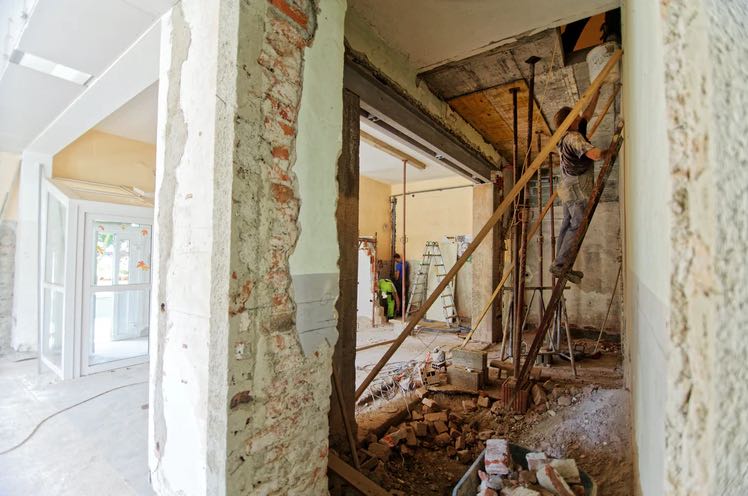
A full home renovation typically takes 4 to 12 months from the start of construction to final completion, depending on the size of the home, the scope of work, and the complexity of the project. According to the 2024 U.S. Houzz & Home Study, homeowners spend about twice as much time planning a renovation as they do building it. Kitchen renovations alone averaged 9.6 months of planning and 5.1 months of construction in 2023. For a whole-house project, the total timeline from first design meeting to move-in day can stretch well beyond a year when you factor in design, permitting, and material lead times. This article breaks down every phase of a full home renovation timeline so you know exactly what to expect and how to keep your project on track.
How Long Does a Full Home Renovation Take From Start to Finish?
A full home renovation takes 4 to 12 months of construction time from start to finish, with most whole-home projects landing in the 6 to 10 month range. This timeline covers demolition through final walkthrough and does not include the design and planning phase, which adds another 2 to 6 months on top of that.
The total duration depends on the scope of work. A cosmetic refresh with new paint, flooring, and fixtures can be done in 1 to 3 months. A mid-range renovation that includes a kitchen remodel, bathroom updates, and new flooring throughout typically takes 3 to 6 months. A gut renovation that involves structural changes, new plumbing, new electrical, and a full redesign of the floor plan can take 8 to 12 months or longer.
According to a Clever Real Estate survey, nearly 48% of homeowners said their last renovation took longer than expected, and 29% experienced significant setbacks. The best way to avoid timeline surprises is to plan thoroughly before the first hammer swings. Homeowners in Coral Gables who are considering a full home remodel should factor in extra time for the city's permitting process and architectural review requirements.
What Are the Phases of a Full Home Renovation?
The phases of a full home renovation are design and planning, permitting, demolition, structural work, rough-in systems (plumbing, electrical, HVAC), insulation and drywall, interior finishes, exterior work, and final inspections. Each phase has its own timeline, and delays in one stage can push back everything that follows.
Here is how a typical full home renovation breaks down phase by phase.
How Long Does the Design and Planning Phase Take?
The design and planning phase takes 2 to 6 months for a full home renovation. This is the stage where you work with an architect or designer to create floor plans, choose materials, set a budget, and finalize the scope of work. According to the 2024 Houzz & Home Study, homeowners spend about twice as much time planning as they do building, across all rooms.
Rushing through this phase is one of the biggest mistakes homeowners make. Every decision you skip or delay during planning becomes a change order during construction, and change orders cost more money and add more time. Investing in thorough planning upfront is the single best way to keep your renovation on schedule.
For homeowners in Coral Gables and the greater Miami area, the design phase may also include selecting materials that meet Miami-Dade County's High Velocity Hurricane Zone (HVHZ) requirements. Impact-rated windows, doors, and roofing products often have lead times of 16 to 24 weeks, so placing orders early is critical.
How Long Does It Take to Get a Renovation Permit?
It takes 2 to 12 weeks to get a renovation permit, depending on your location and the scope of the project. Simple permits for cosmetic work may be approved in a few days. Permits for structural changes, plumbing, electrical, or HVAC work take longer because they require plan review by the local building department.
In Coral Gables, the permitting process is more involved than in most cities. The City of Coral Gables requires architectural review board approval in addition to standard building permits. Miami-Dade County's plan review process for projects involving hurricane resistance calculations, structural engineering, and flood zone compliance can take 8 to 16 weeks. According to Houzz, the average wait time to hire a U.S. construction firm for a midsize renovation was 4.8 weeks before work even begins.
A builder who knows the Coral Gables permitting system inside and out can help speed up the process. Incomplete permit applications are one of the most common causes of delays, and an experienced contractor will submit complete packages the first time. Families in the Miami area can find more details on local rules through resources about permit requirements for home renovation in Coral Gables.
How Long Does the Demolition Phase Take?
The demolition phase takes 1 to 3 weeks for a full home renovation. During this stage, the crew removes old finishes, fixtures, cabinets, flooring, drywall, and any structural elements that are being replaced or reconfigured. For a gut renovation, demolition may also include removing non-load-bearing walls and stripping the home down to the studs.
Demolition is also the stage where hidden problems show up. Mold, water damage, outdated wiring, termite damage, and structural issues are all common discoveries behind walls and under floors in older homes. In Coral Gables, where many homes are 40 to 70 years old, these surprises are not unusual. The Today's Homeowner survey found that materials and timeline delays were the most costly factors in home renovation projects, and hidden damage discovered during demolition is a major contributor.
How Long Does Structural Work Take During a Renovation?
Structural work takes 2 to 6 weeks during a full home renovation, depending on the extent of the changes. This phase includes reinforcing or replacing load-bearing walls, reconfiguring the floor plan, adding beams or columns, and any foundation repairs. Structural work requires engineering plans and inspections, which adds time.
In South Florida, structural work must also account for hurricane code compliance. Any modifications to load-bearing elements require updated wind load calculations and structural engineering sign-off. Homeowners in Coral Gables who are reconfiguring their floor plan will need their contractor to coordinate closely with a structural engineer throughout this phase. The team at Cutting Edge Innovative handles structural remodeling and floor plan reconfiguration as part of their full home remodel services.
What Is the Hardest Room to Renovate?
The hardest room to renovate is the kitchen. Kitchens involve the most trades (plumbing, electrical, HVAC, cabinetry, countertops, flooring, and appliances), the most material selections, and the most complex coordination. According to the 2024 Houzz & Home Study, kitchen renovations had the longest combined timeline of any room, with an average of 9.6 months of planning and 5.1 months of construction.
Bathrooms are the second hardest room to renovate. A full master bathroom remodel typically takes 5 to 8 weeks of construction time, with planning and permitting adding another 2 to 5 weeks. The tight spaces, waterproofing requirements, and plumbing complexity make bathrooms one of the most labor-intensive renovation projects per square foot.
The median spend on kitchen renovations in 2024 was $22,000, while primary bathroom renovations came in at $13,000, according to the 2025 Houzz & Home Study. For major remodels of small kitchens (under 200 square feet), the median spend rose 9% year-over-year to $35,000 in 2024. These numbers reflect why kitchens and bathrooms are the most complex and expensive rooms to renovate. Homeowners looking for ways to maximize their return on a kitchen project often benefit from learning which kitchen remodel upgrades add the most value.
How Long Does It Take to Renovate a 1,000 Square Foot Home?
It takes about 3 to 5 months to renovate a 1,000-square-foot home, assuming a mid-range scope of work that includes updated kitchens and bathrooms, new flooring, fresh paint, and updated electrical and plumbing. A cosmetic-only update on a home this size could be finished in 4 to 8 weeks. A gut renovation with structural changes could take 6 months or more.
Square footage is not the only factor. A small home with complex work, such as a historic property in Coral Gables that needs updated wiring, new plumbing, hurricane upgrades, and architectural review board approval, can take just as long as a larger home with simpler finishes. The scope of work matters more than the size of the home.
What Is the 30% Rule for Renovations?
The 30% rule for renovations states that you should not spend more than 30% of your home's current market value on a renovation project. This guideline helps homeowners avoid over-improving their property relative to the surrounding neighborhood, which can make it hard to recoup the investment at resale.
For example, if your home is worth $500,000, the 30% rule suggests keeping your renovation budget at or below $150,000. In high-value markets like Coral Gables, where home values are significantly above the national median, homeowners have more room to invest in quality renovations while staying within this guideline. The 30% rule is a starting point, not an absolute limit. The 30% rule works best when combined with a detailed budget and a realistic scope of work.
What Is the Most Expensive Part of a Renovation?
The most expensive part of a renovation is typically the kitchen, followed by bathrooms and structural work. According to the NAHB 2024 Cost of Construction Survey, interior finishes account for 24.1% of total construction costs in new builds, and the same principle applies to renovations. Cabinets, countertops, flooring, lighting, and appliances add up fast.
The 2025 Houzz & Home Study reported that the median spend for a major remodel of a large kitchen (200 square feet or more) held steady at $55,000 for the third year in a row. Bathroom renovations for primary bathrooms saw a median spend of $13,000 in 2024. Structural work, including removing or moving load-bearing walls, adding beams, and reinforcing foundations, can also be one of the costliest parts of any renovation.
In South Florida, hurricane code compliance adds to the cost. Impact windows, reinforced roofing, and structural upgrades required by Miami-Dade County's HVHZ standards are not optional, and they can add $10,000 to $50,000 or more to a full home renovation depending on the number of openings and the scope of work. Homeowners who want a clear picture of where their money goes should read about the most expensive parts of renovating a house.
What Causes Delays in a Full Home Renovation?
The most common causes of delays in a full home renovation are permitting wait times, material lead times, hidden damage discovered during demolition, change orders from the homeowner, weather, and subcontractor scheduling conflicts. According to the Clever Real Estate survey, 41% of homeowners experienced significant delays during their last renovation.
Material lead times are one of the biggest factors. Custom cabinets can take 4 to 12 weeks to arrive. Impact-rated windows and doors approved for Miami-Dade County may require 16 to 24 weeks of lead time. Specialty tile, custom countertops, and imported fixtures all add wait time. Ordering materials as early as possible in the design phase is one of the best ways to keep your project on schedule.
Change orders are another major cause of delays. A survey by Today's Homeowner found that nearly 50% of homeowners had their renovation timeline extended past their original expectations, and 80% went over budget by at least $500. Making firm design decisions before construction starts prevents the back-and-forth that slows everything down.
In Coral Gables, permitting delays are a real concern. The city's architectural review process, combined with Miami-Dade County's plan review timeline, can add months to the pre-construction phase if applications are incomplete or revisions are required. Working with a contractor who has strong local experience eliminates many of these bottlenecks.
Can You Live in Your Home During a Full Renovation?
Yes, you can live in your home during a full renovation, but it depends on the scope of the work and your tolerance for disruption. Cosmetic renovations and room-by-room projects are usually manageable. A gut renovation that involves removing walls, replacing plumbing, or rewiring the entire house is much harder to live through.
When the kitchen and all bathrooms are out of service at the same time, most families find it easier and safer to move out temporarily. Dust, noise, and the presence of work crews during the day can make daily life difficult. A phased renovation, where the contractor completes one section of the home before moving to the next, allows you to stay in the house while still making progress.
Your contractor should help you plan for this. A good renovation team will build a construction schedule that accounts for your living situation. At Cutting Edge Innovative, the team creates phased schedules that balance project efficiency with homeowner comfort. Learn more about how to manage the process in surviving a renovation without destroying your relationship.
How Do You Keep a Full Home Renovation on Schedule?
You keep a full home renovation on schedule by planning thoroughly before construction starts, making all design decisions early, ordering materials with long lead times immediately, hiring an experienced contractor, and avoiding change orders during the build. Communication between the homeowner and the contractor is the single most important factor in staying on track.
A Levelset construction industry survey found that fewer than 30% of construction businesses say they always finish projects on time and within budget. Nearly 70% of contractors said poor jobsite coordination is the primary reason projects run over schedule or over budget. Choosing a contractor with strong project management systems, clear communication habits, and a reliable network of subcontractors dramatically improves your odds of a smooth project.
Other practical tips include setting a realistic contingency budget of 10% to 20% for unexpected issues, visiting the jobsite regularly to stay informed, and responding quickly when your contractor needs decisions from you. Every day you delay a decision during construction is a day your timeline stretches.
Full Home Renovation Timeline by Project Scope
Renovation TypeConstruction TimeTotal Time (With Planning)Cosmetic Refresh (paint, flooring, fixtures)1 to 3 months2 to 4 monthsMid-Range Renovation (kitchen, bathrooms, flooring)3 to 6 months5 to 9 monthsFull Gut Renovation (structural changes, new systems)6 to 12 months9 to 18 monthsKitchen Remodel Only6 to 12 weeks4 to 8 months (includes 9+ months planning avg.)Bathroom Remodel Only3 to 10 weeks2 to 5 monthsHome Addition3 to 5 months6 to 10 months
Sources: 2024 U.S. Houzz & Home Study, Seanote Construction, Revive Real Estate, Carey Bros. Remodeling. Timelines are estimates and vary based on project complexity, location, and contractor availability.
Is $100,000 Enough to Renovate a House?
Yes, $100,000 is enough to renovate a house in many cases, but the scope of work will depend on your location and the condition of the home. According to the 2024 Houzz & Home Study, the median spend for home renovations in 2023 was $24,000, while the top 10% of spenders reached $150,000. A $100,000 budget puts you in the upper range of most renovations and is enough to cover a significant remodel of multiple rooms.
In Coral Gables, $100,000 can fund a strong kitchen remodel and a primary bathroom renovation with mid-range to high-end finishes. A full gut renovation of the entire home on this budget would be limited, especially once you factor in hurricane code upgrades, permit fees, and structural work. For a whole-home renovation in the Miami area, many homeowners budget $150,000 to $300,000 or more depending on the size and condition of the property.
The key is to prioritize. Start with the rooms and systems that matter most to you, and spend your money where it adds the most value. A luxury kitchen remodel often delivers the highest return on investment, followed by primary bathroom renovations and outdoor living spaces.
Does a Full Home Renovation Increase Home Value?
Yes, a full home renovation does increase home value. According to the Today's Homeowner survey, 57% of homeowners reported an increase in their home's appraisal value after completing a renovation, and 93% said the renovation was worth the time, money, and temporary discomfort. The National Association of Realtors Remodeling Impact Report consistently shows that kitchen and bathroom renovations deliver the strongest returns.
In Coral Gables and the greater Miami market, renovated homes sell faster and for higher prices than unrenovated ones. Buyers in this area expect updated kitchens, modern bathrooms, impact-rated windows, and energy-efficient systems. A full renovation that brings an older home up to current standards can add significant equity.
The features that boost value the most include open floor plans, updated kitchens with modern appliances, spa-style bathrooms, outdoor living areas, and smart home technology. To learn more about which upgrades deliver the best return, explore information about which features add the most value to a home.
Frequently Asked Questions
How Long Does a Whole Home Renovation Take in Coral Gables?
A whole home renovation in Coral Gables typically takes 6 to 12 months of construction time, plus 3 to 6 months for design, permitting, and architectural review. Coral Gables has stricter permitting requirements than many Florida cities, including mandatory architectural review board approval and compliance with Miami-Dade County's HVHZ building codes. Material lead times for impact-rated windows and custom products can add 16 to 24 weeks to the pre-construction timeline.
How Long Does a Kitchen Renovation Take?
A kitchen renovation takes 6 to 12 weeks of construction time for a standard remodel. Comprehensive kitchen overhauls that include structural changes, custom cabinetry, and high-end finishes can take 12 weeks or more. According to the 2024 Houzz & Home Study, the average planning time for a kitchen remodel was 9.6 months, making it the longest planning phase of any room in the home.
How Long Does a Bathroom Renovation Take?
A bathroom renovation takes 3 to 10 weeks of construction time, depending on the size and complexity of the project. A small hall bathroom remodel can be completed in about 3 weeks. A full master bathroom renovation with layout changes, custom tile, and new plumbing typically takes 5 to 8 weeks. Planning, design, and permitting add another 2 to 5 weeks on top of the construction time.
What Is the Best Time of Year to Start a Renovation in South Florida?
The best time of year to start a renovation in South Florida is during the dry season, from November through April. This period has less rain and lower humidity, which is better for exterior work, painting, and material storage. Contractors in the Coral Gables and Miami area are often busiest from January through March, so booking early gives you the best chance of getting your preferred start date.
How Much Should I Budget for Unexpected Costs During a Renovation?
You should budget 10% to 20% of your total renovation cost for unexpected expenses. According to the Clever Real Estate survey, 78% of homeowners went over budget on their last renovation. Common surprises include hidden water damage, outdated wiring, termite damage, and mold discovered behind walls. In older Coral Gables homes, these issues are especially common, so a contingency fund is not optional.
Do I Need a Permit for a Home Renovation in Miami-Dade County?
Yes, you need a permit for most home renovations in Miami-Dade County. Permits are required for any work that involves structural changes, plumbing, electrical, HVAC, roofing, or new windows and doors. Even some cosmetic work, like replacing impact-rated windows with different products, requires a permit in the HVHZ. Building permits in Florida typically cost between $1,000 and $4,000, according to HomeAdvisor, and multiple trade-specific permits may be needed for a full renovation.
How Do I Choose the Right Contractor for a Full Home Renovation?
You choose the right contractor for a full home renovation by looking for local experience, proper licensing, a strong portfolio of completed work, transparent pricing, and positive references. In Coral Gables and Miami-Dade County, it is especially important to work with a contractor who has experience with the local permitting process and HVHZ building code requirements. A design-build firm that handles both design and construction under one roof can streamline the process and reduce the risk of miscommunication between separate design and construction teams.
Final Thoughts
A full home renovation is a major commitment of time, money, and energy. The timeline varies based on the scope of work, but most whole-home projects take 6 to 12 months once construction begins, plus several months of planning and permitting. The homeowners who have the smoothest experience are the ones who plan thoroughly, make decisions early, budget for the unexpected, and work with a contractor they trust.
In Coral Gables and across South Florida, the permitting process, hurricane code requirements, and material lead times add extra layers of complexity that demand local expertise. If you are planning a full home renovation, Cutting Edge Innovative brings decades of combined experience to every project, managing design, engineering, and construction with precision and clarity. Their team specializes in whole home renovations that transform South Florida homes from the ground up. Call (786) 957-7775 or request a quote today to start planning your renovation the right way.

Previous post

