
.png)


.png)

.png)


Blog
How Coastal Construction Differs From Inland Building?
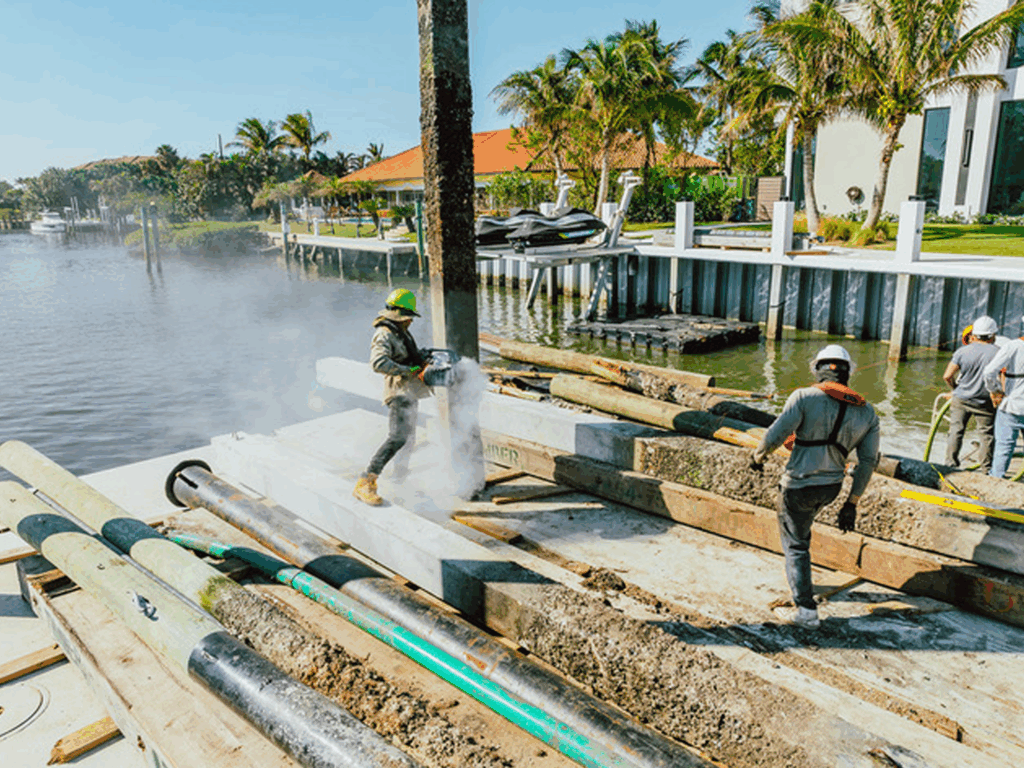
Coastal construction differs from inland building in several important ways, including stricter building codes, stronger foundation requirements, corrosion-resistant materials, higher wind load ratings, and elevated flood protection standards. Homes built near the shoreline in places like Coral Gables and Miami-Dade County face salt air, storm surge, wave action, and erosion that inland homes simply do not. According to the Federal Emergency Management Agency (FEMA), buildings in coastal zones may be exposed to flooding, erosion, wave effects, and high winds all at the same time. This article breaks down every key difference between coastal and inland construction so homeowners in South Florida can make smarter building decisions.
What Is the Difference Between Coastal and Inland Construction?
The difference between coastal and inland construction is that coastal building must account for flood risk, saltwater corrosion, high-velocity winds, wave action, and shoreline erosion, while inland building focuses mainly on soil conditions, standard wind loads, and stormwater drainage. According to the International Building Code (IBC), coastal structures in Special Flood Hazard Areas must include specific documentation proving the building can withstand high winds and flooding without collapsing, floating, or shifting.
Inland homes are typically built on slab-on-grade or shallow foundations. The engineering is simpler because these homes do not face direct wave impact or tidal forces. Coastal homes in Coral Gables and across Miami-Dade County need deep pile foundations, elevated structures, and materials that resist saltwater damage over decades.
The National Association of Home Builders (NAHB) reported that construction costs accounted for 64.4% of the average price of a new home in 2024, a record high since 1998. For coastal builds, that percentage climbs even higher because of specialized engineering, premium materials, and extended permitting timelines. Homeowners planning a waterfront or coastal home build need a contractor who knows these differences inside and out.
What Are the Foundation Requirements for Coastal Homes vs. Inland Homes?
The foundation requirements for coastal homes are much stricter than those for inland homes. Coastal homes often need deep pile foundations that resist erosion, scour, and lateral forces from waves and wind. Inland homes can use standard slab-on-grade or crawlspace foundations because they do not face the same forces.
FEMA's Coastal Construction Manual states that homes in V Zones (areas with high-velocity wave action) must elevate the bottom of the lowest horizontal structural member to or above the base flood elevation. The National Flood Insurance Program (NFIP) may also require coastal homes to be elevated to at least the Base Flood Elevation (BFE), which is the expected water height during a 100-year flood event. Research published in the Journal of Coastal Research found that properly designed pile foundations can protect against scour depths of up to 10 feet during major storms.
Inland foundations in areas like central Florida are designed mainly to handle wind and seismic loads. According to Pile Buck Magazine, long-standing building codes and decades of reliable data guide inland foundation design. Coastal foundation codes, by contrast, are newer and still evolving. Performance-based flood standards were first introduced in 1995, and there still is not enough data to create fully prescriptive codes for every coastal scenario.
Homes in the Coral Gables area that sit near Biscayne Bay or other waterways often fall within FEMA flood zones that demand elevated construction. Slab foundations, crawlspaces, and basements are not permitted for coastal structures in high-risk zones. The right foundation is the single biggest factor in whether a coastal home survives a hurricane or does not.
Why Are Building Codes Stricter for Coastal Construction in Florida?
Building codes are stricter for coastal construction in Florida because coastal homes face hurricane-force winds, storm surge, wave action, and saltwater corrosion that can destroy structures built to standard inland specifications. The Florida Building Code (FBC), now in its 8th Edition effective December 2023, is one of the most demanding building codes in the United States.
Hurricane Andrew in 1992 destroyed over 25,000 homes and exposed serious weaknesses in local building codes. That disaster led Florida to create a single statewide code in 2002 with strict requirements for wind resistance, impact protection, and flood elevation. More recently, Hurricane Ian in 2022 caused over $112 billion in losses and triggered fresh reviews of construction standards across the state.
Miami-Dade and Broward counties fall within the High Velocity Hurricane Zone (HVHZ), which enforces the toughest standards in the nation. The design wind speed for Risk Category II buildings in this zone is 175 mph (3-second gust). Every exterior building component must have a valid Miami-Dade County Notice of Acceptance (NOA), meaning it has been lab-tested for wind pressure, impact resistance, and installation durability.
Homeowners in Coral Gables building or renovating near the coast must meet these HVHZ standards. A builder experienced in South Florida's coastal codes can navigate the permitting process and make sure every detail passes inspection. That is why choosing a team that specializes in new construction in Miami matters so much for coastal projects.
What Materials Are Best for Coastal Home Construction?
The best materials for coastal home construction are marine-grade concrete, stainless steel hardware, pressure-treated lumber, fiber cement siding, impact-resistant windows, and corrosion-resistant metal roofing. These materials resist the salt air, moisture, and UV exposure that break down standard building materials much faster near the coast.
According to FEMA's Home Builder's Guide to Coastal Construction (FEMA 499), all coastal buildings will require more maintenance and repairs than inland construction. The guide recommends using concrete with a minimum of 5,000 psi and a water-cement ratio no higher than 0.40 for coastal applications. Standard inland concrete mixes will not hold up to the chloride exposure found in coastal environments.
Metal corrosion is most severe on coastal properties within 3,000 feet of the ocean, according to the Dahlstrom Roll Form company, a specialty metal manufacturer. Marine-grade stainless steel (316L) can last 50 to 100 years in coastal environments, while standard galvanized steel may fail in just a few years without proper coatings. The American Concrete Institute has noted that coastal structures can experience a lifespan reduction of up to 50% when standard materials are used instead of corrosion-resistant alternatives.
Inland homes have much more flexibility with materials. Standard asphalt shingles, wood siding, regular steel fasteners, and conventional windows all perform well when there is no salt exposure. This is one of the biggest reasons coastal construction in areas like Coral Gables costs more than building a comparable home further inland.
Do Coastal Homes Need Impact-Resistant Windows and Doors?
Yes, coastal homes in Florida's wind-borne debris regions need impact-resistant windows and doors. The Florida Building Code requires that all glazed openings in wind-borne debris regions must be either impact-resistant or protected by an approved impact-resistant covering, such as hurricane shutters.
Wind-borne debris regions include areas within 1 mile of the coastal mean high water line where the ultimate design wind speed is 130 mph or greater (Wind Zone 3), and anywhere the design wind speed hits 140 mph or more (Wind Zone 4). In Miami-Dade and Broward counties, the HVHZ standards are even stricter. Windows and doors must withstand wind speeds of 170 to 200 mph and pass projectile impact tests using a 9-pound 2x4 wood stud fired at the glass.
Inland homes in Florida still need to meet wind resistance standards, but the requirements are less intense. Many inland areas fall within lower wind zones where standard windows with storm shutters can meet code. However, the 2023 FBC update nearly doubled the number of areas requiring high-impact, missile-resistant windows, pushing these requirements further inland than ever before.
For homeowners in Coral Gables, home hardening and resiliency upgrades that include HVHZ-certified impact systems are not optional. They are required by code and they protect your family during the next major storm.
How Does Salt Air Affect Coastal Buildings Compared to Inland Structures?
Salt air affects coastal buildings by accelerating corrosion on metal components, degrading concrete reinforcement, promoting mold growth, and breaking down exterior finishes much faster than what inland structures experience. Inland buildings face normal weathering from rain and sun but do not deal with the constant chemical attack of airborne salt.
Wind-blown salt spray can travel considerable distances from the shoreline, but the most severe damage happens within 3,000 feet of the ocean. The salt dissolves in Florida's high humidity and forms an electrolyte solution on metal surfaces, speeding up rust and pitting. According to a Florida-based corrosion protection specialist, HVAC systems in coastal homes last only 5 to 7 years without proper maintenance, compared to 10 to 15 years with corrosion-resistant materials and regular upkeep.
Concrete is also vulnerable. Salt penetrates through tiny cracks and corrodes the steel reinforcement inside. Over time, the steel expands as it rusts, cracking the concrete from the inside out. This process, called spalling, can weaken an entire structure if left unchecked.
Homeowners across Miami-Dade County who live near the water should plan for more frequent maintenance cycles. Using stainless steel fasteners, applying protective coatings, and washing exterior surfaces regularly are all part of owning a coastal home. Builders who understand South Florida's coastal environment, like those handling full home remodels in the area, know how to specify materials that minimize long-term salt damage.
Is It More Expensive to Build on the Coast Than Inland?
Yes, it is more expensive to build on the coast than inland. Coastal construction costs more because of specialized engineering, premium corrosion-resistant materials, deeper foundations, extended permitting timelines, and higher insurance requirements. According to Engineering News-Record (ENR) construction cost indexes from September 2025, coastal metro areas have seen higher increases in steel and cement costs compared to Southern and Midwestern inland markets.
Insurance is another major cost factor. Data from Harbour Insurance Agency shows that flood insurance for homes in high-risk VE coastal zones in Florida can run $6,000 to $15,000 or more per year. Homes in moderate-risk inland zones typically pay $500 to $1,200 annually. The average cost of homeowners insurance in Florida exceeded $5,700 in 2025, according to Bankrate, which is more than $3,350 above the national average. Coastal properties push that number even higher.
The U.S. Census Bureau reported that total construction spending in 2024 reached $1.696 trillion nationally. Residential construction alone was $929.5 billion. Within that, coastal builds in hurricane zones carry a significant premium over comparable inland projects due to every factor described above.
For homeowners considering a coastal build in Coral Gables, the upfront investment is higher, but the long-term value of a properly built coastal home is strong. Properties constructed with hurricane-resistant features, flood mitigation, and premium finishes hold their value and perform better in storms.
What Are the Flood Zone Requirements for Coastal vs. Inland Construction?
The flood zone requirements for coastal construction are more demanding than for inland construction. Coastal properties fall into FEMA-designated V Zones (high-velocity wave action areas) and Coastal A Zones, which require elevated foundations, open pile construction, and structures that can resist wave forces. Inland flood zones, typically designated as A or AE Zones, require elevation above the BFE but allow more traditional foundation types.
According to FEMA, high-risk coastal V Zones have more than a 1% chance of flooding each year and a 26% chance of flooding over the life of a 30-year mortgage. Homes in these zones cannot be built on slab foundations, crawlspaces, or solid wall foundations. Even elevated solid walls are not recommended because floodwater forces can destroy them.
FEMA also notes that over 20% of National Flood Insurance Program claims come from properties in low-to-moderate risk areas, so even inland properties are not immune to flooding. However, inland flood requirements are simpler to meet. Drainage design and soil stabilization are the primary concerns rather than direct interaction with wave forces and tidal surge.
Many jurisdictions now require freeboard, which is extra elevation above the BFE, typically 1 to 2 additional feet. Each additional foot above BFE can significantly reduce NFIP premiums. In Coral Gables and surrounding Miami-Dade communities, permit requirements for home renovation include strict compliance with local floodplain ordinances on top of state and federal rules.
What Are the Wind Load Differences Between Coastal and Inland Homes?
The wind load differences between coastal and inland homes are significant. Coastal homes must be engineered for much higher wind speeds, stronger structural connections, and closer nailing patterns on sheathing, siding, and roof shingles. Inland homes still need wind resistance, but the design loads are lower because wind speeds decrease with distance from the coast.
The Florida Building Code, using the ASCE 7-22 standard, assigns different design wind speeds based on location. In Miami-Dade County's HVHZ, the design wind speed for standard residential construction is 175 mph. Broward County requires 140 mph minimum. Many inland Florida counties fall in the 110 to 130 mph range. The difference between designing for 130 mph and 175 mph is enormous in terms of structural connections, roof tie-downs, and wall bracing.
All structures in Florida's HVHZ must be classified as Exposure Category C, which assumes open terrain with scattered obstructions, the kind of environment found along coastlines. Inland areas with dense trees and buildings may qualify for Exposure Category B, which reduces the calculated wind pressure on structures.
Coastal homes in Coral Gables need every connection in the load path, from the roof to the foundation, engineered to handle these extreme forces. Builders experienced with design-build custom homes in Coral Gables know how to engineer these systems so they meet code without compromising the home's design.
How Does Coastal Erosion Affect Home Construction Near the Shoreline?
Coastal erosion affects home construction near the shoreline by undermining foundations, destroying land, and threatening roads, utilities, and infrastructure over time. Builders must account for long-term shoreline changes when designing coastal foundations, setbacks, and drainage systems.
According to the U.S. Army Corps of Engineers, maintaining beaches in Miami-Dade County over the next 50 years will require roughly 20 million cubic yards of sand. Since the early 1990s, Florida has spent $393 million on beach sand replacement alone. This gives a sense of how rapidly coastal land can shift and why construction setbacks from the shoreline are so important.
FEMA data from Hippo Insurance reports that Miami-Dade County is expected to see 10 to 17 inches of sea level rise by 2040. According to Yale Environment 360, the sea at the southern tip of Florida has already risen about a foot since the 1900s, and nearly 5 inches since 1993. These changes directly impact where and how homes can be built along the coast.
Miami-Dade County's Sea Level Rise Strategy found that building-level adaptations such as floodproofing and elevation will generate $9 for every $1 invested through 2040. For homeowners in Coral Gables, this means building or renovating with sea level rise in mind is not just smart, it is financially sound. Consulting a builder who understands coastal conditions is a critical first step.
What Roofing Is Best for Coastal Homes vs. Inland Homes?
The best roofing for coastal homes includes galvanized steel, aluminum, concrete tile, and standing seam metal systems rated for high-wind and salt-air environments. Inland homes can use standard asphalt shingles, wood shakes, or conventional tile with fewer concerns about corrosion and uplift.
In coastal zones, roofing must pass stringent wind uplift tests. The Florida Building Code requires nailing patterns in coastal areas to be much more aggressive than inland zones. Coastal nailing patterns use closer spacing to resist the higher wind pressures generated by hurricanes. According to The Shingle Master, a roofing industry resource, many best practices developed for coastal areas are now being adopted inland to protect against severe thunderstorms and tornadoes.
Metal roofing is popular in South Florida because it resists wind, sheds water quickly, and can last 40 to 60 years in coastal environments with proper coatings. However, the wrong metal will corrode fast. Architectural zinc products can last 80 years or more in marine environments, according to Metal Construction News. Standard steel roofing without protective coatings will fail in a fraction of that time near the ocean.
For homeowners in Coral Gables planning a renovation, roof selection is one of the most important decisions for both protection and long-term value. A roof that meets HVHZ standards and uses corrosion-resistant materials will add significant value to a home while providing the protection South Florida demands.
What Are the Disadvantages of Living in a Coastal Area?
The disadvantages of living in a coastal area include higher construction costs, more expensive insurance, stricter building codes, greater exposure to hurricanes and flooding, accelerated material wear from salt air, and ongoing maintenance needs that exceed those of inland homes.
Flood insurance alone can be a major burden. According to LendingTree, NFIP flood insurance rates in Florida range from $610 per year in low-risk zones to $2,412 per year in higher-risk areas. High-risk coastal V Zone properties can pay far more. Bankrate data shows the average Florida homeowners insurance rate in 2025 was over $5,700, more than double the national average.
Coastal homes also face regulatory complexity. Projects may need approval from the city, county, state environmental agencies, FEMA, and potentially the U.S. Army Corps of Engineers if the build impacts wetlands or waterways. According to the National Institute of Standards and Technology, about 40% of construction projects face delays due to compliance challenges, and coastal builds often have even more layers of review.
Despite these disadvantages, coastal living in South Florida offers a lifestyle that millions of people want. The key is building right from the start, using the correct materials, meeting every code requirement, and working with a contractor who knows how to handle coastal construction challenges. Many homeowners in Coral Gables find that the benefits of waterfront living far outweigh the costs when the home is built properly.
Is It Better to Live on the Coast or Inland?
Whether it is better to live on the coast or inland depends on your lifestyle, budget, and priorities. Coastal living offers waterfront views, ocean access, outdoor recreation, and strong long-term property values. Inland living typically offers more affordable construction, lower insurance costs, simpler permitting, and less maintenance.
Inland areas in South Florida often provide more lot space for the money. Homeowners may be able to build a larger home or add features like a pool, outdoor kitchen, or detached garage for the same budget as a smaller coastal build. The cost to add an in-law suite or guest house is generally lower inland because foundation and material requirements are less demanding.
Coastal properties, however, tend to hold strong resale values because of limited supply and high demand. In Florida, $69 billion worth of property is at risk of flooding in the next 15 years, according to the National Wildlife Federation, and beachfront property in Miami-Dade alone is valued at more than $14.7 billion. That value reflects the desirability of coastal living, even with the added costs.
For homeowners in Coral Gables weighing their options, the decision often comes down to working with a builder who can deliver quality construction in either setting. Whether building near the water or further inland, home renovation projects in Miami-Dade County all benefit from experienced craftsmanship and attention to local building requirements.
What Are the Elements of Coastal Design for Homes?
The elements of coastal design for homes include elevated foundations, open floor plans that promote airflow, corrosion-resistant materials, impact-rated windows and doors, reinforced roof systems, proper drainage and grading, and exterior finishes that withstand salt, wind, and UV exposure.
Beyond the structural elements, coastal design in South Florida also incorporates features that take advantage of the waterfront setting. Large windows, covered outdoor living spaces, and seamless indoor-outdoor transitions are common in Coral Gables homes near the bay. These design choices enhance lifestyle while still meeting the strict performance requirements of the Florida Building Code.
According to the U.S. Bureau of Labor Statistics' August 2025 Producer Price Index, construction input costs were up 1.7% year-over-year. Premium coastal materials like marine-grade concrete, stainless steel, and impact glass carry additional premiums on top of that baseline increase. Planning for these material costs early in the design process helps avoid budget surprises during construction.
Thoughtful coastal design also plans for long-term resilience. Features like whole-home generators, elevated electrical panels, flood vents, and eco-friendly building materials all play a role in making a coastal home comfortable, safe, and efficient for decades.
What Flooring Is Best for Coastal Homes?
The best flooring for coastal homes includes porcelain tile, natural stone, polished concrete, luxury vinyl plank, and marine-grade engineered hardwood. These materials resist moisture, humidity, and the occasional water exposure that coastal homes experience more than inland properties.
Standard hardwood floors can warp, cup, and buckle in high-humidity coastal environments. Carpet traps moisture and promotes mold growth near the shore. FEMA recommends that all building materials below the Base Flood Elevation be resistant to flood damage. That means ground-level flooring in coastal homes must be able to survive water contact without needing full replacement.
Porcelain tile and natural stone are the most popular choices in Coral Gables waterfront homes because they handle heat, humidity, and water without any issues. They also pair well with the contemporary and Mediterranean architectural styles common across South Florida. For homeowners considering a luxury kitchen remodel, choosing the right flooring ties the whole design together while meeting coastal performance needs.
How Long Does Coastal Construction Take Compared to Inland Building?
Coastal construction typically takes longer than inland building because of additional permitting layers, stricter inspections, weather-related delays, and the complexity of building to higher engineering standards. Inland projects usually move faster with fewer regulatory hurdles.
Coastal projects in Miami-Dade County may need approval from the city, county building department, FEMA floodplain management, state environmental agencies, and sometimes the U.S. Army Corps of Engineers. Each agency has its own review timeline. According to the National Institute of Standards and Technology, roughly 40% of construction projects experience delays from compliance requirements, and coastal projects often stack multiple review cycles on top of each other.
Weather windows also affect coastal timelines. Hurricane season runs from June through November, and storm activity can halt construction for days or weeks. Seasonal restrictions on waterfront work, such as limits on activity near nesting sea turtles or protected marine habitats, can further reduce available construction days.
Homeowners in Coral Gables planning a coastal build should expect a longer timeline and plan accordingly. Working with a builder who has deep experience with South Florida's local permit requirements can help keep the project moving and reduce unnecessary delays.
Coastal vs. Inland Construction: Key Differences at a Glance
FactorCoastal ConstructionInland ConstructionFoundation TypeDeep pile foundations, elevated structuresSlab-on-grade, shallow foundationsDesign Wind Speed (Miami-Dade)175 mph (HVHZ)110-130 mph (typical inland FL)Materials RequiredMarine-grade, corrosion-resistantStandard building materialsFlood Insurance (Annual, FL)$6,000 - $15,000+ (VE Zone)$500 - $1,200 (X Zone)Windows and DoorsImpact-rated, NOA-approved (HVHZ)Standard or basic storm shuttersPermitting ComplexityMultiple agencies (city, county, state, FEMA, USACE)Typically city/county onlyMetal Lifespan (Stainless 316L)50-100 years with salt exposureLonger with no salt exposureMaintenance FrequencyHigher, more frequent inspections neededStandard, predictable schedule
Sources: FEMA Coastal Construction Manual, Florida Building Code 8th Edition (2023), Harbour Insurance Agency, Engineering News-Record, Dahlstrom Roll Form, WindLoad Solutions.
Frequently Asked Questions
How Far Inland Is Considered a Coastal Area in Florida?
A coastal area in Florida is generally defined by FEMA flood zone maps and state regulations rather than a fixed distance. Wind-borne debris regions extend within 1 mile of the coastal mean high water line where design wind speeds reach 130 mph or higher. FEMA's Coastal A Zone extends inland to where wave heights during a base flood drop below 1.5 feet. In Miami-Dade County, the entire county falls within the High Velocity Hurricane Zone, so even homes several miles from the shore must meet elevated construction standards.
Do You Need Special Permits to Build a Coastal Home in Coral Gables?
Yes, you need special permits to build a coastal home in Coral Gables. In addition to standard city and county building permits, coastal projects may require FEMA floodplain compliance documentation, state environmental review, and potentially U.S. Army Corps of Engineers approval if the build impacts waterways or wetlands. The City of Coral Gables also has its own architectural review requirements that apply to new construction and major renovations.
What Is the Best Foundation for a Home Near the Water in South Florida?
The best foundation for a home near the water in South Florida is a deep pile foundation. According to FEMA, pile foundations are the preferred option in high-risk coastal areas because they transfer building loads deep into the ground and resist lateral forces from waves, erosion, and scour. Research in the Journal of Coastal Research found that properly designed pile foundations can handle scour depths of up to 10 feet. Homeowners in Coral Gables building near Biscayne Bay or other waterways should work with an engineer experienced in coastal foundation design.
How Does Sea Level Rise Affect New Construction in Miami-Dade County?
Sea level rise affects new construction in Miami-Dade County by increasing flood risk, changing flood zone boundaries, and pushing building elevation requirements higher over time. According to Hippo Insurance data, Miami-Dade County could see 10 to 17 inches of sea level rise by 2040. The Miami-Dade County Sea Level Rise Strategy requires that all county capital projects consider sea level rise impacts. Homeowners building in Coral Gables should factor these projections into their design to protect their investment for the long term.
Can You Build a Coastal Home With Standard Inland Materials?
No, you cannot build a coastal home with standard inland materials and expect it to last. Salt air, high humidity, and wave exposure will break down conventional materials much faster. The American Concrete Institute notes that coastal structures can lose up to 50% of their expected lifespan when built with non-corrosion-resistant materials. The Florida Building Code and FEMA both require flood-resistant and corrosion-resistant materials below the BFE in coastal zones. Using the wrong materials in a Coral Gables waterfront home will lead to premature failure and expensive repairs.
What Insurance Do You Need for a Coastal Home in Florida?
You need both homeowners insurance and flood insurance for a coastal home in Florida. Standard homeowners insurance does not cover flood damage, including storm surge from hurricanes. According to FEMA, the average flood insurance claim costs about $68,000. Homes in high-risk V and A flood zones with federally backed mortgages are required to carry flood insurance. In South Florida, many coastal homeowners also carry separate windstorm policies. The total annual insurance cost for a coastal home in Miami-Dade County can easily reach $10,000 to $20,000 or more when combining all required coverage.
How Do You Protect a Coastal Home From Hurricanes in Coral Gables?
You protect a coastal home from hurricanes in Coral Gables by building to HVHZ standards, installing impact-rated windows and doors, reinforcing the roof-to-wall and wall-to-foundation connections, using corrosion-resistant hardware, elevating the structure above the BFE, and adding a whole-home generator for power continuity. According to the Florida Building Code, all exterior components in the HVHZ must pass rigorous impact and wind pressure testing. Working with a builder who specializes in home hardening and resiliency upgrades in South Florida is the best way to make sure your home is fully protected.
Final Thoughts
Coastal construction is a different discipline from inland building. From deeper foundations and stricter codes to corrosion-resistant materials and higher insurance costs, every part of the process demands specialized knowledge. Homeowners in Coral Gables and across Miami-Dade County who build or renovate near the water need a contractor who truly understands coastal construction, the Florida Building Code's HVHZ requirements, FEMA flood zone regulations, and the unique challenges of South Florida's climate.
If you are planning a waterfront or coastal home construction project, the decisions you make during planning and design will determine how well your home performs for decades. Cutting Edge Innovative brings deep experience in luxury coastal construction, home hardening, and design-build projects across Coral Gables and Miami-Dade County. Contact the team today at (786) 957-7775 to schedule a consultation and start building a home that is as resilient as it is beautiful.

Previous post

