
.png)


.png)

.png)


Blog
Historic Home Renovation in Coral Gables: What You Can Change
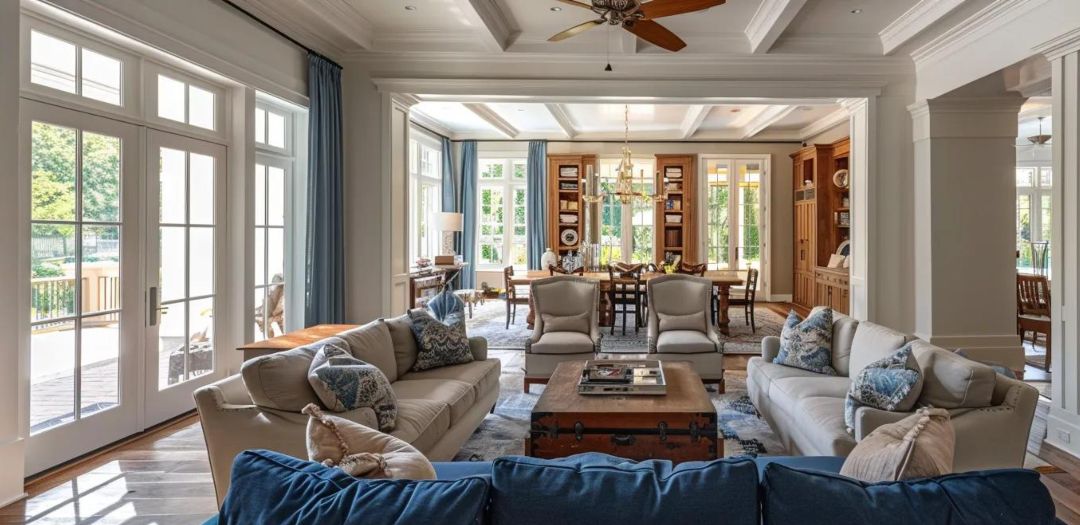
Remodeling the interior of a historic home: what’s allowed depends on local historic rules, the home’s designation, and whether changes affect protected features. In many cases, you can update kitchens, bathrooms, electrical, plumbing, HVAC, and insulation as long as you don’t remove or alter historically significant elements like original trim, staircases, plasterwork, windows, or fireplaces. Structural changes and visible alterations often require permits and approvals from a historic preservation board. The safest approach is to confirm your home’s status, review local guidelines, and get written approval before starting major interior work.
Understanding Historic Home Rules
What Makes a Home Historic
Not every old home counts as historic. A home becomes historic in three ways:
National Register Listing - The National Park Service keeps a list of over 96,000 historic places across America. Homes usually need to be at least 50 years old and have special importance to make this list.
State Register - Your state may also keep its own list of historic homes. Each state has different rules about what counts.
Local Historic District - Cities and towns can name certain neighborhoods as historic. These local rules are often the strictest and focus most on keeping homes looking right.
Where your home fits on these lists changes what you can and can't do. Homes with only federal listing have the most freedom. Homes in local historic districts face the most rules.
Interior vs. Exterior Rules
Here's a simple truth: What you do on the outside matters more than what you do on the inside.
Local historic commissions watch the outside of your home closely. They want to keep the neighborhood looking historic. Paint colors, windows, doors, roofing, and siding all need approval before you change them.
Inside your home, you have much more freedom. Most historic rules let you update kitchens, bathrooms, and other rooms without asking permission first. The focus stays on keeping special architectural features that make your home unique.
Think of it this way: The outside is for everyone to see and enjoy. The inside is your space to live your life.
The Secretary of Interior's Standards
Standards guide all historic work in America. These 10 standards help you make good choices when updating your home.
Key rules include: use your home for its original purpose when possible, keep the historic character, don't create a false history by adding features from other buildings, keep changes that happened over time if they're also historic, and preserve special features and craftsmanship.
These standards sound strict, but they're actually flexible. They help you balance old charm with new needs.
What Interior Changes Are Usually Allowed
Kitchen Remodeling
Kitchens from 100 years ago don't work for today's cooking. Small spaces, few outlets, and no room for modern appliances make old kitchens hard to use.
You can usually update your kitchen without special approval. New cabinets, counters, appliances, and lighting are fine as long as you don't change the outside of your home.
Allowed Kitchen Updates: New cabinets and countertops, modern appliances and fixtures, updated electrical and plumbing, better lighting, new flooring (if not historic), and paint and wall treatments.
Things to Watch For: Keep original windows in place, don't remove load-bearing walls without checking first, preserve special features like built-in hutches or original tile, and match new work to the home's style and period.
Many homeowners choose materials that feel period-appropriate even if they're new. White subway tiles, wood cabinets, and classic fixtures fit well in most historic homes. If you're planning a luxury kitchen remodel, work with contractors who understand historic homes.
Bathroom Renovations
Old bathrooms are even trickier than kitchens. Many historic homes only had one bathroom—or none at all. Families added bathrooms later, often in odd spots.
You can update or add bathrooms in most historic homes. Interior bathroom work rarely needs commission approval.
Common Bathroom Updates: New fixtures and plumbing, updated electrical and lighting, tile and flooring replacement, modern vanities and storage, better ventilation, and walk-in showers or tubs.
Historic Bathroom Tips: Keep original tile if it's in good shape, look for clawfoot tubs or pedestal sinks that match the period, choose fixtures with a vintage look, don't alter windows or exterior walls, and consider keeping original built-ins.
If you want a spa bathroom remodel that still feels historic, mix modern comfort with period style. White fixtures, subway tile, and classic hardware bridge old and new beautifully.
Floor Plan Changes
Open floor plans are popular today. Many old homes have small, closed-off rooms that feel cramped and dark.
Removing interior walls is often allowed in historic homes, but you need to be smart about it.
When Wall Removal Works: The walls aren't load-bearing (always check with an engineer), the rooms don't have special historic features, the change makes sense for the home's layout, and you keep the home's basic structure.
When to Keep Walls: They support the house structure, they have original moldings, paneling, or features, the room layout is important to the home's history, or removing them changes how the outside looks.
Many homeowners create a middle ground. They add large doorways with pocket doors or glass panels. This keeps some separation while opening up space. For major changes, consider working with experts in structural remodeling and floor plan reconfiguration.
Mechanical System Updates
Your historic home needs modern systems to be comfortable and safe. Updating heating, cooling, electrical, and plumbing is almost always allowed—and often required by code.
Heating and Cooling: Install modern HVAC systems with hidden ductwork when possible, and use mini-split systems if ductwork won't fit.
Electrical Updates: Rewire the home to meet current code, and hide wiring behind walls instead of using surface conduit.
Modern systems make your home safer and more comfortable. Just hide the mechanical parts so they don't change the home's look.
What Interior Changes Need Approval
Changes to Character-Defining Features
Some interior features make your home special. These "character-defining" elements usually need protection—even inside.
Protected Interior Features: Original staircases with hand-carved rails, decorative plaster ceilings, historic fireplaces and mantels, wood paneling and wainscoting, built-in bookcases or cabinets, original hardwood floors, stained glass windows, crown molding and trim work, and door and window hardware.
Before you change or remove these features, check with your local historic commission. They may say no, or they may require you to save the parts for future restoration.
Structural Alterations
Big changes to your home's structure often need approval, even if they're inside.
Structural work that needs review: Removing load-bearing walls, cutting floor openings for stairs, adding or removing interior levels, changing room layouts in main spaces, and altering the roofline from inside.
Hire a structural engineer to assess your plans. They'll make sure changes are safe and won't damage the historic building. Share their report with the historic commission if required.
Work in Primary Spaces
Historic homes have "primary" and "secondary" spaces. Primary spaces are the ones people see and use most—like the main living room, formal dining room, and entry hall.
Changes in primary spaces get more scrutiny than work in secondary areas. Keep original features in primary rooms whenever possible. Save major changes for back rooms, bedrooms, and service areas where you have more freedom.
When Local Rules Apply
If your home sits in a local historic district, your city may have stricter rules. Some cities review interior changes that affect:
- The home's historic floor plan
- Original decorative features
- Windows visible from the street
- Structural changes of any kind
Check with your city's historic preservation office before starting work. Local rules vary a lot from place to place. What's fine in one city might need approval in another.
The Approval Process for Interior Changes
Do You Need a Permit?
Most interior remodeling needs a building permit historic or not. Building permits make sure your work meets safety codes. But historic homes might need extra approvals: a building permit (required for electrical, plumbing, and structural work) and a Certificate of Appropriateness (may be needed for changes in local historic districts).
Start by calling your city's building department. Ask what permits you need. Then contact your local historic preservation office to learn about their process.
Working With Historic Commissions
Historic preservation commissions protect your neighborhood's character. They're made up of local residents, architects, and historians who care about old buildings.
The typical approval process:
Step 1: Research - Learn your home's history and what makes it special
Step 2: Application - Submit plans showing what you want to do
Step 3: Review - Staff review your plans and may visit your home
Step 4: Hearing - Present your plans at a public meeting (for major changes)
Step 5: Decision - The commission approves, denies, or asks for changes
Step 6: Work - Start your project after getting approval
This process can take weeks or months. Plan ahead and be patient. Bring photos, drawings, and material samples to show exactly what you're planning.
Tips for Getting Approval
Be respectful - Show you understand your home's importance and want to protect it.
Do your homework - Research similar approved projects in your area.
Hire experienced contractors - Work with builders who know historic homes. Historic home restoration and modernization experts understand the rules.
Show reversibility - Explain how changes could be undone in the future if needed.
Use appropriate materials - Choose materials that match your home's period and style.
Explain your needs - Help commissioners understand why changes are necessary for modern living.
Most commissions want to help you. They know families need functional homes. Be honest about your needs and open to compromise.
Preserving Important Features While Modernizing
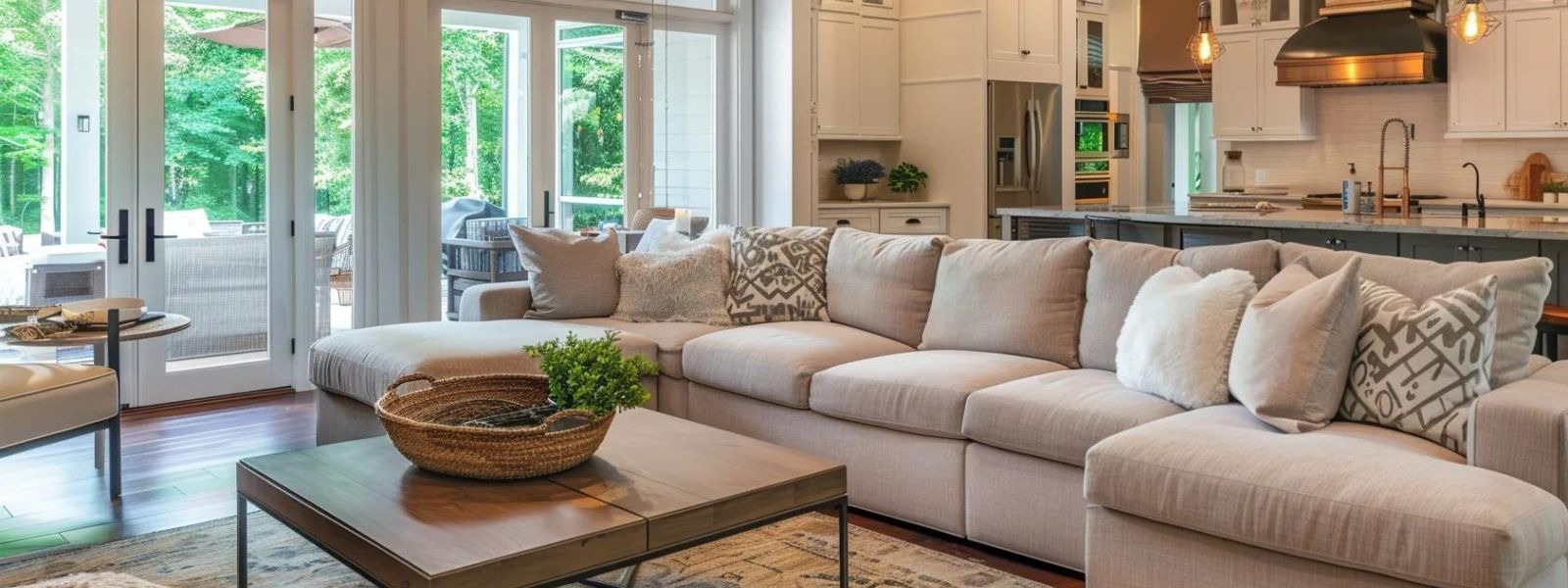
Protecting Original Details
The best historic home updates keep old charm while adding new comfort. Here's how to protect what matters:
Hardwood Floors - Sand and refinish original wood floors instead of replacing them. If they're beyond repair in some areas, patch with matching wood.
Moldings and Trim - Keep all original crown molding, baseboards, and door casings. If damaged, have a carpenter repair or replicate them.
Doors and Hardware - Preserve old doors, knobs, hinges, and locks. Strip old paint instead of replacing. Original hardware adds authenticity.
Windows - Repair historic windows instead of replacing them. Old wood windows can be made energy-efficient with storm windows and weather stripping.
Plaster Walls - Fix cracked plaster instead of covering it with drywall. Plaster walls are thicker and more solid than modern walls.
Built-Ins - Never remove original built-in features like bookcases, china cabinets, or window seats. Work your design around them.
Hiding Modern Necessities
Modern homes need things that didn't exist 100 years ago. The trick is making new things invisible.
Invisible Modern Updates:
- Run wiring and pipes inside walls instead of on the surface
- Install HVAC vents in closets or less visible spots
- Use wireless technology to avoid drilling holes
- Hide thermostats behind furniture or in hallways
- Put modern light switches near original locations
- Install kitchen appliances as built-ins with panels that match cabinets
Your goal is simple: Let someone walk through your home and see history, not modern mechanicals.
When Reproduction Is Okay
Sometimes original features are too damaged to save. In those cases, making accurate reproductions is fine—even encouraged.
Skilled craftspeople can recreate:
- Carved wood trim and moldings
- Plaster ceiling medallions
- Decorative brackets and corbels
- Door and window casings
- Fireplace surrounds
- Floor patterns
Save pieces of the original to use as templates. Take detailed photos before removing anything. This documentation helps craftspeople make perfect matches.
Common Interior Remodeling Projects
Adding Modern Bathrooms
Many historic homes need more bathrooms. Adding one is usually allowed if you're smart about location.
Best Places for New Bathrooms: Former closets or storage rooms, unused back bedrooms, spaces above existing plumbing, and areas not visible from the street.
Design Tips: Use period-appropriate fixtures, install white porcelain and simple shapes, choose hexagon floor tiles for a vintage look, and add subway tile on walls.
New bathrooms should feel like they've always been there. Avoid ultra-modern designs that clash with the home's age.
Creating Open Living Spaces
Today's families want open spaces for gathering. You can often open up back areas of your home without causing problems.
Strategies That Work: Remove non-bearing walls between kitchen and dining areas, or create wide doorways instead of fully open plans.
Keep main rooms defined. The formal living room and entry should stay separate. Open up back-of-house areas where families actually live.
Updating Lighting
Old homes are dark. Most were built before electric lights existed. Adding better lighting is one of the easiest and best updates.
Lighting Solutions: Install period-style light fixtures in main rooms, and add recessed lights in closets and utility spaces (not main rooms).
Avoid modern-looking fixtures in historic homes. Choose lights that match your home's period, even if they're new reproductions.
Improving Storage
Old homes have terrible storage by today's standards. People owned less stuff 100 years ago.
Storage Solutions That Won't Harm History: Build closets in unused corners or under stairs, and add built-ins that match existing woodwork.
Never remove original closets or built-ins to make room for modern storage. Find new places instead.
Improving Accessibility
Making historic homes work for people with mobility challenges requires creativity.
Accessible Updates: Install ramps at side or back doors (keep front entry original), and widen doorways in less visible areas.
The National Park Service offers detailed guidance on making historic homes accessible. Many solutions exist that don't harm historic features.
Financial Help for Historic Home Projects
Federal Tax Credits
The Federal Historic Rehabilitation Tax Credit gives you back 20% of what you spend fixing up your historic home if it produces income.
This credit works for:
- Rental properties
- Bed and breakfasts
- Home offices
- Mixed-use buildings
Unfortunately, it doesn't work for regular homes where you just live. But if you run a business from your historic home, you might qualify.
Requirements: Your building must be listed on the National Register or in a registered historic district, and you must spend more than the building's value (not including land) or $5,000 whichever is less.
Projects that qualify can save tens of thousands of dollars in taxes.
State Tax Credits
Thirty-five states offer their own tax credits for historic homes. Some states give credits even for homes you live in, not just income properties.
State programs vary widely. Some offer 20-30% credits on rehabilitation costs and credits up to $50,000 per year.
Check with your State Historic Preservation Office to learn what's available where you live.
Grants and Low-Interest Loans
Various organizations offer grants and special loans for historic home projects through federal, state, local, and private programs.
These programs often have specific requirements. Some only fund certain types of work, like fixing roofs or restoring exteriors. Apply early—many programs have limited funds that run out quickly.
Property Tax Benefits
Many cities offer property tax breaks for historic homes. Benefits might include frozen assessments during rehabilitation and reduced tax rates for preserved properties.
These benefits can save thousands of dollars each year. Contact your city assessor's office to learn what's available.
Working With the Right Professionals
Finding Historic Home Contractors
Not all contractors understand historic homes. You need builders who have experience with old construction methods and know how to work with historic commissions.
Ask to see examples of past historic projects. Talk to other historic homeowners in your area for recommendations. Home renovation projects in historic homes require special expertise.
Historic Architects and Designers
For major projects, hire an architect who specializes in historic homes. They understand how to design within preservation guidelines and what changes will get approved.
Historic architects cost more upfront but save money and headaches later. They help avoid costly mistakes and design rejections.
Preservation Consultants
For complicated projects, a preservation consultant can help. These specialists research your home's history and guide you through the approval process.
Consultants are especially helpful if you're doing major work or applying for tax credits.
Specialty Craftspeople
Historic home projects often need skilled trades like plaster restoration specialists and wood window repair experts.
These craftspeople aren't cheap, but they're worth it. Their work maintains your home's value and authenticity.
Common Mistakes to Avoid
Over-Modernizing
The biggest mistake is making your historic home too modern. You lose what makes it special. Signs you've gone too far: the home looks like it could be anywhere and original features are gone.
Keep enough old details that the home still tells its story. Modern updates should blend in, not stand out.
Neglecting the Basics
Don't jump into fancy renovations before fixing real problems. Fix foundation issues and roof leaks first.
A beautiful new kitchen means nothing if your foundation is sinking or your roof is leaking. Handle the boring but important stuff first.
Ignoring Building Codes
Historic homes get some flexibility with codes, but not total freedom. Your work must still be safe with proper electrical capacity and adequate plumbing venting.
Historic status doesn't exempt you from safety. Work with your building department to find solutions that work.
Removing Original Features
Once original features are gone, they're gone forever. You can't undo that mistake. Never remove original floors (even if damaged) or historic trim and moldings without great reason.
If something seems in the way, find a creative solution. Don't destroy history for convenience.
Doing It All at Once
Historic home renovation takes time and patience. Rushing causes mistakes. Year 1: Fix serious problems roof, foundation, systems. Year 2: Update one room completely.
Living with your home helps you understand it. You'll make better decisions if you're not in a hurry.
Making Your Historic Home Work for Modern Life
Balancing Preservation and Practicality
Your home needs to work for your family. Don't sacrifice livability trying to create a museum. Keep important public spaces historically accurate and allow more freedom in private spaces like bedrooms.
Your home should feel historic but live comfortably. That's the goal.
Long-Term Maintenance
Historic homes need regular care to stay healthy. Monthly: Check for leaks and inspect foundations. Yearly: Service HVAC and check roof.
Regular small fixes prevent big expensive problems. Make friends with your home's quirks.
Increasing Your Home's Value
Good historic home renovations increase value. Bad ones decrease it. Value-adding improvements include restored original features and updated systems hidden from view. Value-reducing changes include removed original features and lost historic character.
Think about future buyers. Even if you plan to stay forever, maintain your home's historic value. For comprehensive improvements, consider working with professionals who offer full home remodels with historic sensitivity.
Regional Considerations for South Florida
Historic Homes in Coral Gables and Miami
South Florida has unique historic homes reflecting Spanish, Mediterranean, and Art Deco styles. Cities like Coral Gables have strong preservation rules. Local architectural styles include Mediterranean Revival (1920s-1940s) and Spanish Colonial Revival.
Each style has specific features worth preserving: tile roofs, stucco walls, arched doorways, decorative ironwork, and tropical details.
Climate Considerations
Florida's climate creates special challenges for historic homes. Moisture Control: Historic homes need better moisture barriers and ventilation to handle humidity. Hurricane Protection: Modern storm shutters can protect historic windows.
Working With Local Commissions
Miami-area cities take historic preservation seriously. Coral Gables, Miami Beach, and other municipalities have active preservation boards. Before starting work, contact your city's preservation office and review local design guidelines.
Local boards appreciate homeowners who respect their property's history while making necessary improvements.
Final Thoughts
Remodeling a historic home's interior is possible and rewarding. You can create a comfortable modern home while honoring the past. The key is understanding what changes are allowed, working within the rules, and respecting what makes your home special.
Most interior updates like kitchens, bathrooms, and systems—get approved easily. Big changes that affect character-defining features or structure need more review. Local historic districts have stricter rules than homes with just federal listing.
Start by learning your home's history and what makes it significant. Work with contractors who understand old buildings. Plan carefully and get proper approvals before starting work. Focus on preservation in main spaces and allow more change in back areas.
Your historic home tells a story. With thoughtful renovation, you can add your chapter while preserving earlier ones. The result is a home that works for modern life but keeps its soul and character.
Ready to start your historic home remodel? Contact us to discuss how we can help you update your home while respecting its history. Whether you're planning interior space transformations or want to explore other options, our team understands the special needs of historic properties.

Previous post

