
.png)


.png)

.png)


Blog
How to Prioritize Renovation Projects When Budget Is Tight
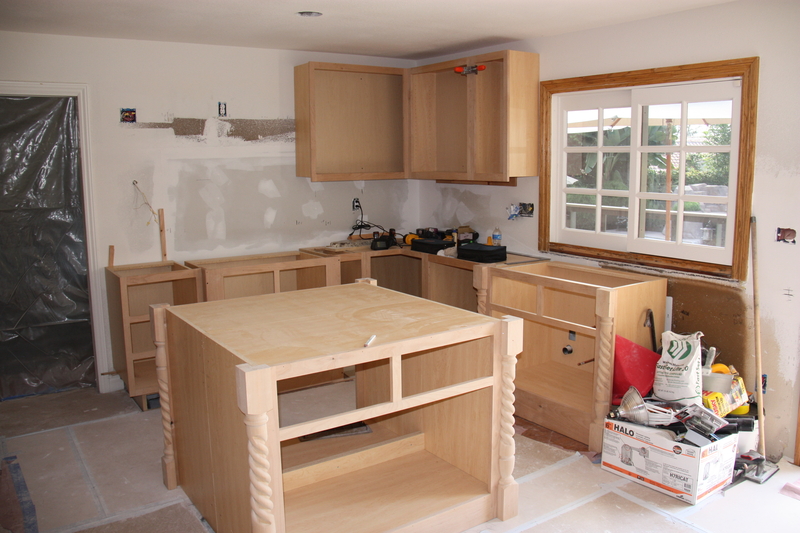
You prioritize renovation projects when budget is tight by fixing structural and safety issues first, then focusing on the rooms and upgrades that deliver the highest return on investment and the biggest improvement to daily life. Roof leaks, foundation cracks, outdated electrical systems, and failing plumbing always come before new countertops or fresh paint. Once the bones of the house are solid, kitchens, bathrooms, and curb appeal upgrades give you the most value per dollar spent.
In this article, we walk through a clear priority framework for renovation projects at every budget level. We cover what to tackle first, what can wait, which projects deliver the strongest ROI, and how to stretch a tight budget without cutting corners on the things that matter most.
How to Prioritize Renovation Projects Step by Step
Prioritizing renovation projects starts with separating needs from wants. Every home has a mix of urgent repairs, functional upgrades, and cosmetic improvements. The mistake most homeowners make is jumping straight to the cosmetic work because it is the most visible and exciting. But a beautiful new kitchen installed over a leaking subfloor or outdated wiring is a recipe for expensive problems down the road.
According to the Harvard Joint Center for Housing Studies, Americans are projected to spend $524 billion on home renovations by early 2026. The 2025 U.S. Houzz and Home Study found that the median homeowner spent $20,000 on renovations in 2024, and 39% of homeowners exceeded their renovation budget. With those kinds of numbers, having a clear priority list is not optional. It is the difference between a renovation that adds value and one that drains your savings with little to show for it.
Here is the order that works for every budget, from $10,000 to $200,000.
Priority 1: Structural and Safety Issues
Structural and safety issues are always the first priority, no matter how tight the budget. This includes roof damage, foundation problems, water intrusion, mold, failing electrical panels, and deteriorating plumbing. These are the problems that get worse over time and can damage everything around them if left unaddressed. A leaking roof will ruin new drywall, insulation, and flooring. A cracked foundation can shift walls and crack tile. Outdated wiring is a fire hazard.
According to the National Association of the Remodeling Industry (NARI), a well-structured renovation plan always starts with addressing foundational and structural concerns before moving to cosmetic changes. This is not glamorous work, but it protects every dollar you spend on everything that follows. If your renovation projects include both structural repairs and cosmetic upgrades, always finish the structural work before opening up walls for finishes.
Priority 2: Systems and Mechanicals
After the structure is solid, the next priority is your home's mechanical systems: electrical, plumbing, and HVAC. These systems are hidden behind walls and under floors, which means they need to be updated before any finish work begins. Installing new cabinets before upgrading the plumbing behind them means tearing out those cabinets later. Painting walls before running new electrical lines means repainting them.
According to the 2025 U.S. Houzz and Home Study, 9 in 10 renovating homeowners hired professionals for their projects, and specialty service providers were the most frequently hired type of pro. Electrical and plumbing work almost always requires licensed professionals and permits. Getting these systems right at this stage saves significant money and time later.
Priority 3: High-Impact, High-ROI Rooms
Once the structure and systems are sound, the next priority is the rooms that get the most daily use and deliver the strongest return on investment. Kitchens and bathrooms consistently rank as the most impactful renovation projects for both livability and resale value. According to the Zonda 2025 Cost vs. Value Report, a minor kitchen remodel returned over 96% of its cost at resale, while a mid-range bathroom remodel returned approximately 80%.
For a tight budget, focus on surface-level updates in these rooms rather than full gut renovations. Replacing cabinet hardware, updating light fixtures, installing a new faucet, and repainting cabinets can transform a kitchen for a fraction of the cost of a full remodel. The same logic applies to bathrooms: a new vanity, updated mirror, and modern fixtures create a major visual upgrade without moving any plumbing. Knowing which kitchen upgrades deliver the strongest return helps you spend wisely.
Priority 4: Exterior and Curb Appeal
Exterior upgrades come next because they protect the home from the elements and create the first impression for visitors and potential buyers. According to Zonda's 2025 Cost vs. Value Report, exterior projects consistently deliver the highest ROI of any renovation category. Garage door replacement returned 268% of its cost. Steel entry door replacement returned over 100%. Manufactured stone veneer returned 208%.
Even on a tight budget, small exterior improvements make a big difference. A fresh coat of exterior paint ($1,800 to $4,400 according to Angi), updated house numbers, new outdoor lighting, and basic landscaping can dramatically improve how a home presents itself. These are high-impact, low-cost changes that punch well above their price tag when grouped into a broader set of home renovation priorities.
Priority 5: Cosmetic and Lifestyle Upgrades
Cosmetic and lifestyle upgrades come last because they are the easiest to defer and the least likely to cause further damage if postponed. This category includes interior painting, new flooring, updated trim and molding, closet organization systems, and decor-driven improvements. These projects make a home feel finished and polished, but they should only happen after the structural, mechanical, and high-ROI work is complete.
Interior paint is one of the most affordable and effective cosmetic upgrades available. A fresh, neutral paint job throughout the house makes every room feel cleaner and more modern. New flooring in high-traffic areas is another strong investment that improves both appearance and functionality. These are the kinds of finishing touches that bring a renovation together after the heavy work is done.
How to Renovate a House on a Tight Budget
You renovate a house on a tight budget by focusing on the projects that deliver the biggest visual and functional impact for the lowest cost, doing the most critical work first, and deferring anything that can safely wait. According to the 2025 U.S. Houzz and Home Study, 84% of renovating homeowners funded their projects through savings. The median planned renovation spend for 2026 is $15,000, down from $20,000 in 2024, which shows that homeowners are tightening budgets while still investing in their homes.
The key to a tight-budget renovation is knowing where every dollar goes before work begins. Get detailed, itemized quotes from at least three contractors. Separate your project into must-do items and nice-to-have items. Complete the must-do list first and add nice-to-have items only if the budget allows. Building a detailed plan and sticking to it is the single most effective way to control costs. We walk through this process in detail in budgeting for a remodel.
Choosing mid-range materials over premium options can save 20% to 40% without a noticeable difference in quality. Keeping the existing layout of kitchens and bathrooms avoids the $3,000 to $10,000 cost of relocating plumbing and electrical. Scheduling work during a contractor's slower months, typically November through February, often leads to better pricing. Bundling multiple projects into a single contract can save 5% to 15% on labor because crews are already on site.
What Devalues a House the Most?
The things that devalue a house the most are deferred maintenance, structural damage, outdated electrical and plumbing systems, poor curb appeal, and unpermitted work. A roof with visible damage, a foundation with cracks, or an HVAC system past its lifespan all signal to buyers that the home has been neglected. These issues lower both the appraised value and the perceived value of the property.
Over-personalized renovations also hurt value. Bold paint colors, highly specific tile patterns, or custom features that appeal to one person's taste but not to the general market can make a home harder to sell. According to the Zonda 2025 Cost vs. Value Report, upscale luxury remodels consistently recover a lower percentage of their cost than mid-range projects. That is because mid-range updates appeal to the widest range of buyers.
The simplest way to protect your home's value is to stay on top of maintenance and address structural issues before they spread. A well-maintained home with neutral finishes and solid systems will always hold its value better than a flashy home with hidden problems. If you are concerned about which repairs to prioritize, knowing the most expensive parts of a renovation helps you plan ahead.
How Far Will $100K Go in Remodeling?
$100K will go far enough in remodeling to cover a mid-range kitchen renovation, a bathroom remodel, exterior painting, and several smaller upgrades throughout the home. According to the 2025 U.S. Houzz and Home Study, the median renovation spend was $20,000 in 2024, meaning $100,000 is five times the typical project. With careful planning, it is enough for a significant transformation.
Here is a rough breakdown of how $100K might be allocated across a full home remodel.
ProjectEstimated CostROI at ResaleMid-Range Kitchen Remodel$25,000 - $45,00075% - 96%Mid-Range Bathroom Remodel$15,000 - $25,00065% - 80%Exterior Paint + Entry Door$4,000 - $8,00080% - 100%+New Flooring (1,000 sq ft)$6,000 - $12,00070% - 80%Interior Paint (Whole Home)$3,000 - $6,00050% - 100%+Contingency (10-15%)$10,000 - $15,000N/A
Sources: Zonda 2025 Cost vs. Value Report, 2025 U.S. Houzz and Home Study, Angi 2026 cost data, HomeGuide 2026
The contingency fund is not optional. According to the 2024 U.S. Houzz and Home Study, nearly 4 in 10 homeowners went over budget. Hidden damage behind walls, unexpected plumbing issues, and material delays all add costs. Setting aside 10% to 15% of your total budget for surprises keeps the project on track without forcing you to cut corners on quality.
What Is the Most Expensive Part of a Bathroom Remodel?
The most expensive part of a bathroom remodel is labor, particularly plumbing work. According to BuiltRight Academy, labor accounts for 40% to 60% of the total bathroom renovation budget. Moving pipes, rerouting drains, and relocating fixtures like toilets and showers eat through a budget faster than any other single line item. Among materials, tile work for the floor and shower surround and the vanity with countertop are the biggest expenses.
According to a 2026 This Old House survey of 1,000 homeowners who recently renovated a bathroom, about 1 in 3 said the cost was more than they expected, often because of plumbing upgrades, water damage discovered during demolition, or structural repairs. Nearly 95% of respondents said they were satisfied with the finished result, which shows the investment pays off in daily quality of life.
The single best way to control bathroom renovation costs is to keep the existing plumbing layout. Every time you move a toilet, shower, or sink to a new location, the plumbing bill jumps by $2,500 to $5,000 or more. A full refresh with a new vanity, updated tile, modern fixtures, and fresh paint can completely transform a bathroom without touching the pipes. If you are dreaming bigger, a spa bathroom design is achievable at a mid-range budget by focusing on smart material choices and keeping the layout intact.
What Is the 30 Percent Rule in Remodeling?
The 30 percent rule in remodeling says you should not spend more than 30% of your home's current market value on renovations. This guideline prevents over-improving a property beyond what the neighborhood can support at resale. If your home is worth $400,000, the rule suggests capping total renovation spending at $120,000.
This rule is especially useful for homeowners on a tight budget because it provides a clear ceiling. It also helps you decide whether a whole-home renovation makes financial sense or whether targeted, room-by-room upgrades are a better strategy. We cover the full details and exceptions in our piece on the 30 percent rule and how it applies to different project types.
Should You Renovate All at Once or in Phases?
You should renovate all at once if your budget allows it and the projects share walls, plumbing, or electrical systems. Bundling connected projects into a single scope of work saves 5% to 15% on labor costs because contractors can coordinate trades more efficiently. It also means you only live through the disruption once.
Phasing makes more sense when the budget is tight and the projects are independent of each other. You can renovate the kitchen this year and the bathroom next year without any overlap in systems or trades. The key is to always do structural and mechanical work first, regardless of whether you are phasing or bundling. According to the Houzz 2026 renovation trends data, median spending on home renovations has held steady while high-end spending continues to rise, indicating that more homeowners are phasing their work to manage costs.
If you choose to phase, create a master plan for the entire home before starting anything. A master plan prevents you from making decisions in one phase that conflict with what you want to do in a later phase. For example, running new electrical to a bathroom during a kitchen remodel because the walls are already open saves the cost of opening them again later.
Which Renovations Add the Most Value to a Home?
The renovations that add the most value to a home are exterior improvements and mid-range interior updates. According to the Zonda 2025 Cost vs. Value Report, the top five projects by ROI were all exterior-focused: garage door replacement (268%), manufactured stone veneer (208%), steel entry door replacement (100.9%), vinyl siding replacement (97%), and fiber cement siding replacement (88.5%).
On the interior side, a minor kitchen remodel returned over 96% of its cost, making it the highest-ROI kitchen project. Mid-range bathroom remodels returned approximately 80% according to the JLC 2025 Cost vs. Value Report. The pattern across every data set is the same: mid-range updates that appeal to a wide audience outperform luxury upgrades in terms of resale value. Knowing which features add value to your home helps you direct limited dollars toward the highest-impact projects.
What Is the Best Time of Year to Start a Renovation?
The best time of year to start a renovation is late fall or winter for interior projects and spring for exterior work. According to a This Old House survey, more than 80% of homeowners who planned renovations in 2025 scheduled their work for spring and summer, which means contractor demand and pricing peak during those months.
Scheduling interior work during the slower months from November through February often results in better contractor availability, faster timelines, and more competitive pricing. Homeowners in South Florida have more flexibility with exterior timelines since mild winters allow year-round work, though the rainy season from June through October can slow outdoor projects.
Knowing what to expect during the renovation timeline helps you plan around seasonal factors and set realistic deadlines for each phase of work.
Frequently Asked Questions
What Home Repairs Should Never Be Ignored?
The home repairs that should never be ignored are roof leaks, foundation cracks, water damage, mold growth, faulty electrical wiring, gas leaks, and plumbing failures. These issues compromise the safety and structural integrity of your home and get more expensive to fix the longer they are left alone. A small roof leak that costs $500 to fix now can cause $10,000 or more in water damage if ignored for a year.
Is It Better to Renovate the Kitchen or Bathroom First?
It is generally better to renovate the kitchen first if you can only choose one, because the kitchen is the most used room in the home and delivers the strongest ROI. According to the Zonda 2025 Cost vs. Value Report, a minor kitchen remodel returned over 96% of its cost. However, if your bathroom has serious plumbing or water damage issues, those safety concerns take priority over any cosmetic kitchen upgrade.
How Do You Create a Renovation Priority List?
You create a renovation priority list by walking through the entire home and noting every issue, then sorting those issues into four categories: safety and structural, systems and mechanicals, high-impact rooms, and cosmetic upgrades. Address each category in that order. Within each category, rank projects by urgency and expected return on investment. This framework works at every budget level.
What Not to Skimp on in a Home Renovation?
The things you should not skimp on in a home renovation are structural work, waterproofing, plumbing, electrical systems, and the quality of your contractor. Cutting corners on hidden systems leads to expensive repairs later. According to BuiltRight Academy, plumbing and waterproofing issues are the most common sources of unexpected cost in bathroom remodels. Investing in quality work behind the walls saves far more than it costs.
Can You Renovate a House for $10,000?
Yes, you can renovate a house for $10,000 if you focus on targeted cosmetic updates rather than structural or full-room overhauls. A $10,000 budget can cover interior painting ($3,000 to $5,000), new light fixtures throughout ($500 to $1,500), updated cabinet hardware ($200 to $500), a new front door ($2,000 to $3,500), and basic landscaping ($1,000 to $3,000). These changes create a noticeable improvement in how the home looks and feels.
What Renovations Are Not Worth the Money?
The renovations that are not worth the money in terms of resale value are swimming pool additions, ultra-luxury kitchen overhauls, highly customized built-ins, and converting a garage into living space. According to Zonda's Cost vs. Value data, upscale projects consistently recover a lower percentage of their cost than mid-range equivalents. Over-personalized upgrades may add value to your daily life but rarely pay back at resale.
How Much Should You Set Aside for Unexpected Costs?
You should set aside 10% to 15% of your total renovation budget for unexpected costs. According to the 2024 U.S. Houzz and Home Study, 39% of homeowners exceeded their renovation budget. Hidden water damage, outdated wiring, and asbestos or lead paint are among the most common surprises. A healthy contingency fund keeps the project moving forward without forcing you to make rushed decisions or sacrifice quality.
The Bottom Line
A tight budget does not mean you cannot make meaningful improvements to your home. It means you need a smarter plan. Fix what is broken first. Upgrade the rooms you use most. Improve curb appeal with affordable, high-impact changes. Save the cosmetic polish for last. This approach protects your investment at every step and gets the most value out of every dollar.
Whether you are planning a targeted update or a phased renovation that unfolds over time, working with a team that understands both design and construction keeps the process on track. We help homeowners throughout the Coral Gables area turn renovation goals into clear, actionable plans. At Cutting Edge Innovative, every project starts with a solid strategy. Call us at (786) 957-7775 to start the conversation.

Previous post

